2026 World Cup ‘pride match’ assigned to two nations where homosexuality Is illegal
Seattle officials announced earlier this year that the June 26 game at Lumen Field would serve as the city’s official Pride Match an idea rooted in the region’s long history of LGBTQ+ advocacy. The designation was largely a local initiative, promoted by organisers as a way to spotlight inclusion during one of the city’s most visible weekends.
But the World Cup draw shifted the tone abruptly. The fixture assigned to that date pairs Egypt and Iran, two countries where same-sex relationships are illegal and where activists face harsh state repression. The contrast could not be sharper, and it has prompted renewed scrutiny of FIFA’s scheduling process.
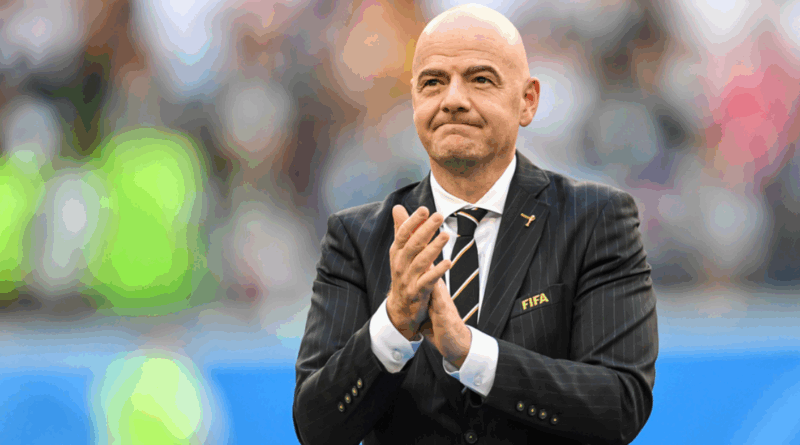
The timing also followed a controversy of its own making. As noted by outlets including the Daily Mail, the draw took place one day after FIFA president Gianni Infantino awarded Donald Trump the organisation’s first “FIFA Peace Prize” a decision widely questioned given Trump’s travel bans, which complicated early World Cup planning. The episode highlighted, once again, FIFA’s difficulty navigating politically charged symbolism.
Human-rights context deepens the stakes
International human-rights organisations have long documented the risks LGBTQ+ people face in both participating nations. Reports from groups such as Human Rights Watch describe the possibility of severe penalties in Iran, including capital punishment under certain legal provisions. In Egypt, arrests targeting LGBTQ+ individuals have been documented repeatedly over the past decade.
Read also: Paolini and Errani’s partnership continues to reshape Italian tennis
Despite those realities, Seattle’s Pride Match Advisory Committee (PMAC) said the event will proceed as planned. In remarks to Outsports, the committee described the fixture as an extension of the state’s commitment to “a welcoming and inclusive environment where everyone belongs.” Members also emphasised football’s capacity to bring together people of “different borders, cultures, and beliefs,” positioning the match as a symbolic counterweight to global divisions.
To place the moment in context, Pride Match designations have become increasingly common across domestic leagues in Europe and North America, but they remain unusual on the world stage particularly when involving nations whose laws directly contradict the event’s theme.
A familiar challenge for FIFA
The upcoming match also recalls FIFA’s posture during the 2022 World Cup in Qatar, when the organisation discouraged rainbow armbands and other LGBTQ+ symbols. Several broadcasters complied, though a few figures among them commentator Alex Scott chose to challenge the restrictions on-air.
As Seattle prepares to host the event, the central question is not how local fans will respond; the city is already known for vocal LGBTQ+ support. Instead, attention is turning to the visiting teams. Analysts say players from Egypt and Iran may be instructed to avoid Pride-related moments entirely. Whether participation in pre-match ceremonies could carry repercussions back home remains uncertain, but the possibility alone has sparked concern among rights advocates.
Read also: Saudi clubs target major La Liga names
The scenario highlights a tension that has shadowed FIFA for years: global tournaments bring together nations with drastically different laws and social norms, yet the organisation continues to present them as unified celebrations of shared values. The Pride Match will test how far that message can stretch.
Sources: Daily Mail, Outsports, Human Rights Watch.
Read also: Alex Yee’s breakthrough marathon signals a new chapter in British distance running