A fall that changed the equation
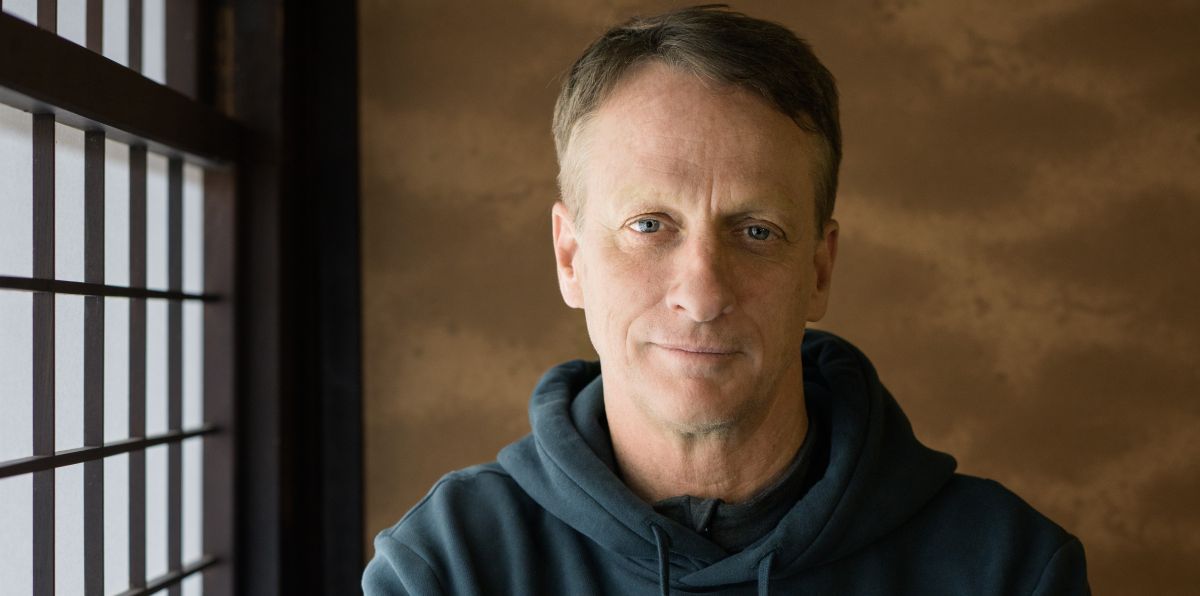
For most of his life, Tony Hawk made risk look controlled. On March 7, 2022, at 53, that calculation changed. According to Frederick Dreier in Outside’s Tony Hawk Was Still Pushing His Limits on the Skateboard. And Then He Crashed., Hawk had already finished a demanding session on the ramp at his Southern California home when friends arrived and he decided to skate again.
He attempted a McTwist, a 540-degree flip that had long been part of his repertoire. This time, his body did not respond as it once had. As described by TMZ in Tony Hawk Says Failed McTwist Led To Broken Leg, Hoping To Walk ‘Unaided’ Again, Hawk later said he had “very little speed and an unsteady grab” before the landing went wrong.
The result was a broken femur. It was not simply another injury in a career full of them. It was the kind of accident that forced Hawk to reconsider not only what he could still do on a skateboard, but what he should still ask of himself.
The timing made the injury feel sharper
The fall came just as the documentary Tony Hawk: Until the Wheels Fall Off was entering public view. The film premiered at SXSW on March 12, 2022, five days after the accident, before its HBO Max release in April. As described by Nick Allen in RogerEbert.com’s Tony Hawk: Until the Wheels Fall Off, the documentary presents Hawk as a skater driven less by winning than by landing the trick in his head.
Read also: Cristiano Ronaldo silences critics with historic World Cup record at 41
The injury complicated that image. Hawk had built a career on progress: more height, more rotation, more invention. The broken femur introduced a limit he could not simply outwork or ignore.
Recovery without shortcuts
At first, Hawk tried to rush the process. In the Outside interview, he said he pushed too hard and later felt the bone shift after skating a small ramp. A second surgery followed. That false start became the lesson.
As quoted by Madison Williams in Sports Illustrated’s Skateboarder Tony Hawk Recovering From Broken Femur Injury, Hawk had warned from the beginning: “A broken leg—with plenty of hardware—will probably be the biggest test of that creed.” The test turned out to be not only pain tolerance, but restraint.
According to Cleveland Clinic’s Femur Fracture, a broken femur usually requires surgery and physical therapy, and full recovery can take up to a year. For Hawk, that meant trading the drama of the vert ramp for the quieter work of strength, balance and controlled movement.
Read also: Ronaldo’s teenage edge was already obvious at Sporting CP Academy
A different kind of discipline
The injury changed how Hawk thought about being an athlete. He began treating off-board training as part of his life, including strength work, stretching and regular exercise. That shift mattered because Hawk had long belonged to a culture that prized instinct, repetition and toughness over formal training.
His goals changed with it. Some tricks were no longer worth chasing. He has spoken about losing a tuck-knee grab, a move that had supported several of his signature tricks, including the McTwist. It was not retirement, but it was a form of letting go.
The harder part may have been accepting that letting go is not the same as defeat. For an athlete whose name became shorthand for possibility, the injury forced a more adult bargain: continue, but continue differently.
Legacy beyond the ramp
Hawk’s influence no longer depends only on whether he can land another historic trick. His name helped carry skateboarding into mainstream culture through competitions, video games and business ventures. But his work away from the ramp has also become central to his public role.
Read also: Deschamps leaves France camp after mother’s death, Guy Stéphan steps in
According to The Skatepark Project’s About Us, the nonprofit founded by Hawk has helped build nearly 700 skateparks across all 50 states, with a mission focused on safe and inclusive public skateparks for underserved communities. That work has become part of a broader legacy: not just doing the impossible himself, but helping others find a place to try.
Back on the board, but on new terms
Hawk did return to skating. The point, however, was no longer to prove that nothing had changed. Everything had. The question became whether he could find meaning in a different version of the sport he helped define.
In recent years, he has spoken more openly about risk, age and the need to slow down. His comeback is not a simple sports story about returning to form. It is a story about a man famous for defying limits learning to respect them.
Tony Hawk’s hardest landing did not end his relationship with skateboarding. It changed the terms. He is still on the board, but the achievement now is less about flying above the ramp and more about knowing when, and how, to come back down.
Read also: England exposed? World Cup dreams rocked by shock Ghana stalemate
Read also: Djed Spence avoid shaking hands with Thomas Partey due to rapist alligations