The diet change that reshaped his career
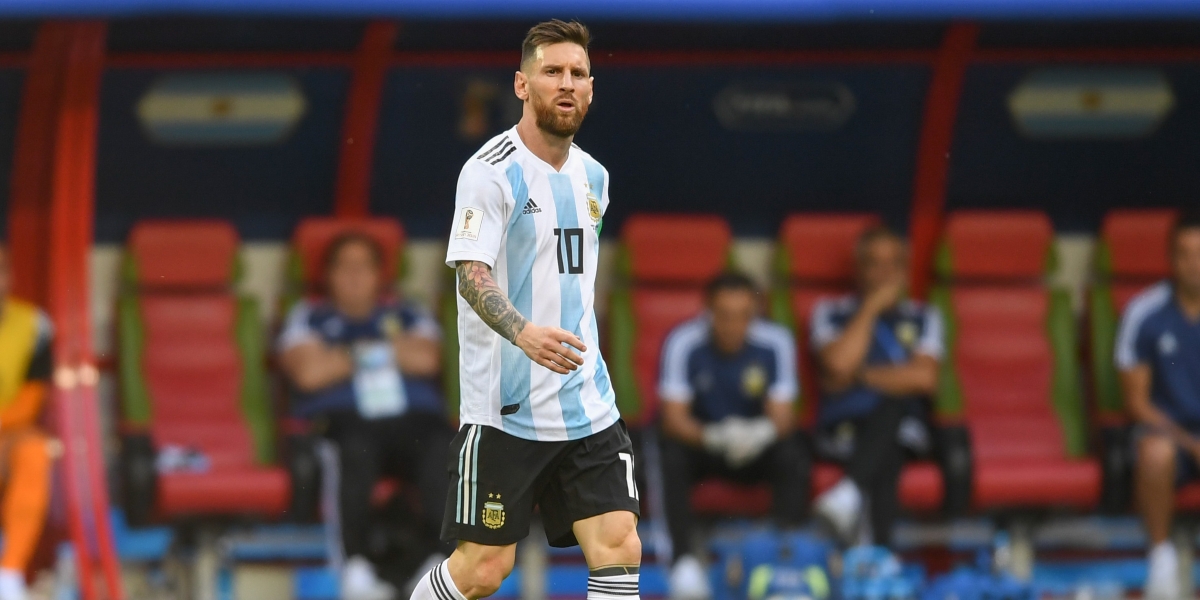
Lionel Messi’s genius has always looked natural, but the work behind it has changed over time. The player who once carried Barcelona, then Paris Saint-Germain and now Inter Miami has had to adapt his body as much as his game.
Messi is now 39, an age at which most forwards have long since slowed down or retired from international football. Yet he remains central to Argentina and continues to perform at the highest level, helped by a routine built around weight control, recovery and explosive movement rather than physical bulk.
According to The Independent’s report on Messi’s work with Italian nutritionist Giuliano Poser, the major shift came in 2014, when Poser began reshaping the forward’s eating habits. Messi reportedly lost around three kilograms after the change, with pizza and heavily processed foods reduced as part of a cleaner plan.
The results arrived quickly. In the 2014-15 season, Messi scored 58 goals as Barcelona won LaLiga, the Copa del Rey and the Champions League. The campaign became one of the defining years of his career and helped him regain the Ballon d’Or after Cristiano Ronaldo’s run of success.
Read also: Gianni Infantino's FIFA salary package revealed amid World Cup presence
Five foods at the centre
Poser’s approach was not built around a complicated menu. He identified five basic pillars for Messi’s diet: water, good-quality olive oil, whole grains, fresh fruit and fresh vegetables. Nuts and seeds were also encouraged.
The philosophy was simple: reduce the foods that slow recovery and increase those that help the body cope with repeated high-intensity effort.
Poser was especially firm on sugar.
“It is the worst thing for the muscles. The farther he stays away from sugars, the better,” he said.
Read also: German fan attacked in Toronto for rainbow flag during World Cup
He also warned against refined flour, saying: “Refined flours are also a big problem as these days, it’s difficult to find uncontaminated wheat.”
Meat was not banned, but moderation was advised. “The amount of meat normally eaten by Argentinians and Uruguyans is too much, as it is difficult to digest,” Poser said.
Simple food, occasional sweets
Messi’s diet is disciplined, but not joyless. He has spoken often about preferring straightforward food rather than elaborate meals.
In a 2019 interview with Marca, Messi described his favourite dishes in simple terms.
Read also: Donald Trump to present 2026 World Cup trophy amid strict FIFA security protocols
“I always said (favourite dish is a) roast, milanesa (breaded meat fillet) or pasta. The type of food that I like is something very simple,” he said.
He also admitted that he still enjoys sweets, even if he tries to limit them.
“A little chocolate, dulce de leche (caramel) or ice cream. I like anything that is sweet. I try not to eat too much of it, but I like it,” Messi said.
That balance is part of what has made his longevity sustainable. The diet is strict enough to protect performance, but not so artificial that it removes the routines and foods he has grown up with.
Read also: Joe Rogan: Trump made one vital mistake at UFC White House event
Training without unnecessary bulk
Messi’s fitness work has followed a similar logic. He has never been a power athlete in the traditional sense. His game depends on balance, short acceleration, core strength and the ability to change direction faster than defenders can react.
As reported by GIVEMESPORT’s article on Messi’s diet and exercise routine, his workouts focus on functional strength rather than heavy muscle gain. Exercises such as pull-ups, core work, medicine-ball movements, resistance work and controlled dumbbell carries are used to support the movements he needs on the pitch.
The aim is not to make Messi bigger. It is to keep him sharp, stable and resilient. A player who has built his career on sudden bursts of speed cannot afford to lose agility in exchange for size.
The routine behind the late career
At this stage of Messi’s career, recovery is as important as training. The older a player gets, the more carefully every session, meal and rest period has to be managed.
Read also: Jurgen Klopp offers a pragmatic take on World Cup hydration breaks
For Messi, that has meant refining rather than reinventing himself. His diet became cleaner. His training became more targeted. His game became more selective, with fewer wasted movements and more focus on moments that decide matches.
That combination helps explain why he has remained relevant for so long. The dribbling, vision and finishing are still the gifts everyone sees. The diet, gym work and recovery habits are the quieter reasons he has been able to keep using them.