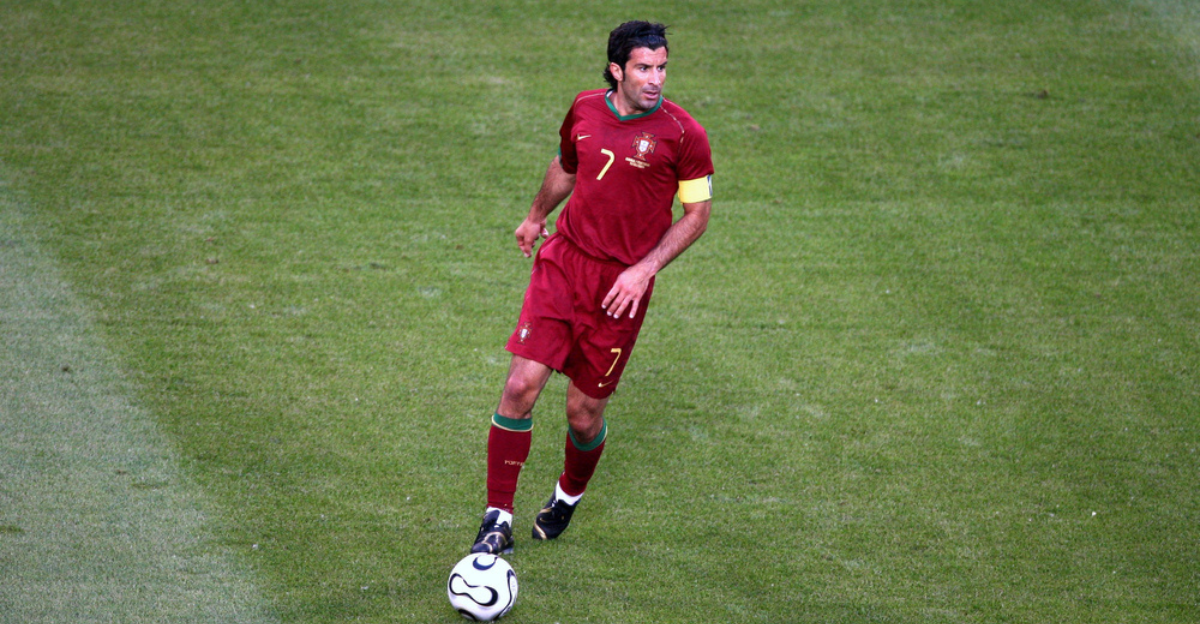
The 2006 FIFA World Cup produced countless memorable moments, but few have become as notorious as Portugal’s Round of 16 meeting with the Netherlands. The fiercely contested encounter has gone down in history as the “Battle of Nuremberg” after descending into one of the most ill-disciplined matches ever seen on football’s biggest stage. As highlighted by GIVEMESPORT, the game set a World Cup record for yellow cards at the time and featured four players being sent off.
Portugal ultimately prevailed 1-0, with Maniche netting the decisive goal in the 23rd minute. However, the scoreline was overshadowed by the relentless stream of fouls and confrontations. Russian referee Valentin Ivanov issued a staggering 16 yellow cards during the contest, a record for a World Cup match that stood until 18 players were booked in Argentina’s quarter-final victory over the Netherlands at the 2022 World Cup. More remarkably, four red cards were brandished, further cementing the game’s brutal reputation.
A match spirals out of control
The first half set the tone for the volatile encounter. Portugal’s Costinha was the first to receive his marching orders after collecting two yellow cards. The Netherlands’ Khalid Boulahrouz was also a central figure in the escalating tension, his initial challenge forcing Portugal’s star forward Cristiano Ronaldo to withdraw through injury. Boulahrouz would later be sent off for a second bookable offence in the 63rd minute.
Amidst the fray, even seasoned veterans lost their composure. Portugal’s captain Luis Figo controversially headbutted Mark van Bommel during a touchline melee. Despite the clear aggression, Figo was only shown a yellow card, a decision that drew significant criticism. The dismissals continued as Portugal’s Deco was sent off after accumulating two yellow cards, and in stoppage time, Giovanni van Bronckhorst of the Netherlands received his red card for an elbow on Figo.
Read also: Ugarte faces long break after World Cup injury
Blatter’s swift condemnation and later regret
The refereeing performance of Valentin Ivanov came under intense scrutiny following the match. Then-FIFA President Sepp Blatter was particularly vocal in his disapproval. “I consider the referee was not at the same level as the participants, the players,” Blatter told Portuguese television channel SIC. “I think there could have been a yellow card for the referee.”
The fallout was swift. Both Ivanov and English referee Graham Poll were removed from the tournament after the Round of 16, with Blatter stating, “FIFA owes it to itself, in its own flagship competition, to send out the best referees.” However, Blatter later expressed remorse for his public criticism. “I would just like to say that I regret what has happened. I regret what I said about his actions in the match between Portugal and the Netherlands,” he later told reporters, as reported by GiveMeSport.
Despite the controversy, Portugal advanced, beating England on penalties in the quarter-finals before losing 1-0 to France in the semi-finals. They ultimately finished fourth after a 3-1 defeat to Germany in the Match for Third Place. The Battle of Nuremberg, however, remains a stark reminder of a World Cup match where discipline, not football, took centre stage.
Read also: Russell enters title fight with an Austrian Grand Prix win
Read also: Harry Kane's future uncertain amid Barcelona interest and Ballon d'Or chase