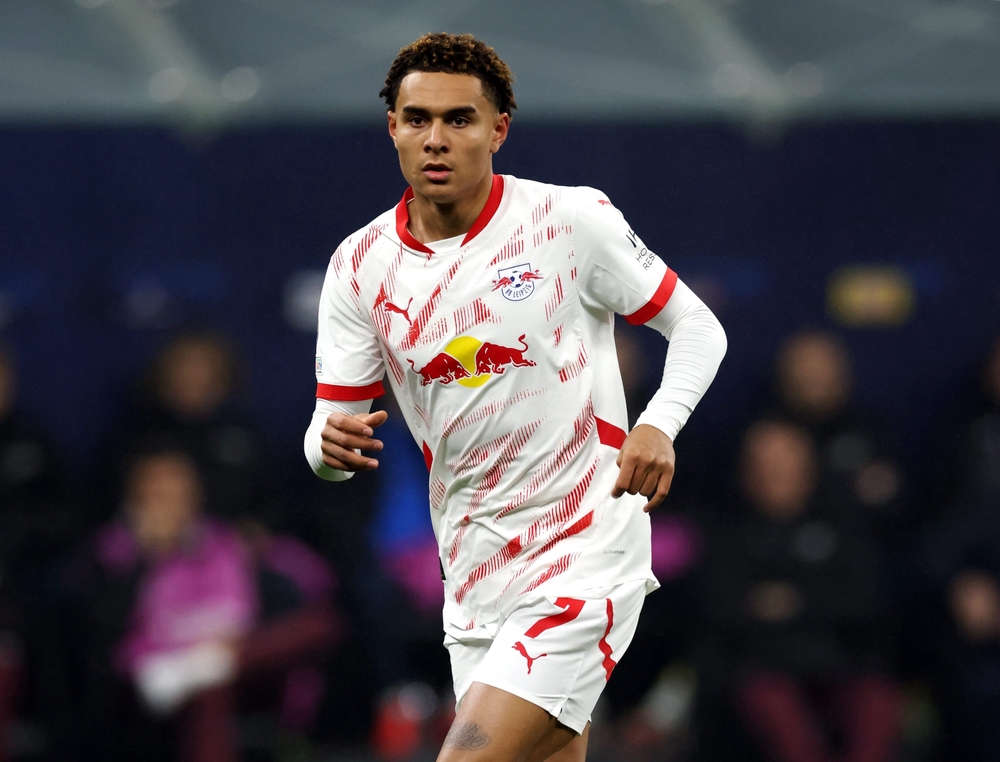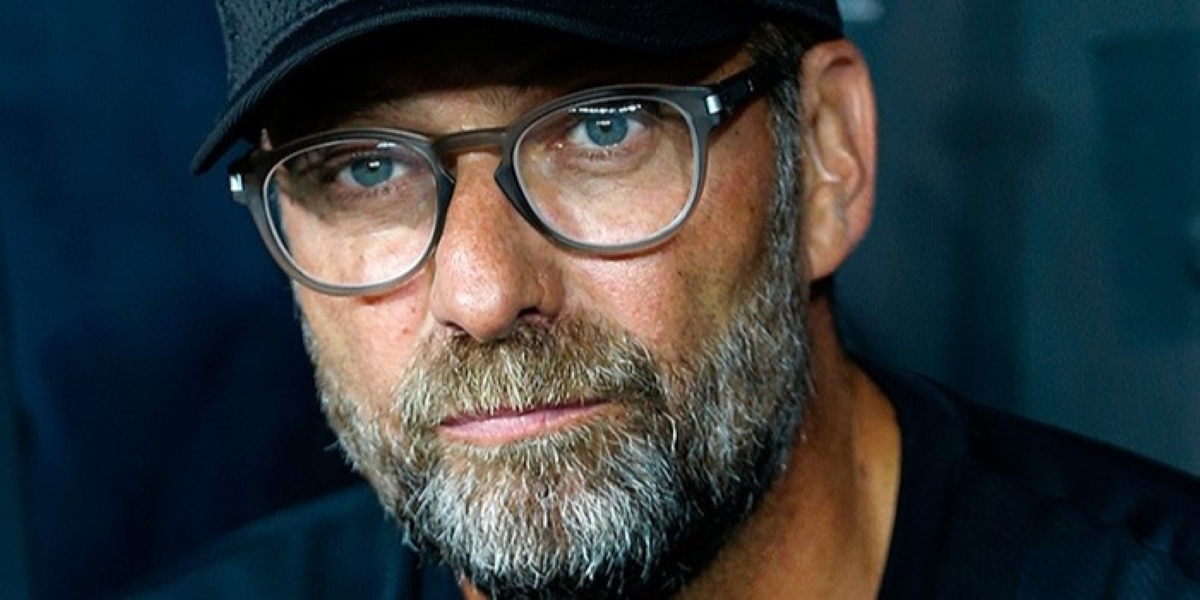
Jürgen Klopp gave the Netherlands two things to worry about from kickoff: Kai Havertz as a long-ball target, and a crowd around the second ball. He told Goal the plan was simple, and that Xavi Hernández’s side had turned up with the same idea.
“We wanted to go long to Kai (Havertz), go for the second balls, and the Dutch had the same plan,” Klopp told Goal.
What tipped the balance was what Germany did around the long ball. With Aleksandar Pavlovic sitting as the pivot, Joshua Kimmich was freed from his nominal right-back slot to push high and create numerical advantages in central areas. The structure shifted into a 3-2-5 whenever Germany settled on the ball.
The mechanism delivered the opener. Just before half-time, Kimmich’s push up the pitch set up Derry Scherhant for his first international goal, a 41st-minute strike that Germany would never surrender.
Read also: From Manchester City glory to Dubai’s second tier: Mario Balotelli’s remarkable journey
Wirtz in the half-space
Rather than consolidating at the break, Klopp intensified the press. Florian Wirtz was stationed in Zone 14, the pocket between the Dutch midfield and defense, forcing the center-backs into reactive and uncomfortable decisions.
He scored twice from that platform, on 60 and 71 minutes. Between those goals, Nico Schlotterbeck finished a set piece in the 65th minute from Brajan Gruda’s delivery.
Germany’s press was selective rather than relentless. The Dutch center-backs were given time on the ball, but any pass out to a winger or an advanced midfielder was the trigger to swarm. Without Frenkie de Jong to carry the ball through traffic, Xavi’s build-up stalled.
“At that point, we caused them problems. And then we did incredible things from those spaces,” Klopp added.
Read also: FIFA faces formal UN complaint as climate failure allegations emerge
Gruda’s late shift central
The fifth goal came from Klopp’s last tweak. Gruda, who had operated wide for most of the match and already registered two assists, shifted into a central role in the final 20 minutes. Against a tired Dutch back line, the two-on-one situations against Micky van de Ven kept opening up, and Gruda scored in the 77th minute to complete the rout.
Klopp’s substitutes reinforced the pattern. Maximilian Mittelstädt and Youssoufa Ebnoutalib arrived around the hour to inject fresh legs, while Xavi’s own changes stripped out defensive stability without finding a route back into the game.
Biggest win over the Netherlands since 1959
The scoreline was historic. It was Germany’s biggest win over the Netherlands since a 7-0 victory in 1959, and the Oranje’s heaviest competitive defeat on record.
Both sides still went through to the Nations League quarter-finals. Germany finished top of Group A2 with the result; the Netherlands advanced in second on goal difference.
Read also: Chelsea handed £70m Alessandro Bastoni transfer opening as Barcelona doubts emerge
Read also: Ferrari warned of ‘massive handicap’ involving Lewis Hamilton and Charles Leclerc