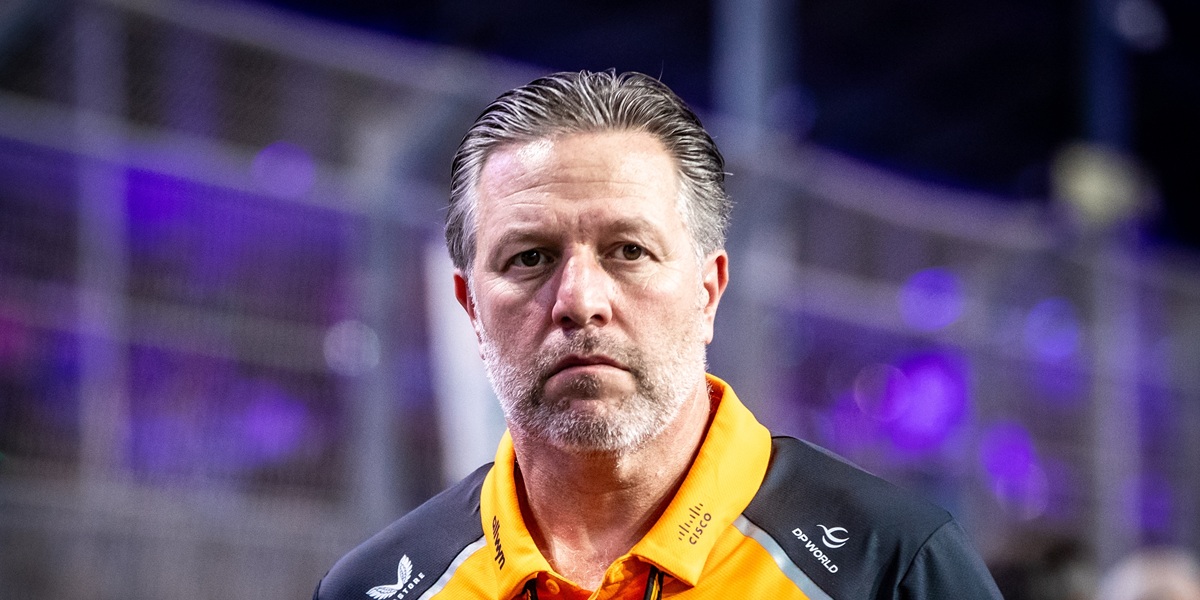
Zak Brown stated plainly on the Sky F1 podcast earlier this month that no engine programme is in planning and that the long-standing Mercedes partnership will simply roll on. McLaren has used Mercedes power units since 2021 and is already contracted into the new rules cycle.
“There’s no plan. You know, it’s something that we look at. We’re very happy with Mercedes HPP; they’ve been a great partner,” Brown told the Sky F1 podcast, as published by RacingNews365 on 18 November.
The confirmation arrives at a pivotal moment for F1’s engine landscape. The FIA on 20 November announced unanimous agreement among teams, manufacturers and Formula One Management on the framework for 2030. The new power unit will be a 2.1-litre turbocharged V8 running on sustainable fuels, with a reduced electric component designed to make the cars lighter and the technology cheaper. Final sign-off still has to come from the FIA World Motor Sport Council, which meets in Shanghai in December.
Mercedes must shed two customers
A separate element of the proposed framework could reshape the customer map. Each manufacturer is set to be capped at two teams total from 2030: their own works entry plus a single customer squad.
Read also: Cam Skattebo sparks ‘Trump curse’ fears after unexpected Ivanka Trump encounter
Mercedes currently supplies three customer teams alongside their own works outfit: McLaren, Williams and Alpine. Williams and Alpine are the likely odd ones out, according to Yahoo Sports, with McLaren positioned as the retained partner after a run of recent title success with Mercedes customer units.
Not following Red Bull or Aston Martin
Building an F1 power unit from scratch is a multi-year undertaking requiring major capital investment. Red Bull have taken that route for 2026 with Red Bull Powertrains in partnership with Ford, while Aston Martin have tied up with works supplier Honda. Brown has consistently argued that titles can be won without a factory engine, pointing to McLaren’s own record with Mercedes customer units.
Lando Norris and Oscar Piastri lead McLaren’s current driver lineup and are set to continue into the new rules cycle. Audi arrive as works entrants under the 2026 regulations, with General Motors’ Cadillac project also joining the field, further populating the 2030 supplier landscape.
The World Motor Sport Council vote on the 2030 framework is set for December 2026 in Shanghai.
Read also: Three refereeing errors that defined Arsenal’s 1-1 UCL draw with Dortmund
Read also: Charles Leclerc faces calls for drastic punishment after Lewis Hamilton clash