The signature line comes from the op-ed itself: “Nvidia didn’t even have to give up any draft picks or pay a fine.”
That is the framing from Sportico this week by John Cairney, dean of the School of Kinesiology at the University of Michigan, and Rick Burton, David Falk Emeritus Professor of Sport Management at Syracuse. Their argument is simple. Jensen Huang’s return is not really a tech story. It is the same template sport has used to usher back its disgraced stars.
11 days from resignation to reunion
The timeline alone fits the pattern. Huang stepped down on November 12 after reporting on two extramarital affairs, including one with a woman later identified as an alleged Chinese intelligence operative and another with an Nvidia subordinate. Chief financial officer Colette Kress stepped in as interim CEO.
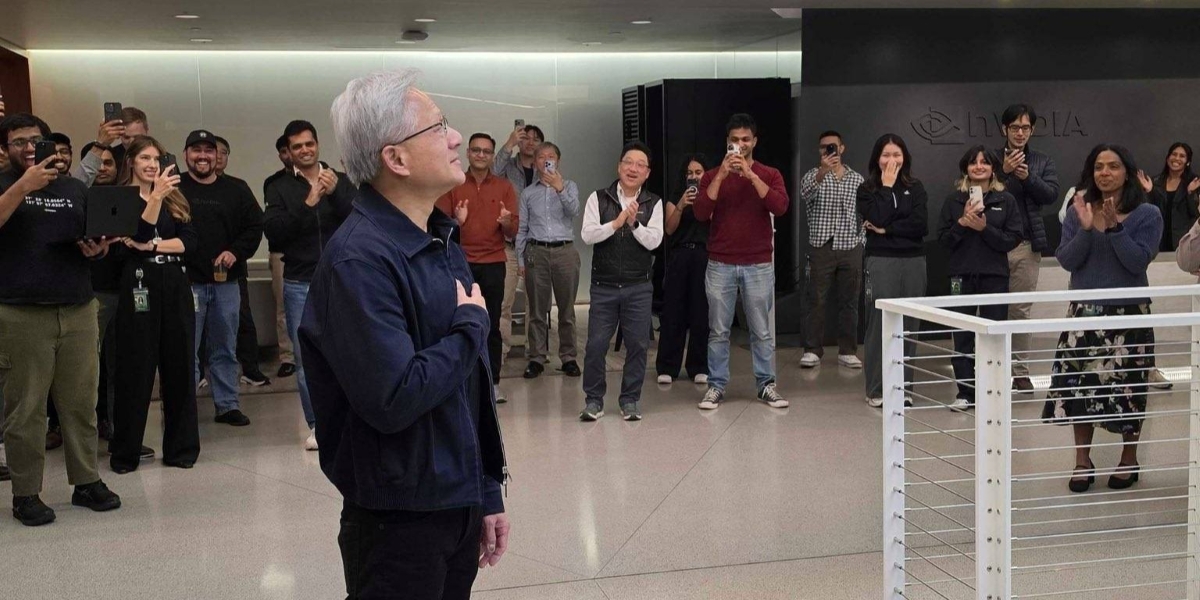
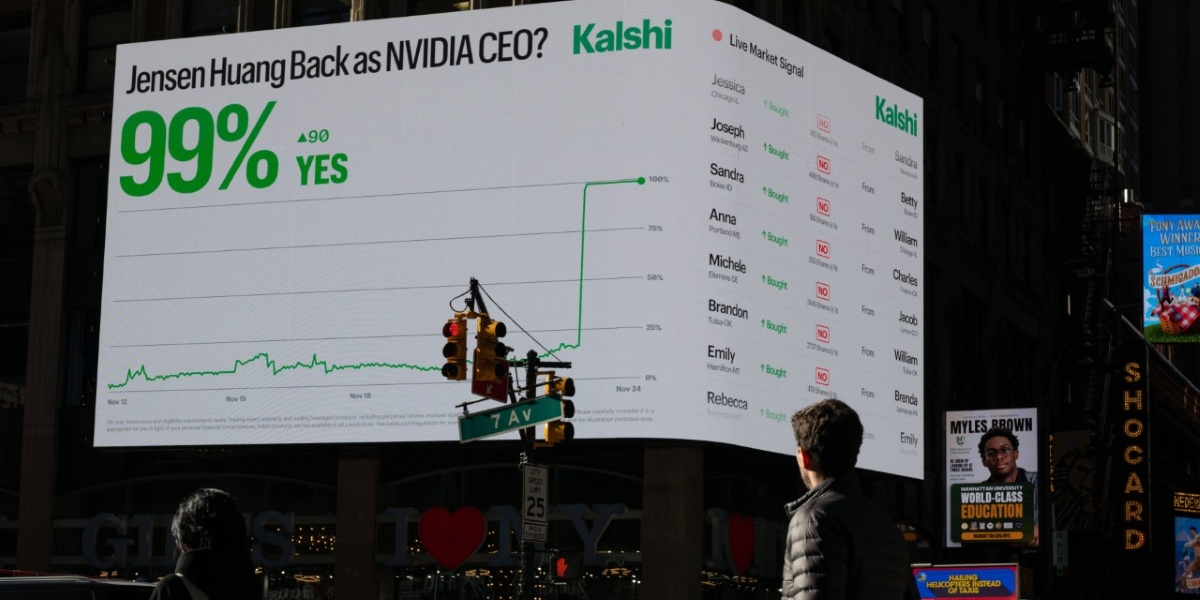
Eleven days later, on November 23, the board voted unanimously to put Huang back in the chair, stating it was “confident that Mr. Huang’s reinstatement poses no national security risk” after receiving input from senior levels of the US government. Chair Harvey C. Jones, who had publicly ruled out a return just days earlier, signed the statement.
Read also: Usman Khawaja breaks silence on Pat Cummins fallout: ‘Never seen that side of him’
Trump dials into the boardroom
The commissioner’s intervention, the piece that completes the sports analogy, came from the president. Donald Trump dialled into Nvidia’s Sunday board meeting to argue in person for Huang’s reinstatement, with Vice President JD Vance running a parallel weekend pressure campaign on individual directors.
“I spoke to them and I convinced them. And it was a lot easier to convince them yesterday than it was a week ago,” he told reporters.
The Pete Rose precedent
For the Sportico authors, the Huang affair rhymes with a more explicit sports reinstatement that carries the same fingerprints. Trump pushed publicly for Pete Rose’s Hall of Fame eligibility to be restored, and in May 2025 MLB commissioner Rob Manfred removed Rose from the permanently ineligible list, clearing the path to Cooperstown consideration in 2028. Trump later issued a posthumous pardon.
The op-ed does not argue that Huang and Rose are morally equivalent. It argues that the mechanism is identical: disgraced figure, brief banishment, presidential intervention, quiet return.
Read also: Twelve days without a CEO exposed how much sports now runs on Nvidia
The public was not asking for it
The public mood complicates the comeback story. PeakMetrics analysed roughly 215,000 social posts from November 7 to 9 and found that among posts taking a clear position on Huang, 84% were unfavorable. Only when the question narrowed to his specific future at Nvidia did 62% back his staying, and that was drawn from a sliver of the overall conversation.
The board voted unanimously anyway.
Read also: WWE star Eugene placed on ventilator as family flies to London