She was playing without protective eyewear when the ball hit her. Hospitalisation followed within hours: blurred vision, severe pain, extreme sensitivity to light. Initial treatment seemed to settle things. Two weeks later the symptoms came back worse.
By three months, her optic nerve was structurally damaged and the glaucoma persisted despite surgery. The diagnosis, reported on 23 November in BMJ Case Reports, was angle-recession glaucoma: blunt force had torn tissue in the drainage angle of the eye, driving pressure up and destroying the optic nerve. Blood had also pooled between her cornea and iris at the point of impact.
She had no diabetes, no high blood pressure, and was not on blood thinners. That absence of risk factors is what makes her case a warning, say the authors at UMass Chan Medical School: a single impact was enough.
60-mph shots at close range
“The unique characteristics of pickleball, including the proximity of players to the net, the high velocity of a struck ball, the speed of play, and the demographic profile of participants, may contribute to distinct injury patterns that warrant specific preventive measures,” the authors wrote in the case report, according to Medical Xpress.
Read also: Florian Wirtz questions Liverpool’s performance after Champions League win
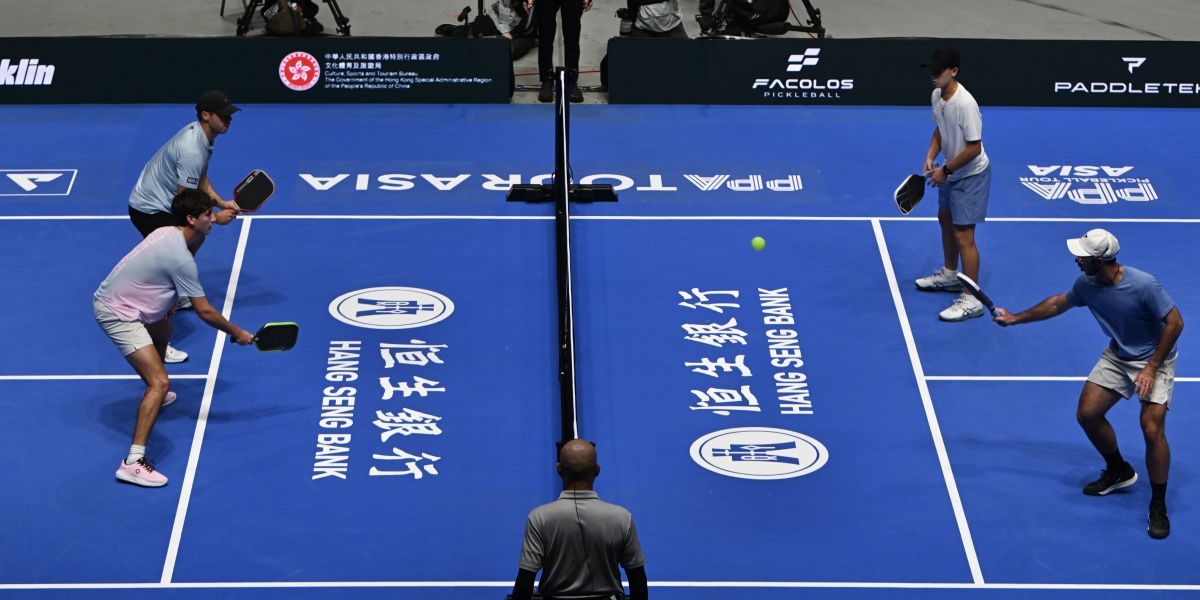
Modern paddles can generate shots above 60 mph (97 km/h). Players stand far closer to the net than in tennis, and the sport’s biggest demographic, recreational players aged 50 and over, reacts more slowly to a ball travelling that fast.
405 extra emergency visits a year
The case lands alongside the first nationwide picture of what is happening in US emergency departments. A JAMA Ophthalmology study published on 16 October 2025 by Corey R. Lacher, Irene Koc and Jonathan C. Tsui at Rutgers New Jersey Medical School found that pickleball-related ocular injuries rose by 405 cases a year between 2021 and 2024 (95% confidence interval 288 to 522; P = .004).
The Rutgers team pulled 20 years of National Electronic Injury Surveillance System data, counting 3,112 pickleball-related eye injuries between 2005 and 2024. Of those, 1,262 came in 2024 alone. Players aged 50 and over made up 70 percent of the total.
The breakdown in that study:
Read also: Joshua’s ‘human kebab’ training video goes viral 15 days before Fury fight
- Periocular lacerations: 35 percent
- Corneal abrasions: 16 percent
- Iritis: 8 percent
- Mechanism, direct ball impact: 43 percent
- Mechanism, falls: 28 percent
- Mechanism, paddle strikes: 12 percent
More severe outcomes, including retinal detachment, globe trauma, orbital fracture and hyphema, also showed up in the data.
Doctors want sport-specific eyewear rules
Eye protection is not mandatory in recreational or professional pickleball. The Rutgers authors argued for standardised guidelines; the UMass Chan team reached the same conclusion, calling for sport-specific safety rules modelled on those already in place for other racquet sports.
For the patient in the case report, surgery did not reverse the glaucoma, and her vision was still impaired at the three-month follow-up. No US or international pickleball body has announced mandatory eye-protection rules since the two papers were published.
Read also: Donald Trump left UFC star Bo Nickal speechless with his performance on the golf course