The ransom demand did not work. So the files went public.
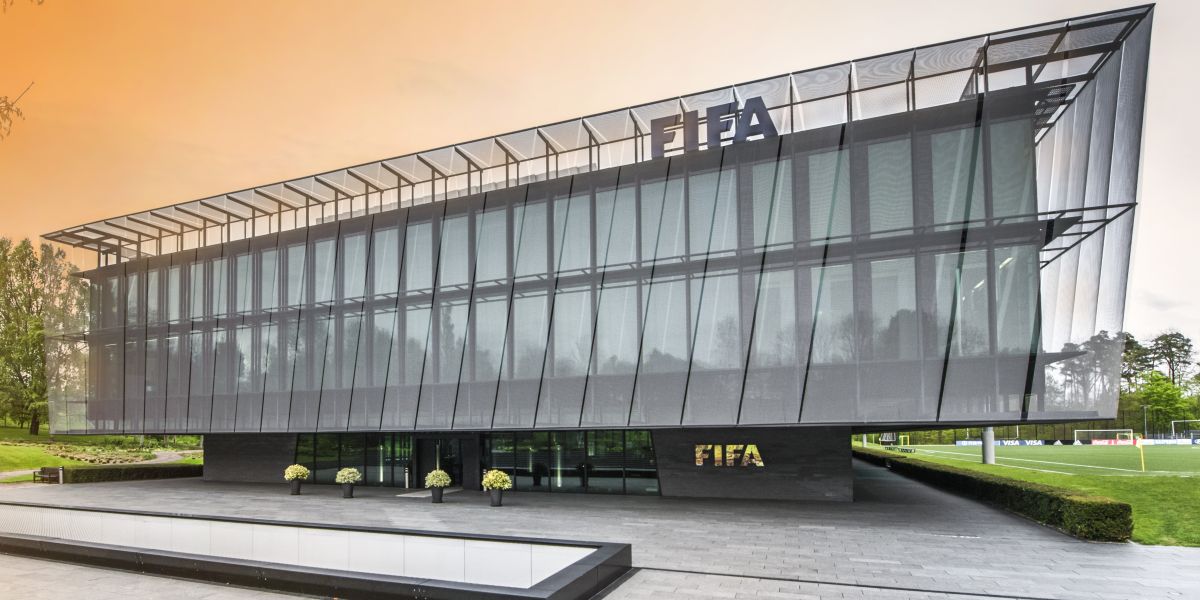
Zurich-based FIFA confirmed the intrusion on November 25, telling reporters that an unauthorized party had accessed “a limited set of personal and business information” and that the organization was working with law enforcement.
The confirmation followed a week of claims from a self-styled extortion crew calling itself the Handsome Boy Hacking Club, or HBHC. The group had listed FIFA on its leak site on November 20 and, after what it described as failed negotiations, posted a 12.2 GB archive on a cybercrime forum.
FIFA condemns the leak, verifies little
FIFA has drawn a sharp line between what it is willing to confirm and what the hackers are claiming. The federation condemned the release in a statement published late on November 25.
“FIFA condemns in the strongest possible terms the unlawful acquisition and publication of information, particularly personal data.”
Beyond acknowledging limited access and cooperation with authorities, FIFA has not described the intrusion method, the time the attackers spent inside its systems, or how many individuals are affected. HBHC’s own inventory of the archive, and the 12.2 GB figure, remain unverified by independent parties.
What the hackers say is inside
According to the forum listing cited by security researchers, the archive is meant to include identity and immigration documents, financial and legal records, executive information, internal governance files, World Cup sponsorship contracts and screenshots said to be taken from FIFA’s Microsoft environment.
That last claim, if accurate, would point to administrative email and document systems rather than public-facing platforms. FIFA has not commented on it.
Read also: Pep Guardiola explains why Messi and Ronaldo needed each other more than anyone realised
A new name in the extortion ecosystem
HBHC surfaced only this month. Analysts who track ransomware and data-extortion crews describe a rapid-fire pattern typical of emerging actors chasing notoriety, with claimed victims across unrelated sectors: telecom operator Frontier Communications, US hospital network UCHealth and firearms maker Smith & Wesson have all appeared on its leak page in recent weeks.
Not every claim has held up. Some have been dismissed as recycled or third-party data; UCHealth’s breach, however, was confirmed after HBHC released files when its deadline passed.
Why a FIFA breach matters beyond Zurich
FIFA’s headquarters sits on a hill above the Swiss city, but its records reach into every corner of the sport. Sponsorship terms, World Cup logistics, legal correspondence with national associations, and personal data for officials, players and accredited staff traveling to FIFA events all flow through its internal systems. A dump of financial and legal documents, if genuine, would land squarely inside that network.
FIFA has not indicated whether it will ask the forum host to take the archive down, nor whether it will issue individual notifications to anyone named in the files. The federation said its work with authorities is ongoing, with no further technical disclosure expected until that investigation progresses.
Read also: France coach Zidane says Mbappé relationship ‘works perfectly’ as he rejects L’Équipe story
Read also: Javier Tebas could take Florentino Perez to court as La Liga power struggle deepens