A global event meets political fault lines
The FIFA World Cup, held every four years, is one of the largest sporting events in the world, often drawing billions of viewers and hundreds of thousands of travelling fans. The upcoming tournament, jointly hosted by the United States, Canada and Mexico, is expected to be the most logistically complex in the competition’s history due to its size and the political sensitivities surrounding international travel into the US.
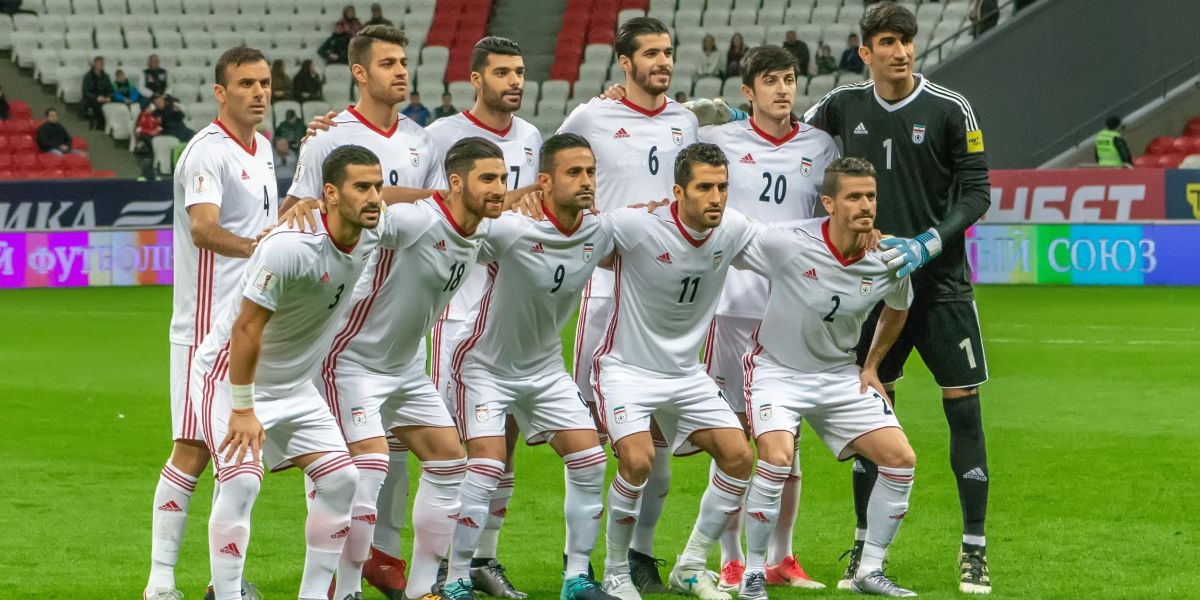
Against that backdrop, a diplomatic issue surfaced before the draw, the ceremony where teams learn who they will face and where they will play. According to reporting from LADbible, Iran confirmed it would not attend the event in Washington after several members of its official delegation were denied visas. Amir Mahdi Alavi, a spokesperson for the Iranian football federation, said the visa problems appeared unrelated to routine sporting travel and instead reflected wider political tensions.
Long running disputes resurface
Relations between the United States and Iran have been strained for decades, marked by disagreements over nuclear policy, regional security and sanctions. Those tensions spilled into sports reporting years earlier, when then president Donald Trump discussed Iran in the context of military options during a White House event involving the Italian club Juventus. His administration later imposed additional sanctions, citing concerns about terrorism and Iran’s handling of its nationals abroad.
Although Trump is no longer in office, some travel restrictions first developed during his presidency remain part of US immigration policy. These measures continue to affect nationals from several countries, including Iran, which complicates travel for diplomatic delegations and sporting officials.
Read also: Fernando Alonso makes final call on F1 retirement
Travel rules add uncertainty for supporters
LADbible reported that, while the US government offers special exemptions for athletes, coaches and essential personnel participating in global sports events, those exceptions may not apply to spectators. This creates uncertainty for Iranian and Haitian fans, as both nations appear on US travel ban lists and both have qualified for the tournament.
For context, a World Cup brings large travelling fan bases, and host nations typically work years in advance with immigration authorities to ensure smooth entry procedures. Any ambiguity over whether supporters can enter the country risks affecting travel planning, ticket sales and the overall tournament atmosphere.
FIFA president Gianni Infantino has previously tried to reassure participants, stating, America will welcome the world, and that anyone hoping to enjoy the tournament would be able to do so. However, the denied visas for Iranian officials have raised questions about how consistently those assurances will be applied.
Mixed signals ahead of a major global event
FIFA vice president Victor Montagliani has said that all three host countries have guaranteed entry for qualifying teams. Even so, the incident involving Iran’s delegation has unsettled several national federations that are preparing for the competition. The concerns extend beyond sports, touching on broader issues such as security, political protests and local regulations in the United States, which could influence how teams and fans experience the tournament.
Read also: Ion Izagirre faced carrier ending crash
LADbible reported that the White House has been contacted for comment.
Read also: Bad news for Gianni Infantino