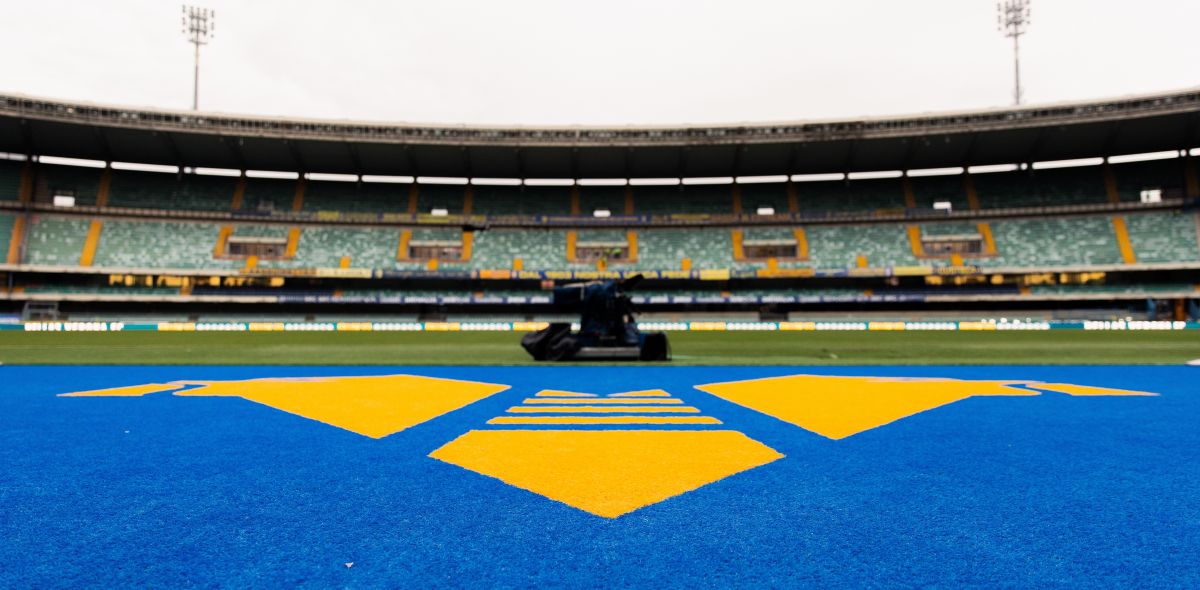
A stadium from another era
For many residents of Verona, the Bentegodi is more than a sports venue. Built in 1963, it has served as a local landmark for generations, hosting everything from community events to top-flight Serie A matches. Older fans still recall its moment on the global stage during the 1990 World Cup, when the stadium welcomed Belgium’s group games and the dramatic Spain versus Yugoslavia knockout match.
But the structure is now over sixty years old, and Italian officials say its age is becoming increasingly difficult to manage. According to reporting from The Sun, the stadium is one of several facilities under review as Italy works to meet UEFA requirements for Euro 2032, a tournament the country will co-host with Turkey.
Why the costs are spiralling
Maintaining sports venues from the mid-20th century is notoriously expensive, and the Bentegodi is no exception. Engineers estimate that bringing the 39,000-seat arena up to modern safety and commercial standards would require roughly €300 million.
Verona’s mayor, Damiano Tomassi, has publicly questioned whether pouring that much money into an aging structure is responsible. In comments to Italian media, he has suggested that building a completely new arena may be safer and ultimately more cost-effective.
Read also: Harry Kane’s Ballon d’Or response says plenty without saying much
However, Italy faces a broader financial challenge. The national government has set aside only €200 million for stadium upgrades across the entire country, and half of that is already earmarked for improvements to Rome’s Stadio Olimpico. That leaves very little for regional projects like Verona’s.
A city trying to reinvent its venue
Hellas Verona, the city’s top football club, has submitted a concept for a modern multi-use arena that could host concerts, cultural festivals and non-sporting events. This approach has become common in Europe, where stadiums increasingly rely on year-round programming to remain financially viable.
Yet the price tag, estimated at around €200 million, means local authorities would still need to secure private investors or additional public support. During construction, the club would move to a smaller temporary ground, a shift that would affect ticket revenue and the surrounding businesses that rely on matchday crowds.
The wider tension behind the decision
The debate around the Bentegodi reflects a broader dilemma in European cities, where historic stadiums often sit on valuable land but require investments that local governments struggle to justify. Supporters argue the stadium holds cultural value, while planners insist that modern safety standards and financial realities make nostalgia an insufficient argument for preservation.
Read also: Roy Keane gives Manchester City stars brutal message over medals after guilty verdict
For now, the future of Verona’s iconic stadium remains unresolved. Its fate sits at the intersection of economics, tradition and international sporting expectations, and the city must soon decide whether to rescue a beloved landmark or replace it with something built for a very different era.
Read also: Where Erling Haaland could end up if he leaves Man City