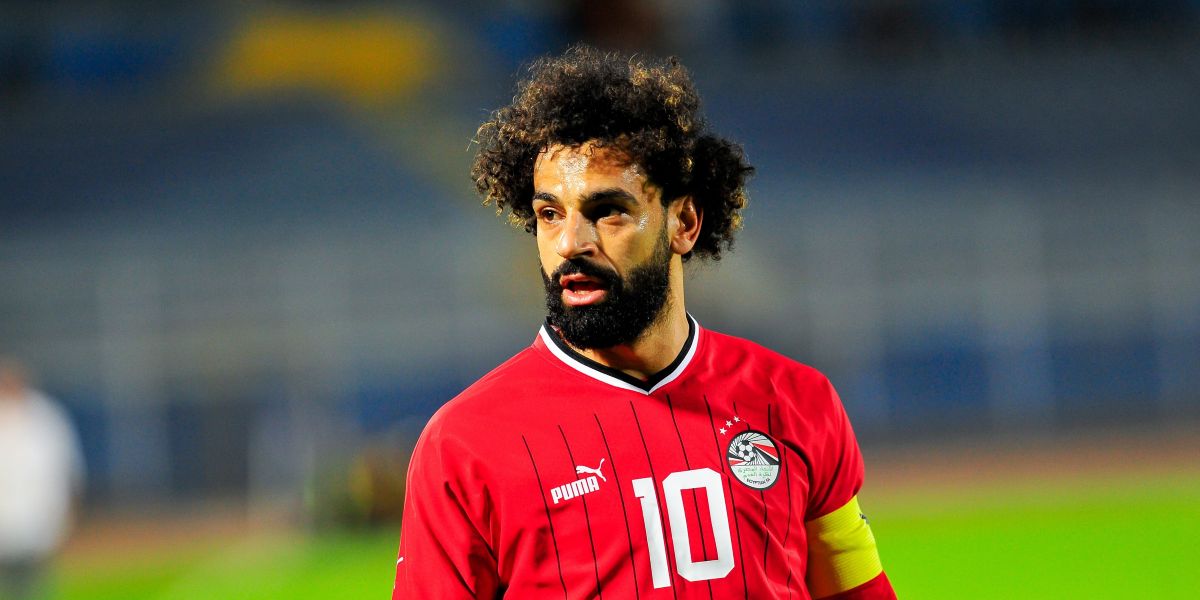
According to BBC Sport football reporter Aadam Patel, reporting from Cairo, Mohamed Salah’s recent comments about Liverpool resonated far beyond the club, exposing how deeply the forward’s career is intertwined with Egyptian public life.
Cairo reacts as one
Cairo is never quiet, but in recent days the noise has taken on a different tone. Television debates, café conversations and social media discussions have revolved around a single topic, Mohamed Salah.
After the Liverpool forward said on 6 December that he felt the club had “thrown him under the bus”, reaction in England was sharply divided. In Egypt, however, the response was immediate and largely unified.
According to BBC Sport, the comments touched a collective nerve, turning a club level dispute into a national talking point that went far beyond football.
Read also: Fatal death hits the English football community
Loyalty over criticism
While British pundits questioned Salah’s decision to speak publicly, Egyptian voices overwhelmingly rallied behind him.
Former Liverpool defender Jamie Carragher labelled the interview a “disgrace”, arguing that Salah had damaged his relationship with the club. That view found little traction in Cairo.
Diaa El Sayed, a former assistant coach of the Egypt national team, told BBC Sport that the reaction was extraordinary. “This interview was like a revolution in Egypt,” he said, adding that almost the entire country sided with the player.
For many Egyptians, Salah’s standing transcends club allegiance. Noura Essam, a Cairo resident, told BBC Sport that Liverpool had little following locally before Salah’s arrival, explaining that his success created a lasting emotional bond that now outweighs criticism from abroad.
Read also: Lionel Messi tour of India draws crowds, criticism and contrasts
More than a footballer
According to BBC Sport’s reporting, Salah’s influence in Egypt reaches into politics and everyday life. During the 2018 presidential election, more than one million voters reportedly wrote his name on ballot papers instead of selecting a candidate.
He is often referred to as the “Fourth Pyramid”, a nickname that reflects his symbolic status rather than sporting achievements alone.
That reverence helps explain the reaction when Liverpool manager Arne Slot repeatedly left him out of the starting line up, including omitting him from a Champions League trip to Inter Milan. Former Egyptian FA spokesman Osama Ismail told BBC Sport that Egyptian fans openly supported Inter during that match, a rare moment when national loyalty overrode club football.
A family matter in Egypt
As Egypt prepare for the Africa Cup of Nations, the tone around Salah has shifted from anger to protection.
Read also: Can anyone stop Sinner and Alcaraz in 2026?
According to BBC Sport, sports minister Ashraf Sobhy personally welcomed Salah back to Cairo, underlining how seriously the situation was taken at an official level.
Journalist Ahmed Gamal Ali explained that many Egyptians interpreted the Liverpool episode emotionally rather than analytically. “We say he is our son, so we were emotionally taken aback because it felt like a humiliation for one of our family,” he told BBC Sport, adding that judging Salah’s decision without sharing his experience would be unfair.
Inside the national team camp, staff and players have publicly expressed support. One member of staff told BBC Sport that working with Salah was the highlight of his role, while head coach Hossam Hassan has held detailed discussions with his captain ahead of the tournament in Morocco.
Pride, pressure and unfinished business
According to BBC Sport, Salah’s long term future at Liverpool remains uncertain, with contract talks expected to continue through his representatives while he is away on international duty.
Read also: Raphinha’s wife rages on Instagram after Barcelona star left out of FIFA World’s best XI
What is clear is that the episode has added motivation rather than distraction. In Egypt, Salah is seen as carrying unfinished business, particularly at the Africa Cup of Nations, which he has never won.
As the Pharaohs head into the tournament, public belief remains intact. For many Egyptians, Salah’s clash with Liverpool has only reinforced a long held conviction, that wherever he plays his battles are shared at home.
Sources: BBC Sport, Aadam Patel
Read also: Snicko blunder exposed, how a wrong microphone changed Carey’s Ashes fate