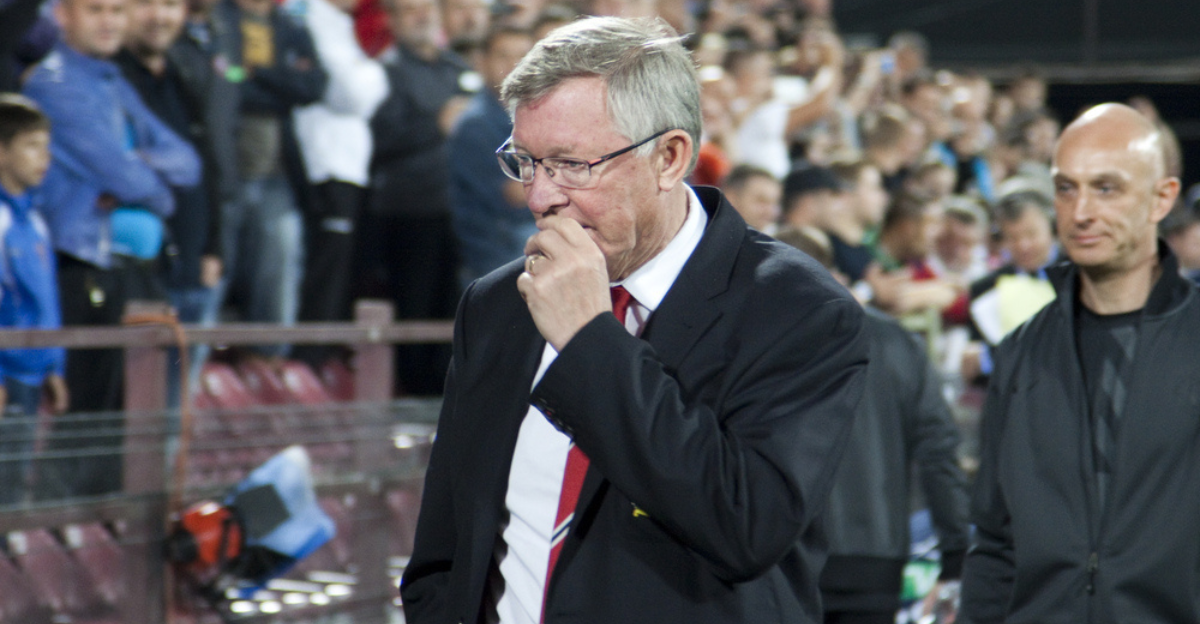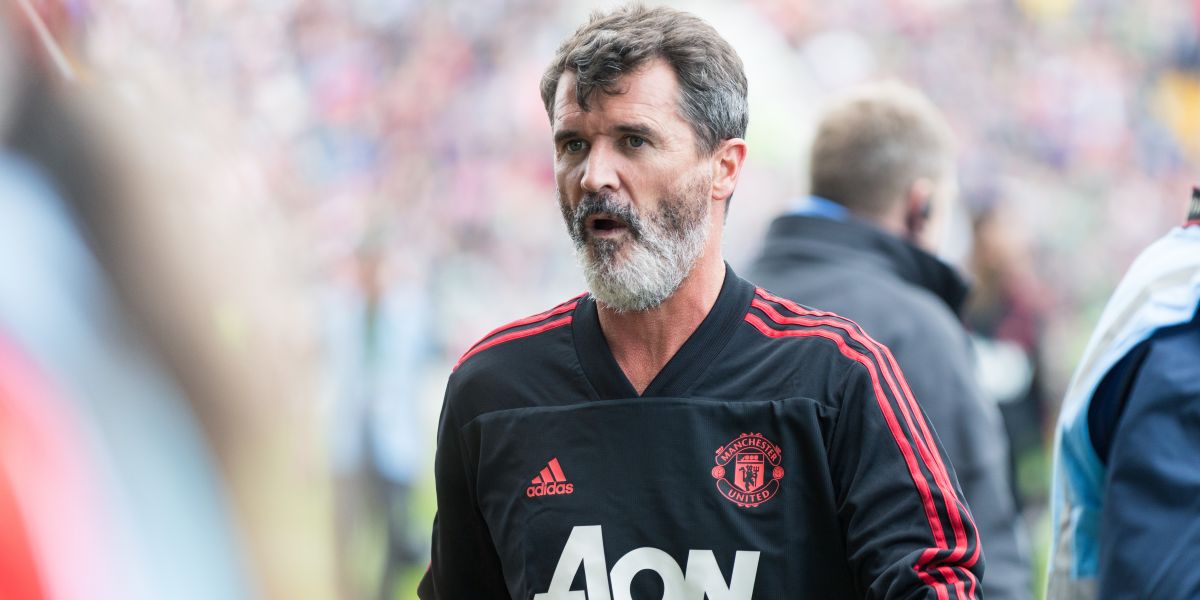
Few disputes in modern football have lingered as stubbornly as the fallout between Roy Keane and Sir Alex Ferguson. What began as a disagreement over standards and authority in 2005 hardened into a permanent rupture, one neither side has ever shown much interest in repairing.
At its core, the clash was about control. Two figures who had spent years pulling in the same direction suddenly found themselves unwilling to yield an inch.
A partnership that thrived on tension
For more than a decade, Keane and Ferguson were united by obsession. Ferguson demanded discipline and loyalty above all else. Keane, as captain, enforced those expectations on the pitch with little interest in diplomacy.
The arrangement worked. Manchester United dominated English football throughout the 1990s and early 2000s, with Keane acting as both leader and enforcer inside the dressing room. His intensity suited Ferguson’s methods, and for years the balance held.
Read also: Manchester City’s chase looks uncomfortably familiar for Arsenal
By 2005, however, circumstances had changed. Keane was struggling with injuries, United’s results had dipped, and the authority he once carried naturally was beginning to fray.
The interview that crossed a line
The moment that ended everything came while Keane was sidelined. Following a 4–1 defeat to Middlesbrough, he recorded an interview for MUTV that was intended for internal viewing.
According to BBC Sport and PA Media reporting at the time, Keane openly criticised teammates by name, questioning their professionalism and commitment. Among his remarks was a pointed assessment of Rio Ferdinand:
“I have seen that happen to Rio before. It is poor defending.”
Read also: F1 driver hit with brutal penalty months before new era even begins
Keane also accused players of becoming complacent once contracts were secured, saying:
“When they sign the contracts, they think they have made it. They owe it to the manager, the staff and the fans. They think they have made it. They haven’t.”
The interview was judged too damaging to broadcast in full. However, as The Guardian reported in 2005, its contents quickly spread within the club, causing unrest in the dressing room.
Ferguson draws a line
Ferguson reacted angrily to the interview. According to contemporaneous reports from BBC Sport, he called a team meeting that escalated rapidly and marked a clear breakdown in trust between manager and captain.
Read also: As he thrives at Napoli, McTominay challenges the Manchester United exit narrative
On November 18, 2005, Manchester United announced that Keane had left the club by mutual consent, bringing an abrupt end to his 12-year spell at Old Trafford.
Years later, Keane explained on the Off The Ball podcast why the episode permanently altered his view of Ferguson:
“As much as I’m not one to hold a grudge, I wouldn’t forgive Ferguson.”
Defending himself, he added:
Read also: Fans erupt as Cena farewell turns into Triple H backlash storm
“I don’t care if it’s Alex Ferguson or the Pope, you’re going to defend yourself.”
Old wounds reopened in print
For several years, Ferguson spoke sparingly about Keane’s departure. That changed with the publication of his 2013 autobiography, in which he revisited the MUTV interview and its aftermath.
Ferguson described Keane’s actions as unacceptable and argued that failing to act would have undermined his authority as manager. Writing in the book, he said:
“He thought he was Peter Pan. No one is. The hardest part of Roy’s body is his tongue.”
Read also: Thierry Henry reveals his most impressive Premier League player and manager so far
The passage reignited public debate about the fallout rather than settling it.
Keane’s response was swift
Asked about Ferguson’s comments while working as a pundit for ITV Sport, Keane showed little interest in softening his stance. Questioning his former manager’s loyalty, he said:
“I don’t think he knows the meaning of the word.”
He also pushed back against what he saw as a pattern of criticism directed at former players:
“We brought success to the club, we gave it everything we had when we were there.”
A feud frozen in time
Nearly two decades later, there has been no reconciliation. Keane continues to bristle whenever Ferguson’s name arises, while Ferguson has largely moved on without revisiting the dispute publicly.
In hindsight, the split may have been unavoidable. The qualities that made both men so effective intensity, certainty, and an intolerance for weakness were also what ensured the relationship could not survive once authority was challenged.
Sources: Roy Keane interviews on Off The Ball podcast, Sir Alex Ferguson, My Autobiography, BBC Sport, The Guardian, PA Media.