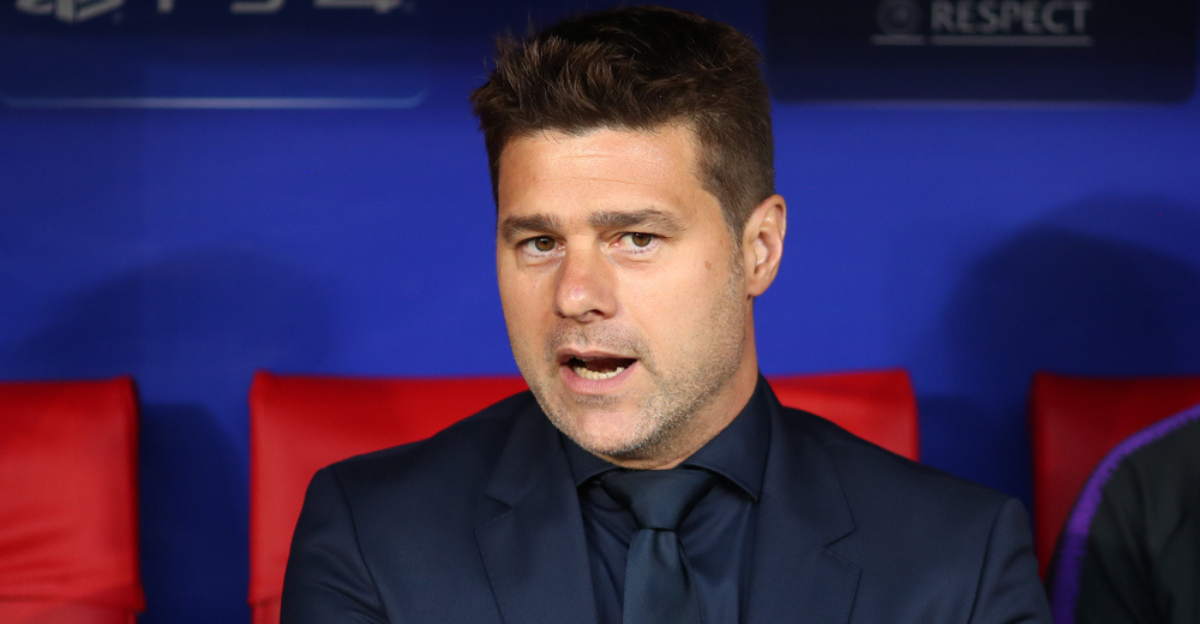
With the 2026 FIFA World Cup approaching, Mauricio Pochettino is asking U.S. players to think beyond incremental progress. Hosting the tournament, he argues, should come with ambition that feels uncomfortable even unrealistic.
Rather than grounding that message in soccer history, Pochettino has reached for a reference deeply embedded in the American sporting psyche. In comments cited by U.S. media, he has pointed to the 1980 U.S. Olympic ice hockey team as evidence that preparation and belief can sometimes overwhelm reputation.
It is an unusual comparison for a global sport and that may be precisely the point.
Why the miracle still matters
The “Miracle on Ice” endures less because of how the game was played than because of what it represented. A group of amateur players defeated a Soviet team that had dominated international hockey for years, winning 4-3 in Lake Placid. Though it was not a gold-medal final, the result quickly took on symbolic weight.
Read also: Putin embarrassment as live tv wrestling event in occupied crimea erupts into violent mass brawl
For Pochettino, the relevance lies in psychology. Playing at home, dismissed by much of the outside world, and carrying expectations that stop well short of winning those conditions will feel familiar to the U.S. in 2026.
Still, inspiration has limits.
Measuring the underdog status
On paper, the Americans remain outsiders. The 1980 hockey team entered its tournament seeded seventh out of 12. Today’s U.S. men’s national team sits 14th in the FIFA world rankings. While hosts automatically receive a top pot in the World Cup draw, rankings alone place the U.S. outside the group of genuine favorites.
The challenge is compounded by scale. FIFA has expanded the tournament to 48 teams, meaning more matches, more tactical problems, and fewer opportunities to survive on momentum alone, according to FIFA competition data.
Read also: PSG weigh extraordinary long-term contract for Luis Enrique
No single obstacle to overcome
One crucial difference from 1980 is the absence of a singular foe. That hockey team had the Soviet Union a dominant power that had won four straight Olympic titles and carried enormous political symbolism.
The modern U.S. faces a rotating cast of threats instead. Potential knockout opponents such as England or defending champions Argentina would arrive with star power and pedigree, but none represents a single, defining hurdle. The danger comes in waves, not in one game.
A changed political backdrop
Lake Placid unfolded at the height of the Cold War, when sporting results were easily absorbed into broader ideological conflict. The 2026 World Cup will take place in a far more fragmented environment.
Russia remains banned from FIFA competition because of its invasion of Ukraine. But criticism around the tournament has focused less on geopolitics than on logistics and commercialization from visa access to ticket pricing as reported by Reuters and the BBC.
Read also: Saudi and Chinese clubs eye former Liverpool defender
That reality makes it unlikely the U.S. team will be embraced internationally unless its play demands attention.
Experience instead of innocence
The composition of the squad may be the sharpest contrast of all. The 1980 hockey team was made up largely of college players, with an average age of about 23 and no professional background.
The expected U.S. lineup in 2026 tells a different story. Players such as Christian Pulisic and Weston McKennie have logged years in Europe’s top leagues, and several projected starters are regular Champions League contributors, according to Reuters. The gap in talent against elite nations may be narrower but the freedom that comes with sporting anonymity is gone.
This team knows exactly how hard the task is.
Read also: Why the 2026 Ballon d’Or may be decided by the World Cup
The scale of what’s at stake
If improbability is the common thread, the consequences are not. FIFA estimates the 2022 World Cup final between Argentina and France reached roughly 1.5 billion viewers worldwide. The 1980 hockey semifinal, by contrast, aired on tape delay in the United States.
A U.S. World Cup victory on home soil would instantly rank among the greatest shocks in the tournament’s history, perhaps rivaled only by Uruguay’s win over Brazil in 1950.
Whether that dream is realistic is almost beside the point. By invoking 1980, Pochettino is not predicting a miracle. He is setting a standard for how boldly his team is allowed to think and daring it to live with the pressure that comes next.
Sources: Reuters, BBC, FIFA
Read also: This is how The Rock is quietly making tens of millions from WWE without wrestling a single match