A long struggle for sporting identity
Organised Palestinian sport in Palestine dates back to the 1930s, when clubs and federations operated across towns and cities long before modern borders were imposed. That early development was abruptly disrupted by the Nakba in 1948, which dismantled national sporting structures and scattered athletes and clubs across exile and refugee communities.
After the Oslo Accords in the 1990s, Palestinian sport entered a fragile period of renewal. The Palestinian Football Association gained international recognition, raising hopes that football and other sports could develop into stable national institutions. Those ambitions, however, were repeatedly undermined by territorial fragmentation, movement restrictions and recurring rounds of violence.
Despite these obstacles, sport remained a powerful space for visibility and collective identity. The national football team endured years of instability and conflict, managing to compete internationally even as domestic leagues struggled to survive. That progress was again derailed after the latest Israel Hamas war erupted, placing players, facilities and entire sporting communities at risk.
Athletes lost to the war
The human toll on Palestinian sport has been severe. Hundreds of athletes across multiple disciplines have been killed since the war began, cutting short careers that were often built under already difficult conditions. Footballers, coaches and youth players have been among those lost, leaving clubs and national teams depleted.
Read also: Zidane return talk grows after Real Madrid coaching change
Some deaths resonated far beyond the sporting world, highlighting how deeply the conflict has penetrated civilian life. Coaches who shaped national teams and young players who represented future generations were killed alongside family members and neighbours. Their absence is felt not only in competitions, but in training grounds, classrooms and neighbourhoods where sport once offered structure and hope.
Stadiums without matches
War has hollowed out daily sporting life. Training sessions have been cancelled, leagues suspended and travel between cities rendered impossible. For elite athletes, shortages of food, electricity and medical care have weakened physical condition and ended qualification dreams.
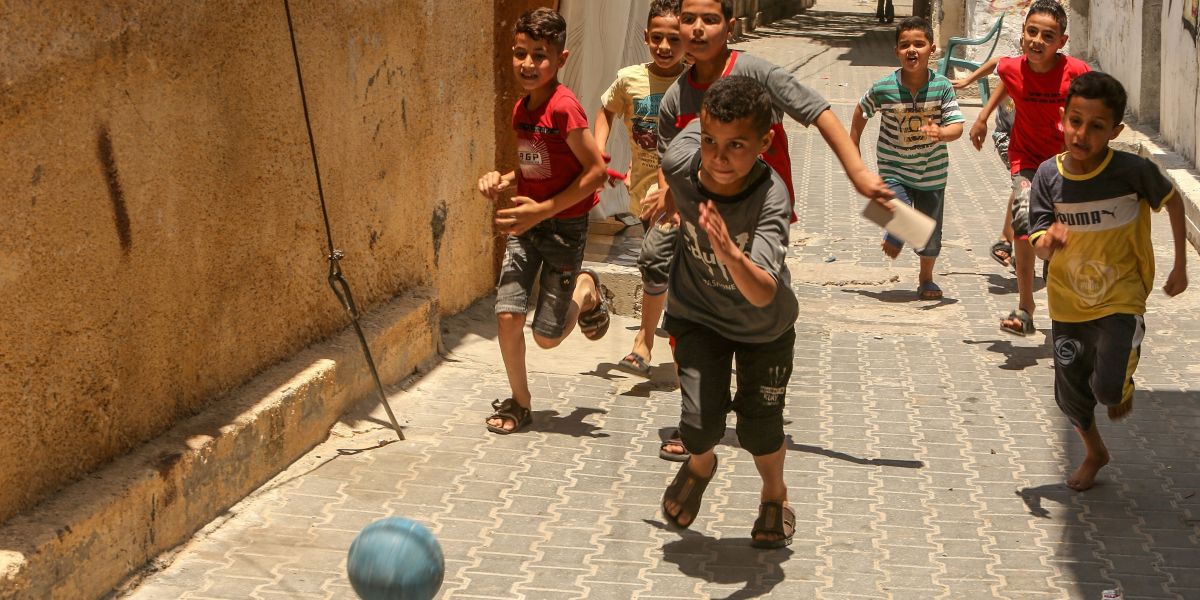
Across Gaza and the West Bank, clubs have shut their doors. Youth programmes that once provided safe spaces for children have been suspended as security risks grew. Facilities that took decades to build have been damaged, destroyed or abandoned.
Some stadiums have taken on grim new roles. Playing fields have been repurposed during military operations, while others have become makeshift burial grounds as cemeteries filled. Spaces once associated with crowds and celebration now stand silent or scarred.
Read also: Guard dies in bitter cold before winter Olympics
Pressure on global sport
The devastation of Palestinian sport has reignited debate over the role of international sporting institutions during times of war. Critics argue that claims of political neutrality ring hollow when athletes and facilities are systematically affected by conflict.
Comparisons have been drawn with other global crises in which sporting bodies acted swiftly, raising questions about consistency and moral responsibility. For many observers, sport cannot be separated from human rights when players themselves become casualties.
Sport as memory and survival
As the war continues, Palestinian sport exists largely as memory, interrupted careers, abandoned clubs and damaged fields. Yet its symbolic importance endures. Sport has long been a way to assert presence, identity and continuity in the face of displacement and loss.
Whether it can again serve as a unifying force will depend not only on rebuilding infrastructure, but on the possibility of safety and stability. Until then, Palestinian sport remains suspended between survival and silence.
Read also: Inside the dressing room before Josh Cavallo came out
Read also: Alonso tops early Liverpool succession talk