A star rising too fast
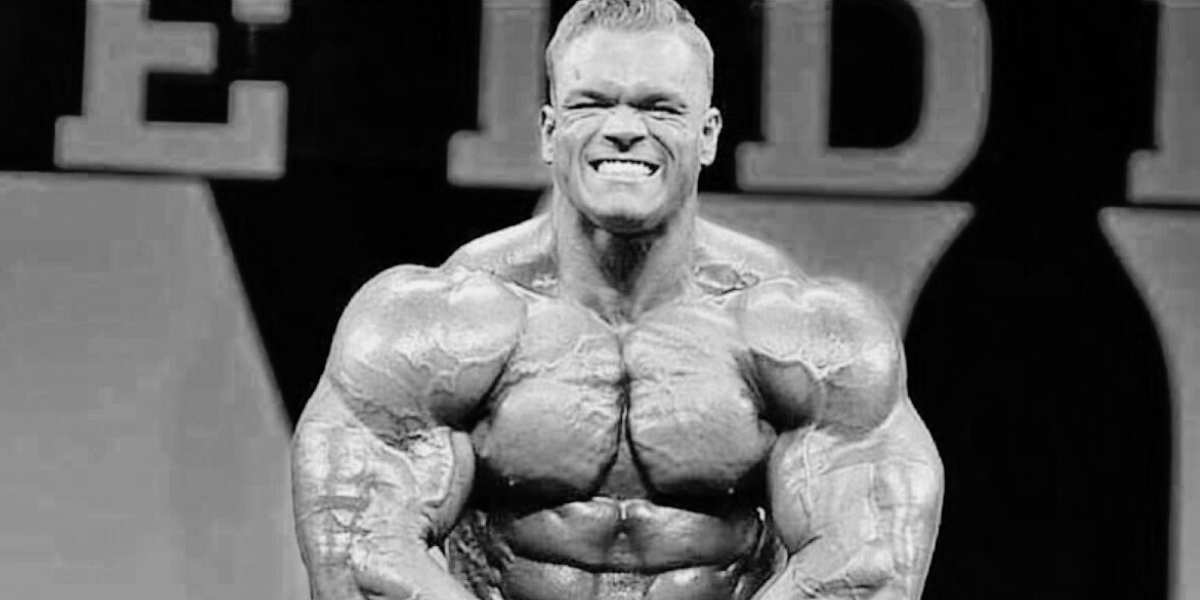
Dallas McCarver emerged as one of professional bodybuilding’s most promising talents in the early 2010s. With a physique that combined size and symmetry, he quickly drew attention within the International Federation of Bodybuilding and Fitness circuit. According to fitness industry reporting by Muscle and Fitness and Generation Iron, McCarver won three of the five major professional competitions he entered between 2012 and 2015.
His rapid success placed him among the sport’s elite before he had reached his late twenties. For fans and sponsors, he represented the next generation of champions. Behind the scenes, however, the physical demands required to maintain that level were already taking a toll.
The day everything stopped
On August 22, 2017, McCarver was found dead in his home in Tennessee. He was discovered on his kitchen floor with food nearby, suggesting his death occurred suddenly. According to public autopsy records cited by Reuters and later referenced by multiple fitness publications, McCarver had been suffering from chronic respiratory infections.
The post mortem examination also documented an enlarged liver and kidneys, conditions that medical experts have often associated with prolonged physiological stress in elite strength sports. McCarver was 26 years old.
Read also: MPs urge Fifa to rethink US role after Trump’s Venezuela operation
Beyond one tragedy
McCarver’s death did not occur in isolation. The bodybuilding world has seen several high profile athletes die prematurely after long competitive careers. According to reporting by ESPN and the BBC, former professional bodybuilder Mike Matarazzo died of heart disease at 48 after years of competition.
Another frequently cited case is Andreas Münzer, who died at 31 from internal bleeding. According to medical analyses published in European sports medicine journals, Münzer’s death was linked to extreme conditioning practices. Together, these cases have become central to ongoing debates about risk and sustainability in professional bodybuilding.
A culture built on extremes
Critics of modern bodybuilding argue that the sport often rewards physical extremes over long term health. Competitive judging standards and social media exposure can incentivize rapid muscle gain while discouraging rest, balance and recovery. According to a long term observational study published in the International Journal of Sports Medicine, male professional bodybuilders showed significantly higher mortality rates compared with non competitive strength athletes over several decades.
These findings have reinforced concerns among sports physicians that chronic strain, when sustained over many years, can quietly accumulate before manifesting in serious health consequences.
Read also: Netflix enters AFCON spotlight
Redefining strength
Some former elite athletes have since used their own health challenges to promote a more measured approach to training. According to interviews published by The Guardian, several retired competitors now emphasize longevity, metabolic health and mental wellbeing over appearance alone.
Viewed through this lens, McCarver’s legacy is not simply one of loss, but of warning. His story continues to prompt difficult conversations about how success is defined in fitness culture, and whether the pursuit of size should ever come at the expense of life itself.
Lessons the sport cannot ignore
Dallas McCarver’s career and death remain a powerful reminder that physical excellence has limits. Remembering his life invites a broader reassessment of how athletes, fans and institutions value health alongside achievement. For a sport built on discipline and dedication, the greatest challenge ahead may be learning where to draw the line.
Sources: Reuters, BBC, ESPN, Muscle and Fitness, Generation Iron, International Journal of Sports Medicine
Read also: FCSB moves quickly for experienced midfielder
Read also: De Zerbi’s United offer revealed in Marseille dressing room