Penalty kicks are meant to simplify football’s chaos into a single moment. In the Africa Cup of Nations final, one decision did the opposite.
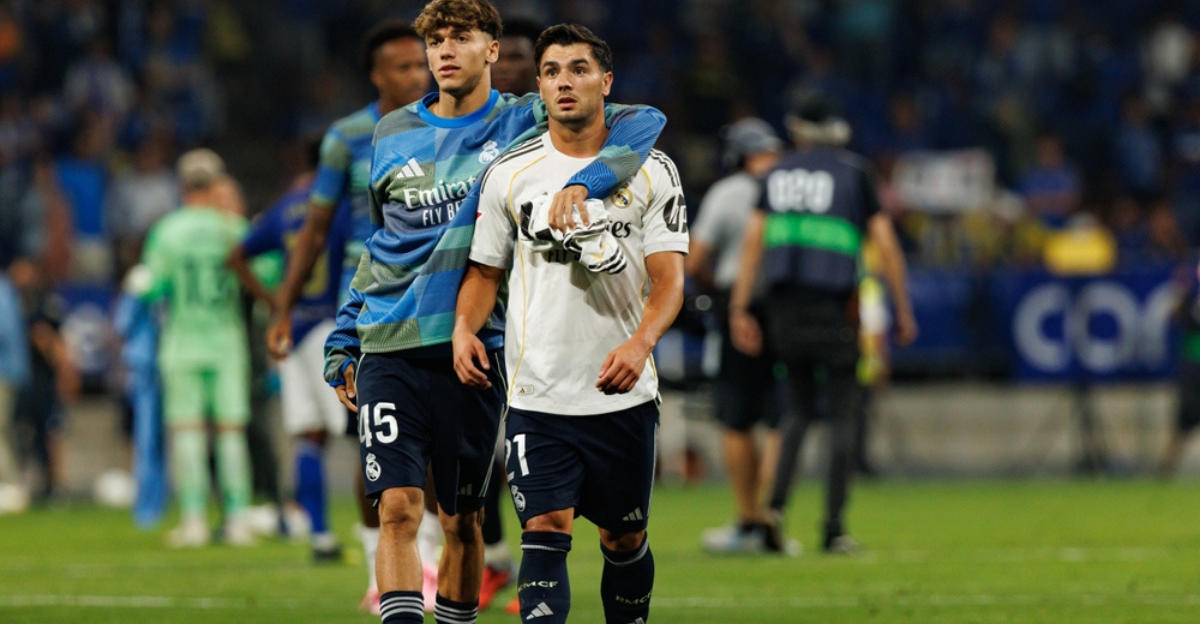
Long after a late penalty was awarded to Morocco, Brahim Diaz stood over the ball as stoppage time ticked away. The delay, the pressure and the noise all built toward a defining act. What followed instead prolonged the final and altered how it will be remembered.
Diaz attempted a Panenka a softly chipped penalty straight down the middle but Senegal goalkeeper Edouard Mendy refused to commit. Staying on his feet, Mendy gathered the ball comfortably, sending the match into extra time, where Senegal went on to claim the title.
According to BBC Sport, Diaz appeared visibly distraught after the miss. The sense of personal collapse was compounded when he later received the tournament’s Golden Boot from Fifa president Gianni Infantino an honour that highlighted his strong campaign but arrived immediately after its most painful moment.
Read also: Roy Keane gives Manchester City stars brutal message over medals after guilty verdict
Why Panenkas invite harsher judgement
Missed penalties are common. Missed Panenkas are remembered.
The technique carries a reputation for arrogance when it fails, even though the outcome is no different from a shot pushed wide or saved in the corner. Earlier this month, Sunderland midfielder Enzo le Fée faced similar criticism after a chipped penalty was easily stopped in a Premier League defeat at Brentford.
Former Bristol City and Swansea striker Lee Trundle has argued that this reaction is misplaced. Speaking to BBC Sport, he said a Panenka should be viewed as “just another way to score a penalty,” not a needless gamble.
The difference, he suggested, lies in perception rather than probability.
Read also: Where Erling Haaland could end up if he leaves Man City
A technique born from nerve, not novelty
The Panenka’s origins date to the 1976 European Championship final, when Antonin Panenka chipped a decisive penalty to secure victory for Czechoslovakia. That single act transformed a risky idea into a recognised technique.
Since then, some of football’s most decorated players including Lionel Messi, Thierry Henry and Francesco Totti have used it successfully. Zinedine Zidane’s Panenka in the 2006 World Cup final, which clipped the crossbar before crossing the line, remains one of the most famous penalties ever taken.
Italy midfielder Andrea Pirlo explained the psychological element after executing one against England at Euro 2012. “When I saw him move, I decided to do that,” Pirlo said, describing it as a way to turn a goalkeeper’s confidence against him.
The numbers behind the decision
Statistics help explain why players continue to take the risk. BBC Sport data shows that penalties struck down the middle at World Cups and European Championships have been converted at a higher rate than those aimed left or right.
Read also: Javier Tebas breaks silence on what should happen to Man City next
The same pattern appeared at this year’s Africa Cup of Nations, where most penalties played straight down the middle found the net. Trundle believes timing is crucial, noting that late in matches goalkeepers are more likely to dive early, leaving the centre exposed.
In Diaz’s case, that assumption proved costly. Mendy waited, read the run-up and removed any margin for recovery. With a Panenka, once the goalkeeper stays upright, there is nowhere to hide.
A moment that lingers
Missed Panenkas tend to linger longer than other failures because they appear deliberate. Yet Diaz’s decision was rooted in logic, precedent and probability not recklessness.
For now, that distinction offers little comfort. Finals reduce careers to moments, and this one will follow Diaz despite his goals, his form and his award. Football’s most delicate penalties demand perfect conviction. On this occasion, hesitation was enough to undo everything.
Read also: Messi admitted he targeted one World Cup rival on purpose
Sources: BBC Sport
Read also: Cristiano Ronaldo crisis forces Portugal chief into emergency action