According to reporting by international broadcasters and post match statements cited by CAF accredited media, Senegal’s extra time victory over Morocco in the AFCON final was overshadowed by refereeing decisions, a team walk off, and a lengthy suspension that transformed a showpiece match into a test of authority and control.
A final shaped by expectation and suspicion
Morocco hosted the 2025 Africa Cup of Nations with the explicit aim of showcasing its readiness for global football events ahead of the 2030 World Cup, according to tournament briefings published by CAF and Moroccan football officials.
The scale of investment and political significance attached to the tournament placed extraordinary pressure on the host nation. As the competition progressed, several visiting teams publicly questioned refereeing consistency, a narrative widely discussed by African and European football media during the knockout rounds.
Whether or not those claims were justified, the perception mattered. By the time the final kicked off in Rabat, Senegal arrived believing they would need to overcome more than just the opposition.
Read also: Andy Murray reveals one major regret about Nadal and Djokovic
According to comments reported by regional outlets, Senegal coach Pape Thiaw raised concerns about logistical and security arrangements before the match, saying his players felt exposed upon arrival in the capital. He warned that Africa’s image was at stake, a remark that gained new meaning as events unfolded.
Football first, controversy later
For much of regulation time, the final followed a familiar pattern. Morocco prioritised defensive structure, while Senegal appeared sharper on the counter attack.
According to match analysis published after the game, Senegal created the clearest chance of the first half when Sadio Mané set up Cherif Ndiaye, only for Ndiaye to miss after an initial save from goalkeeper Yassine Bounou.
Referee Jean Jacques Ndala was generally praised for maintaining control during a physical contest, allowing contact while intervening when challenges crossed the line. As fatigue increased and stoppage time approached, the match remained balanced, but fragile.
Read also: Manchester United told to ‘nick’ two Man City stars if relegation hits
The whistle that changed everything
The first major controversy came from a Senegal corner in the second minute of added time.
According to the Laws of the Game cited by multiple match reports, Ndala blew his whistle for a foul during an aerial challenge before the ball was headed into the net by Ismaila Sarr. Because play had been stopped, video review could not be applied.
This technical detail became central to Senegal’s anger. Players argued that the contact was minor and that the early whistle denied VAR the chance to assess the goal.
According to former referees interviewed by broadcasters after the match, modern officiating guidelines encourage delaying the whistle in goal scoring situations, a protocol that was not followed in this instance.
Read also: Thierry Henry issues blunt warning over Liverpool’s £123m signing
Var steps in, and tensions explode
Minutes later, Morocco attacked again. Brahim Díaz went down in the penalty area under pressure from El Hadji Malick Diouf.
Ndala initially allowed play to continue, but VAR officials advised a review. After watching the monitor, the referee awarded a penalty.
According to analysts quoted by international media, the contact was minimal, but sufficient under a strict interpretation. For Senegal, the contrast was decisive. Their goal had been ruled out instantly, while Morocco benefited from video intervention.
Coach Thiaw reacted by instructing his players to leave the pitch, an action confirmed in post match interviews. The defending champions walked off, halting the final and stunning spectators.
Read also: Roy Keane goes nuclear on Man City after 114 guilty findings
Sixteen minutes on the edge
The stoppage lasted roughly sixteen minutes, according to official timekeeping.
During that period, crowd control became a serious concern. According to reports from stadium officials and journalists on site, supporters attempted to breach barriers, security forces intervened, and tempers flared both on and off the pitch.
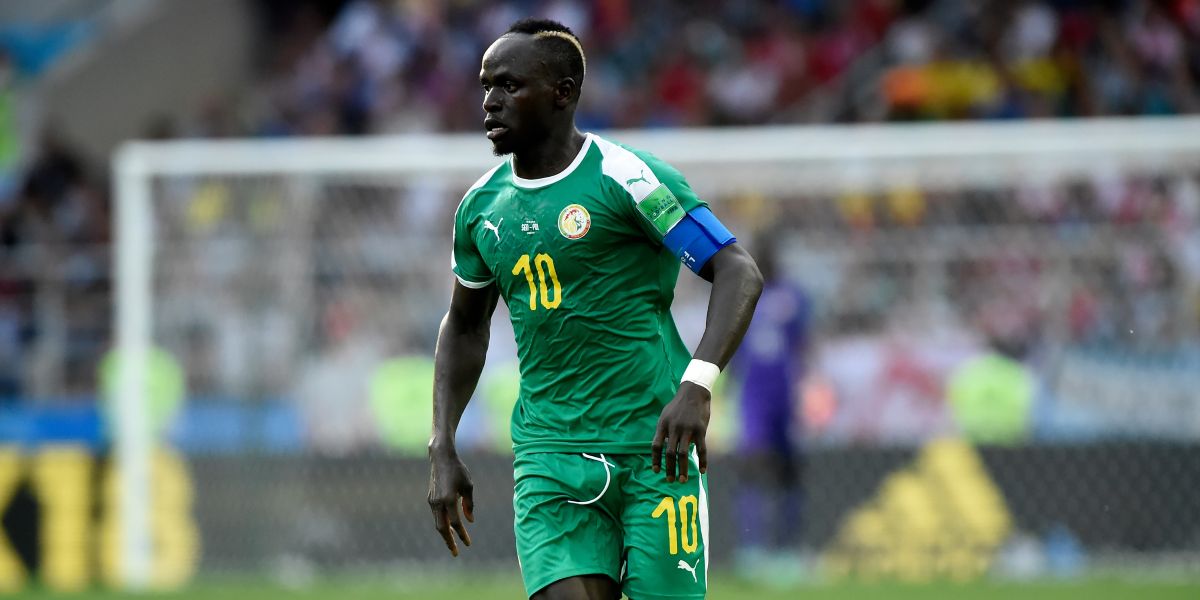
Senegal captain Sadio Mané played a decisive role in restoring order. He remained on the field, urging teammates to return and warning of the consequences of forfeiting the match.
Speaking later, Mané said he believed abandoning the final would damage African football more than any refereeing decision, a sentiment widely reported across international outlets.
Read also: Here is Foden’s Man City exit route
A penalty saved, a title decided
When play resumed, Díaz finally took the delayed penalty. He attempted a chipped finish down the centre, which goalkeeper Édouard Mendy saved comfortably.
According to post match analysis, the miss shifted momentum decisively. Senegal regrouped, steadied themselves, and took control in extra time.
Pape Gueye scored the winning goal with a long range strike, securing a 1 to 0 victory that was met with relief as much as celebration.
The cost of Rabat
The final whistle did not bring closure.
According to statements released by the Moroccan football federation, officials are considering formal complaints regarding the walk off and the extended interruption, citing CAF disciplinary regulations that prohibit leaving the pitch without authorisation.
CAF rules do allow sanctions for such actions, though legal experts quoted by African sports media note that retroactive disqualification after a completed match is rare.
Thiaw later acknowledged his error, saying he acted emotionally in the heat of the moment.
A night that reshaped the conversation
What was meant to be a defining celebration for African football instead became a case study in how quickly authority can unravel.
According to commentators and former officials, the Rabat final exposed weaknesses in VAR application, referee decision making under pressure, and touchline leadership.
Senegal remain champions, but the legacy of the night extends far beyond the scoreline. For CAF, Rabat is no longer just a venue, it is a reminder that credibility, once shaken, is far harder to restore than control during ninety minutes of football.
Sources: CAF regulations, post match referee briefings, international broadcast match reports, coach and player interviews