Rising political tension around the tournament
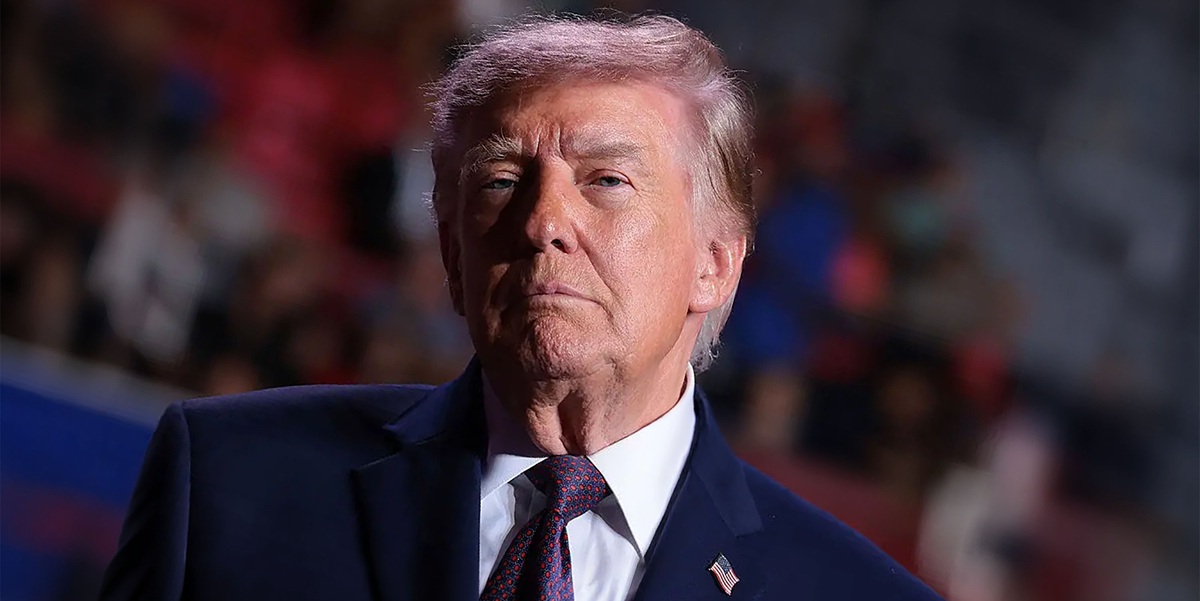
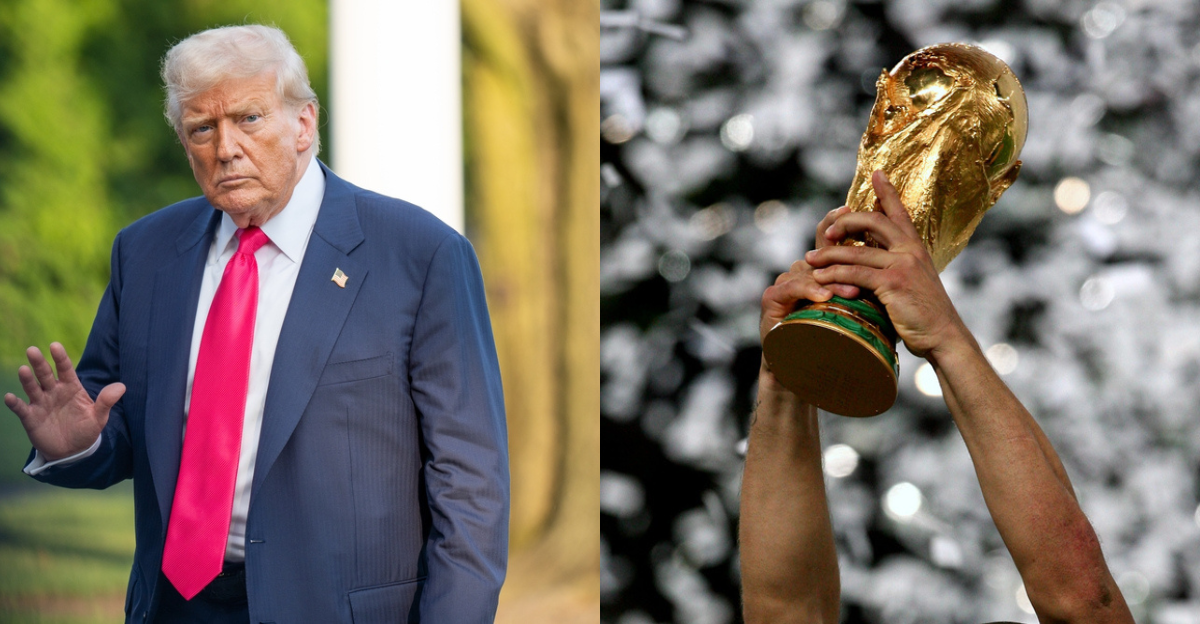
Questions have emerged across Europe about whether political disputes with the United States could spill over into football’s biggest event. The debate intensified after US President Donald Trump threatened trade tariffs against countries opposing his proposed purchase of Greenland, according to reporting by The Guardian.
Although the White House later softened its position, the episode prompted criticism from several European politicians and renewed discussion about whether the United States remains an appropriate host for major international sporting events. Media outlets, including The Guardian, reported that some lawmakers questioned participation in a US hosted World Cup if diplomatic tensions continue.
Within that context, attention focused on France and Germany, two of Europe’s most influential football nations, whose positions were closely watched as the debate gathered pace.
France dismisses calls for withdrawal
France was among the countries referenced during the diplomatic dispute. However, the French government has made clear it does not support the idea of staying away from the World Cup.
Read also: Phil Taylor comes out of retirement for stunning darts return
According to The Guardian, French sports minister Marina Ferrari said there was currently no intention within the ministry to pursue a boycott. She argued that international tournaments should not become tools of political pressure.
She stated,
“As it stands now, there is no desire from the ministry for a boycott of this great competition. Now, I will not anticipate what could happen, but I have also heard voices raised from certain political blocs.
I am one who believes in keeping sport separate from politics. The World Cup is an extremely important moment for those who love sport.”
Ferrari’s comments followed criticism from French MP Eric Coquerel, who suggested the United States should be stripped of hosting duties. He argued that holding the tournament in a country threatening territorial expansion undermined international law, according to The Guardian.
Germany leaves decision to football authorities
In Germany, boycott discussions surfaced earlier than in most European countries. Even so, the federal government has distanced itself from any role in determining participation.
Read also: ‘If you lie to me, I will leave’: Guardiola’s City warning takes on new weight
Christiane Schenderlein, Germany’s state minister for sport, told AFP that elected officials should not intervene in such matters. According to AFP, she said decisions regarding participation in major sporting events rest solely with sporting bodies rather than governments.
She stated,
“Decisions on participation or boycotts at major sporting events lie solely with the competent sports associations, not with politicians. This assessment should therefore be made by the respective associations, in this case, the German FA and FIFA.”
Her remarks underline Berlin’s position that responsibility for attending the 2026 World Cup lies with football authorities, not the political sphere.
Why France and Germany’s stance matters
As two of the most powerful voices within European football, France and Germany often shape wider sentiment inside UEFA and FIFA. Their reluctance to politicise participation suggests that, despite diplomatic tensions, a large scale European boycott remains unlikely at this stage.
Read also: Harry Kane’s Bayern future suddenly comes with a Tottenham escape route
While political debate around the tournament is expected to continue, the current signals from Paris and Berlin point toward engagement rather than confrontation as preparations for 2026 move forward.
Sources: The Guardian, AFP
Read also: ‘I’m not confident’: Red Bull chief delivers troubling verdict on Verstappen’s car