The Premier League’s financial power was on full display once again during the 2024/25 season, as clubs adopted vastly different strategies in the transfer market. Some prioritised sustainability and squad turnover, while others invested aggressively in pursuit of immediate success. The contrast between the league’s biggest spenders and its most cautious operators highlights just how varied modern recruitment approaches have become. Here is how all 20 Premier League clubs ranked by their overall transfer balance this season, starting from the most conservative and ending with the biggest outlay.
20. Bournemouth (+£112.5m)
Bournemouth sit bottom of the net spend rankings after a season dominated by major exits. Dean Huijsen’s move to Real Madrid and Milos Kerkez’s transfer to Liverpool generated significant funds during the summer. January then brought another major deal as Antoine Semenyo joined Manchester City. While the departures weakened the squad, the financial return was substantial. The club now has a strong platform to rebuild from.
19. Brighton & Hove Albion (+£57.1m)
Brighton once again demonstrated their ability to extract maximum value from player sales. The sale of Joao Pedro brought in a major fee, and the club showed restraint by not immediately reinvesting it. Instead, they trusted their recruitment pipeline and squad depth. This approach kept their finances in excellent shape throughout the campaign. Brighton’s model remains one of the league’s most admired.
18. Brentford (+£43.2m)

Brentford’s position reflects a summer of lucrative departures. Bryan Mbeumo and Matheus Cunha were both sold for large sums, while Yoane Wissa’s January exit added further income. The Bees also benefited from compensation following Thomas Frank’s move to Tottenham. Losing key attackers was a blow on the pitch, but the club protected its long-term stability. Financial discipline remained central to Brentford’s strategy.
Read also: Could FIFA legally remove the US as World Cup host?
17. Wolves (+£32.9m)

Wolves quietly recorded a healthy figure after selling Matheus Cunha to Manchester United. Rather than overspending to replace him, the club adopted a cautious approach. Spending remained controlled across both transfer windows. While results were inconsistent, Wolves avoided unnecessary financial risk. Their restraint stood out in a market defined by excess.
16. Chelsea (-£4.2m)
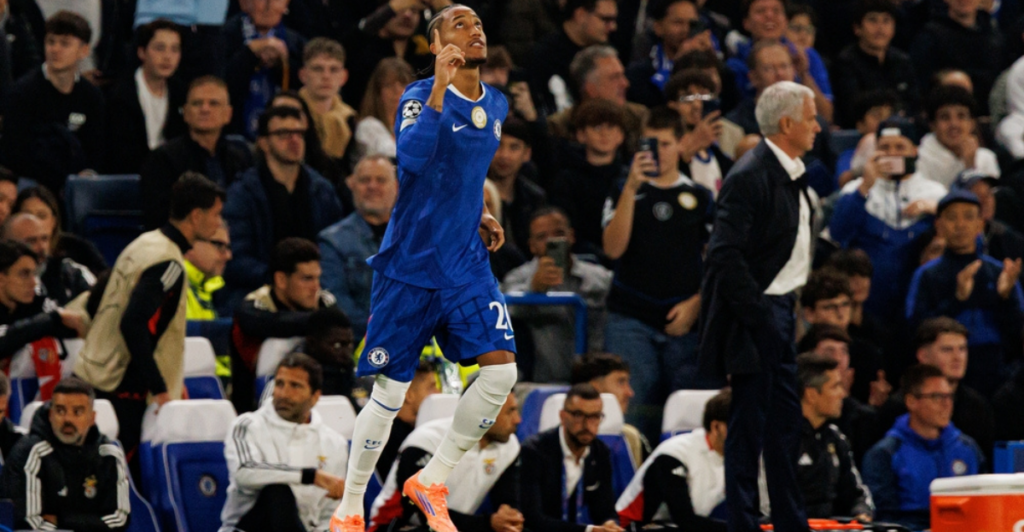
Chelsea’s position is one of the most surprising on the list. Despite another busy transfer cycle, the Blues finished the season close to breaking even. Significant sales helped offset the cost of several high-profile arrivals. It marks a notable shift from the club’s recent spending habits. Chelsea appear to be moving toward a more balanced long-term strategy.
15. Aston Villa (-£10.9m)

Aston Villa’s relatively modest figure underlines the impressive work of Unai Emery. Despite challenging near the top of the table, the club avoided major spending sprees. New arrivals failed to make a major impact, but the core squad continued to perform. Villa’s success owed more to coaching than recruitment. Efficiency was the theme of their season.
14. Crystal Palace (-£41.3m)
Crystal Palace’s campaign was shaped by the departures of Eberechi Eze and Marc Guehi. Those exits forced the club into action later in the season. Big-money January signings followed as Palace attempted to halt a slide down the table. The late spending tipped the balance against them. It was a reactive rather than proactive transfer strategy.
Read also: A career Grand Slam, and a new era: Why Carlos Alcaraz feels different
13. West Ham United (-£45.8m)
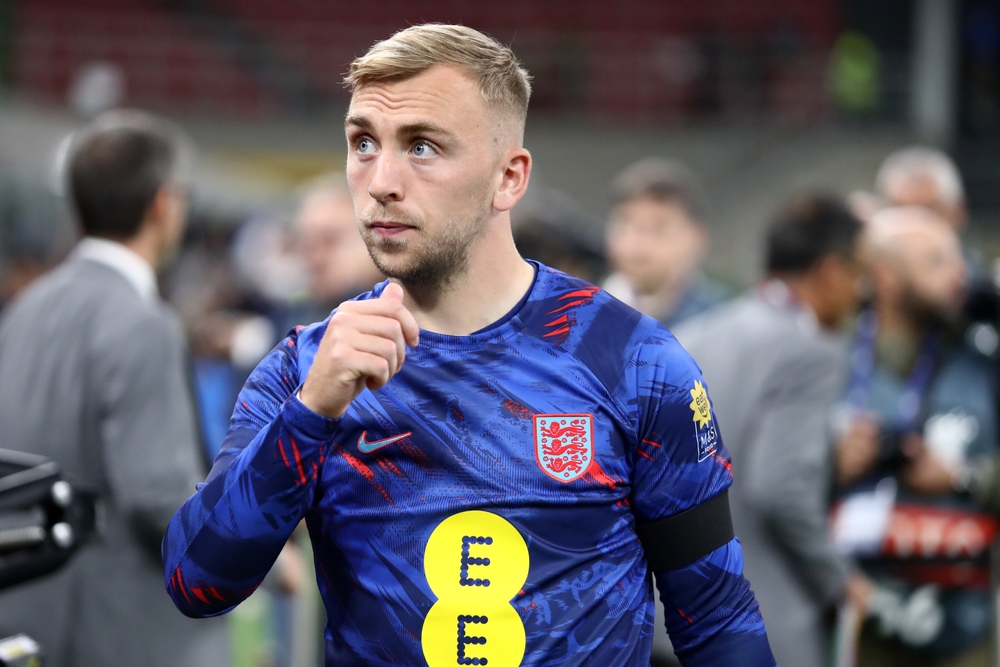
West Ham’s transfer balance was largely influenced by Mohamed Kudus’ move to Tottenham. While the sale brought in significant funds, the reinvestment failed to improve performances. Several new signings struggled to make an impact. The club’s league position suffered as a result. Poor recruitment decisions proved costly.
12. Fulham (-£48.7m)

Fulham were relatively quiet for much of the summer before late activity shifted their numbers. The signing of Brazilian winger Kevin was followed by a January move for Oscar Bobb from Manchester City. Those deals pushed the club further into negative territory. While the additions added depth, the timing raised eyebrows. Fulham’s business felt rushed rather than planned.
11. Burnley (-£80.8m)
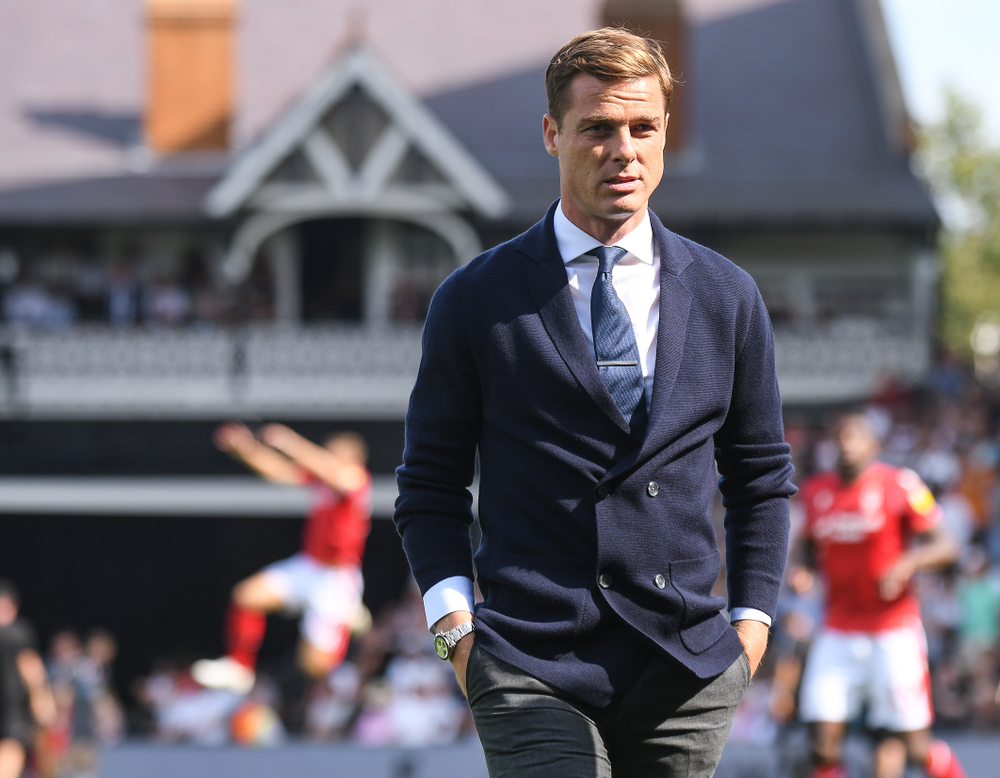
Burnley showed little hesitation in the transfer market. Heavy spending throughout the season pushed their overall balance sharply downward. Despite the investment, results failed to improve significantly. Survival now looks increasingly unlikely. Their approach highlighted the risks of spending without clear direction.
10. Newcastle United (-£88.8m)

Newcastle’s position was shaped by the record-breaking sale of Alexander Isak to Liverpool. Any financial relief was quickly erased by aggressive reinvestment. Nick Woltemade and Yoane Wissa arrived as the club looked to maintain momentum. Spending remained high throughout both windows. Newcastle showed no intention of slowing down.
Read also: Manchester United weigh risky move for Cristiano Ronaldo
9. Leeds United (-£90.4m)
Leeds knew significant investment was required to compete after promotion. The club backed Daniel Farke heavily in the market. New arrivals helped stabilise performances and lift them out of immediate danger. While costly, the spending appears justified so far. Survival remains the primary objective.
8. Nottingham Forest (-£96.3m)
Nottingham Forest surged up the spending rankings following heavy investment. Evangelos Marinakis delivered on demands for reinforcements ahead of the season. Despite the outlay, performances failed to improve consistently. Managerial changes followed as pressure mounted. The results did not match the spending.
7. Everton (-£101.1m)

Everton’s transfer business was headlined by the arrival of Jack Grealish. The England international made a strong early impression before injury disrupted his season. Beyond that, spending remained significant across the squad. Results were mixed, but ambition was clear. Everton once again rolled the dice.
6. Sunderland (-£138.7m)
Sunderland made a statement on their return to the Premier League. Significant funds were committed to strengthening the squad, with Granit Xhaka the standout arrival. The investment paid off with impressive performances. The Black Cats exceeded expectations throughout the campaign. Their spending looked calculated rather than reckless.
Read also: Sports minister calls Infantino “irresponsible”
5. Manchester United (-£152.4m)
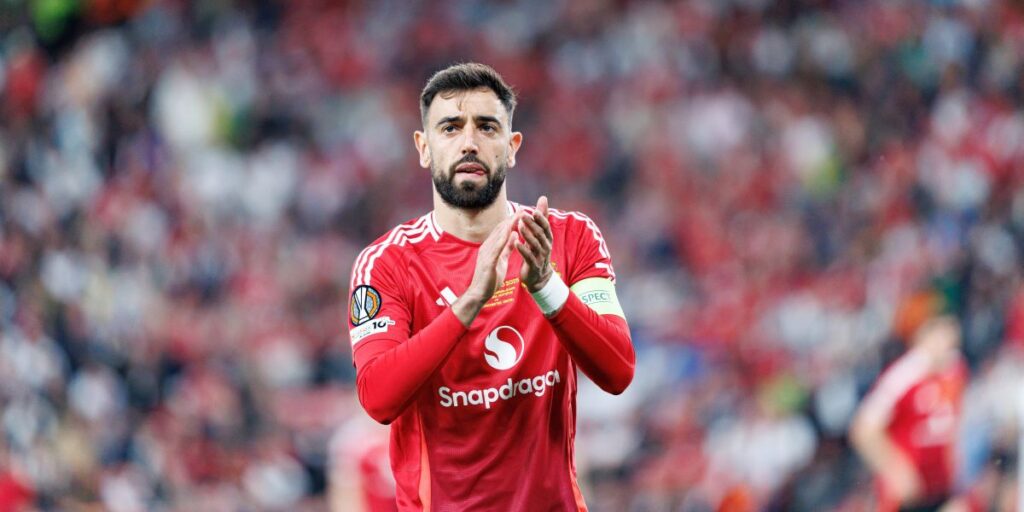
Manchester United’s transfer window followed a familiar pattern. Lengthy negotiations delayed deals before a late flurry of activity. The signing of Senne Lammens capped off another expensive campaign. Deadwood departures failed to keep pace with arrivals. United once again spent heavily without clear cohesion.
4. Tottenham Hotspur (-£158.1m)
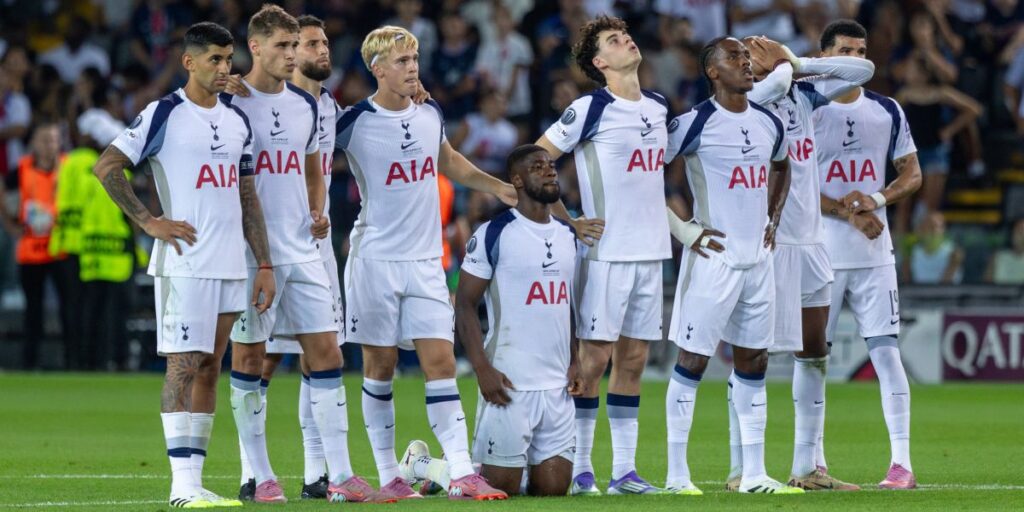
Tottenham backed Thomas Frank heavily after a disappointing domestic season. Big names arrived in an attempt to reset the project. However, performances failed to improve, and struggles continued. The investment did not bring immediate returns. Pressure remains firmly on the club’s direction.
3. Manchester City (-£172.2m)

Manchester City were relatively restrained in the summer before accelerating in January. High-profile additions strengthened key areas of the squad. The club’s spending reflected a desire to maintain dominance. Even so, City avoided the wild excess seen elsewhere. Their approach remained controlled but ambitious.
2. Liverpool (-£227.3m)
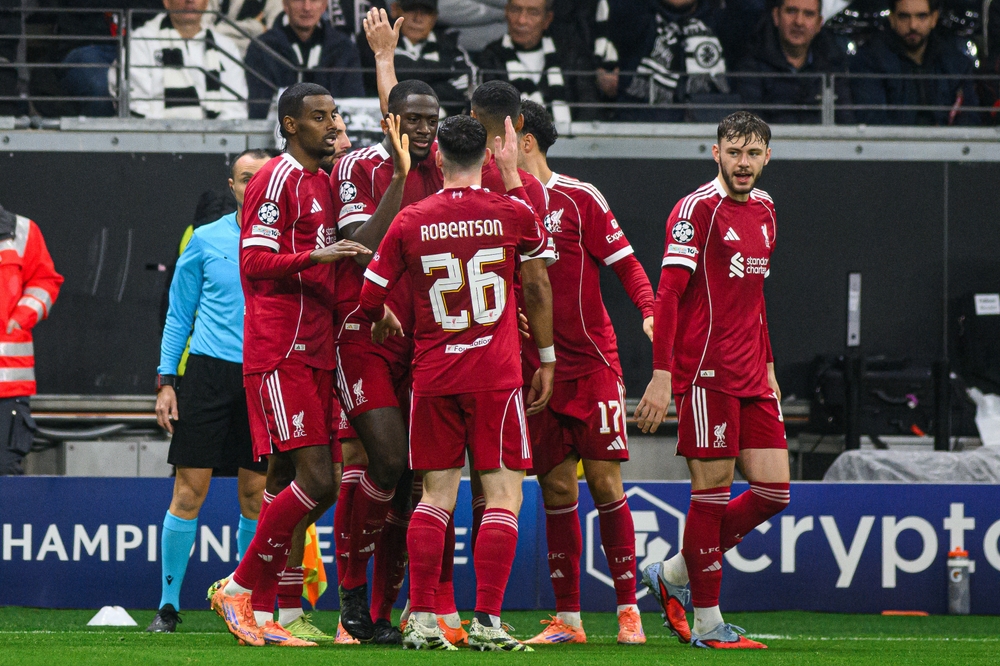
Liverpool moved from restraint to aggression in the transfer market. Despite selling key players, the club invested heavily to refresh the squad. The scale of spending was a clear statement of intent. Squad depth was prioritised across multiple positions. Liverpool showed no signs of standing still.
Read also: NFL chief predicts “great performance” from Bad Bunny
1. Arsenal (-£241.9m)
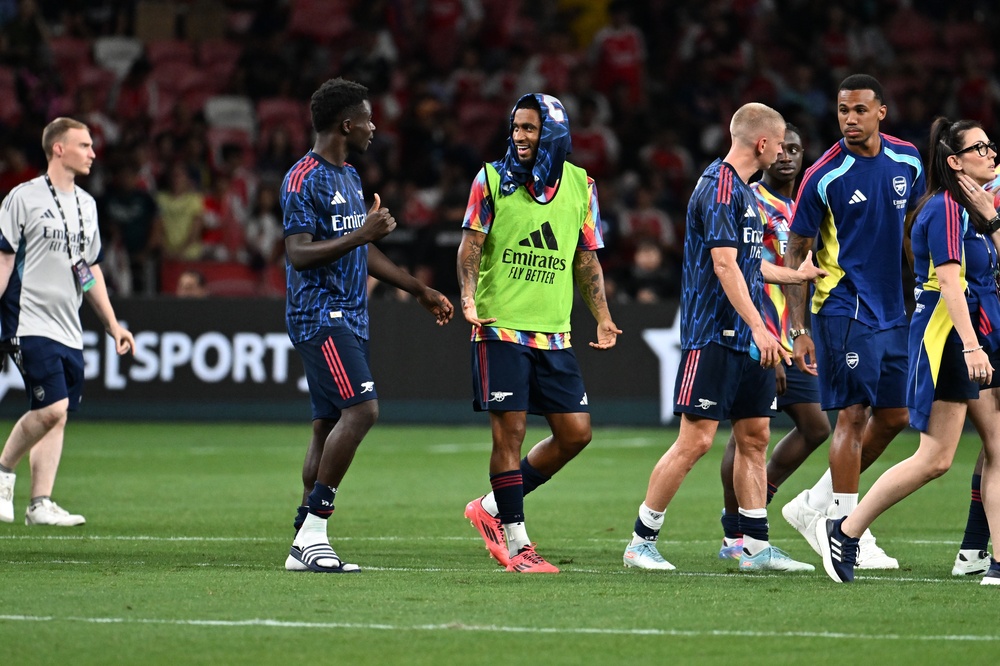
Arsenal top the net spend rankings after a season of major investment. The club pushed hard to strengthen a title-challenging squad. Unlike previous years, sales did little to offset spending. The ambition was clear from the outset. Arsenal made their intentions unmistakable.