Massachusetts is expected to welcome hundreds of thousands of visitors when the 2026 FIFA World Cup arrives in the United States, with several matches scheduled at Gillette Stadium in Foxborough. State and local officials have spent months preparing transportation, security and tourism plans for the global event.
At the same time, an unresolved political question hangs over the preparations: how an aggressive federal immigration enforcement strategy could intersect with one of the largest sporting events in the world.
President Donald Trump has made immigration enforcement a central focus of his administration, and his clashes with leaders in Democratic-led states have intensified in recent months. Massachusetts, which has policies limiting cooperation with certain federal immigration actions, has been among the states publicly criticized by the White House.
While no specific enforcement action tied to the World Cup has been announced, the tournament is scheduled to run from June 3 through July 9, 2026 a window that could draw heightened international attention to any federal-state confrontation.
Read also: Kylian Mbappe had just hit top form – now Real Madrid have a problem
Federal-state tensions
The friction largely centers on so-called sanctuary policies. Massachusetts law limits how local law enforcement can hold individuals solely on federal immigration detainers, a stance that has drawn sharp criticism from Trump and his allies.
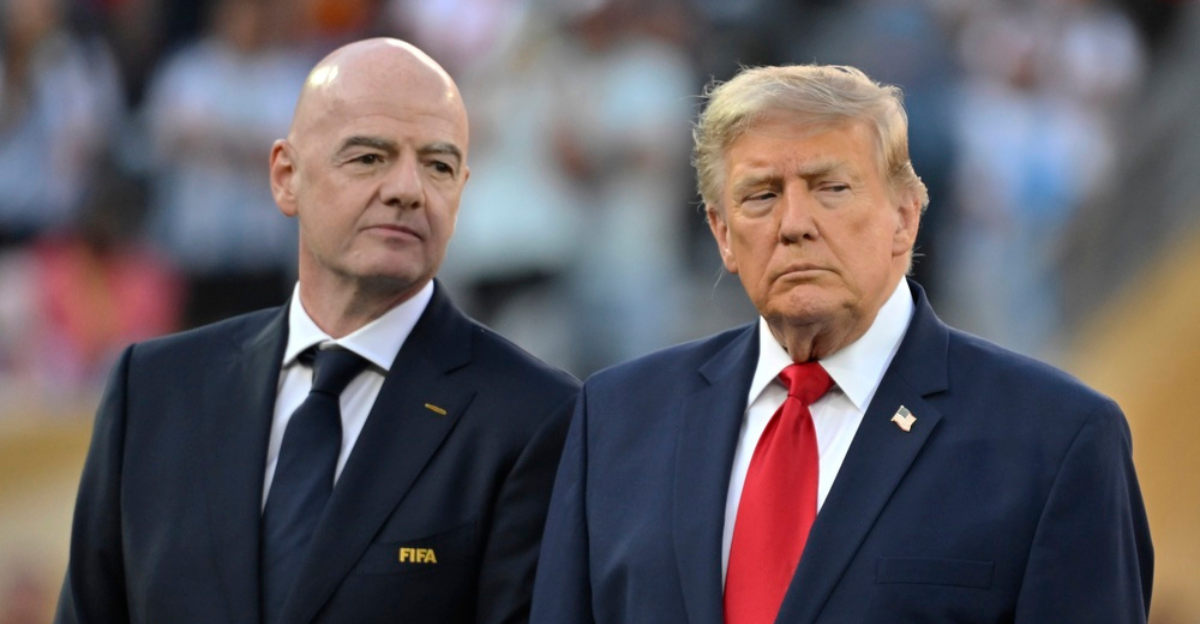
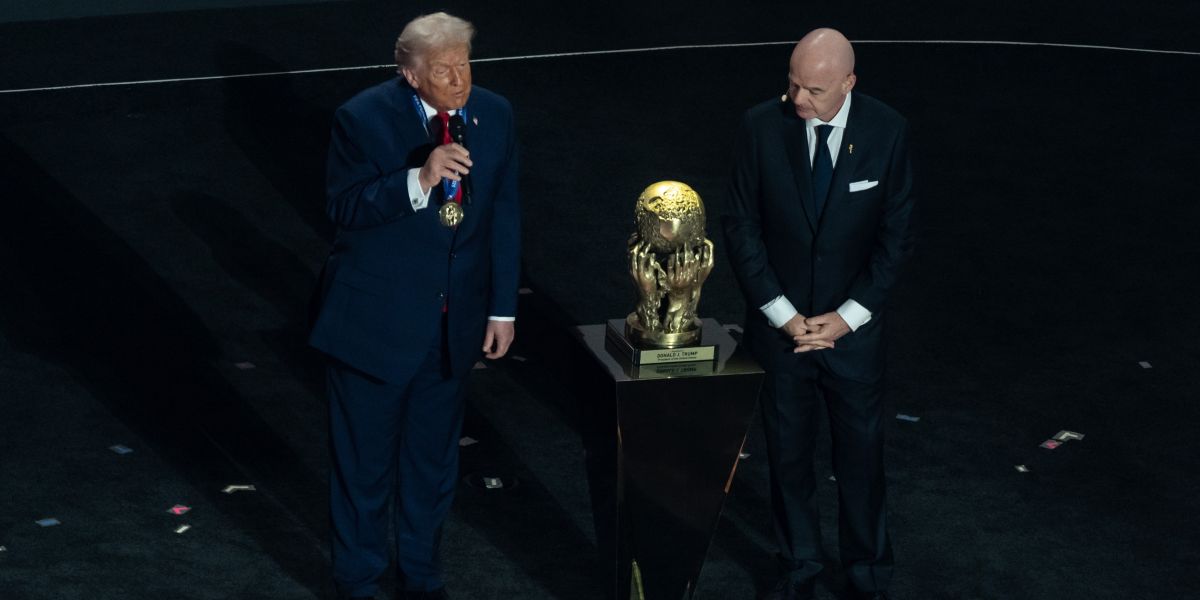
Speaking about the U.S.-hosted World Cup matches, including those in Foxborough, Trump said: “We could take them away.”
In separate remarks following a dispute with Boston Mayor Michelle Wu over immigration policy, Trump added: “I love the people of Boston, and I know the games are sold out. But your mayor is not good.”
The comments have fueled concern among some state officials and political observers about whether immigration enforcement actions during the tournament could create logistical or diplomatic challenges. Major international events typically require coordination between federal, state and local agencies on security, visa processing and crowd management.
Read also: Premier League boss breaks silence with damning Manchester City statement
Security experts note that large-scale sporting events depend heavily on predictable travel rules and cooperation among host governments. Sudden policy shifts or highly visible enforcement operations could complicate messaging to international visitors, though federal authorities retain primary jurisdiction over immigration enforcement.
Healey criticizes ICE leadership
Gov. Maura Healey has been outspoken in her criticism of federal immigration authorities. She has said Immigration and Customs Enforcement (ICE) shows “no respect for cities and states” and has called on agency leaders, as well as Homeland Security Secretary Kristi Noem, to step down.
Referring to recruitment incentives for ICE officers, Healey said: “They don’t respect law enforcement because they’ve got this group of rogue individuals who, I guess, take in the bounty of $50K.”
When asked what steps Massachusetts would take if federal enforcement activity intensified during the World Cup, Healey did not outline a specific contingency plan.
Read also: Kasper Schmeichel finds completely new path after football retirement
“Donald Trump’s got more to worry about right now. He’s got a failing economy. He’s got to step up and find ways to make life more affordable,” she said.
Her office did not provide additional detail on how the state would respond if immigration operations expanded during the tournament.
Planning amid uncertainty
FIFA has promoted the 2026 World Cup to be co-hosted by the United States, Canada and Mexico as a celebration of international cooperation. Massachusetts organizers have emphasized economic benefits, projecting significant tourism revenue for the Boston region.
Event planning typically spans years and involves coordination among municipal authorities, federal agencies and international governing bodies. Whether immigration enforcement becomes part of the public spotlight during the tournament may depend on decisions made in Washington well before kickoff.
Read also: Andy Murray reveals one major regret about Nadal and Djokovic
For now, no formal changes to match assignments or host-city arrangements have been announced. But the political backdrop ensures that preparations for the games are unfolding alongside a broader debate over immigration policy and states’ rights.
Sources: Public remarks by President Donald Trump and Gov. Maura Healey, FIFA tournament schedule information.
Read also: Manchester United told to ‘nick’ two Man City stars if relegation hits