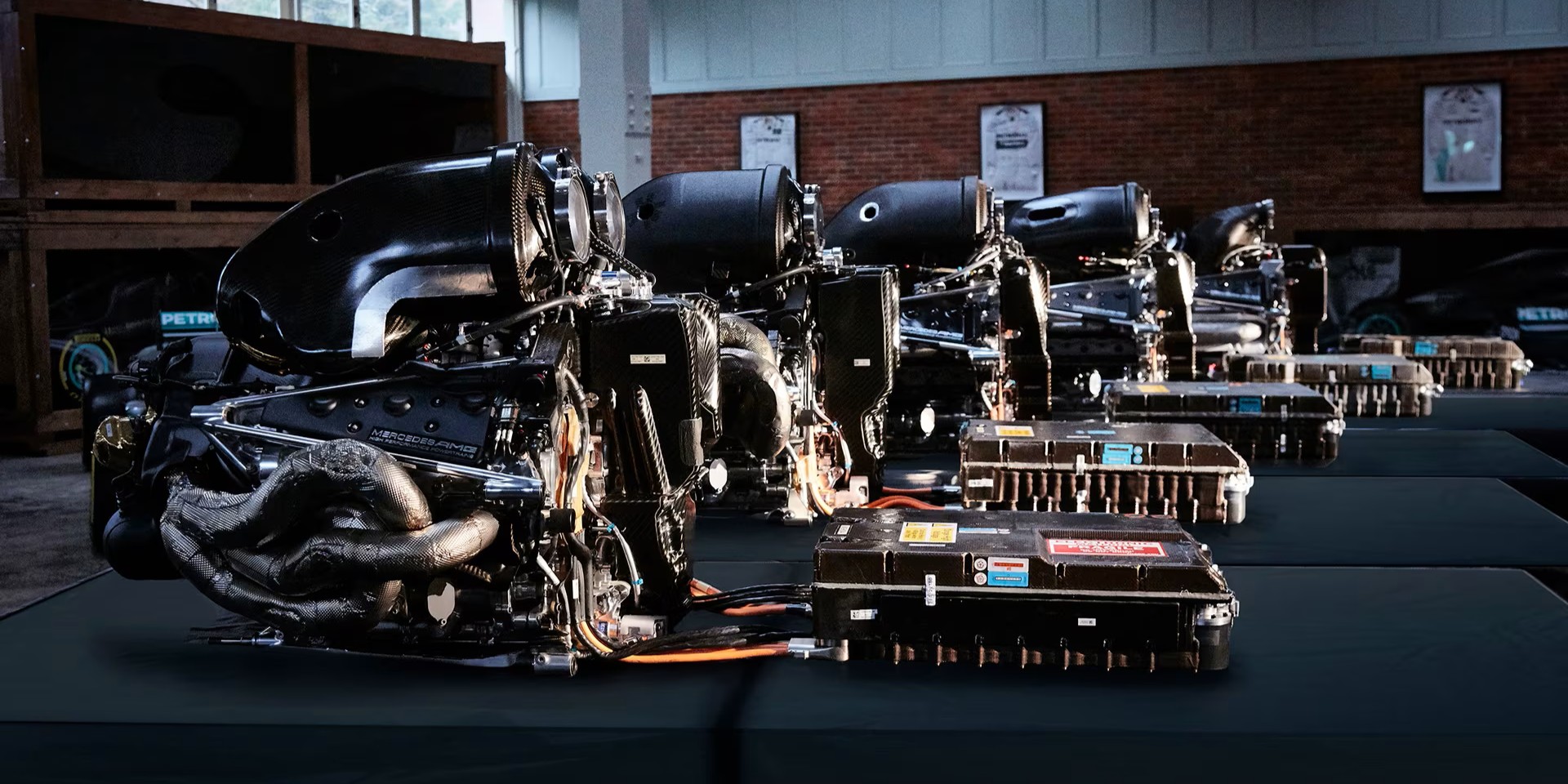
Engine rule adjustment
Formula 1’s technical regulations governing engine compression ratios are being clarified after discussions between the FIA and engine manufacturers. According to Motorsport IT, the change focuses on how compression ratios are measured when engines reach their normal operating temperatures during a race weekend.
Under the current regulations, Formula 1 engines are permitted to run a compression ratio of 16:1 when measured at room temperature. However, rival manufacturers have suggested that the Mercedes six cylinder power unit may reach significantly higher figures once the engine is fully warmed up.
According to Motorsport IT, some competitors claim the Mercedes engine could approach a compression ratio of around 18:1 when operating at racing temperatures. The allegation sparked debate within the paddock about whether the wording of the regulations allowed certain designs to effectively exceed the intended limits.
New tolerance introduced
Following negotiations between the FIA and the engine manufacturers, Article C5.4.3 of the technical regulations has been revised. According to Motorsport IT, the updated wording now prohibits any engine component from increasing the compression ratio beyond 16:1 during normal operating conditions.
Read also: Cristiano Ronaldo’s No. 7 given to new Portugal star after camp exit
Because measuring the ratio precisely at high temperatures can produce small variations, the governing body has also introduced a tolerance window. According to Motorsport IT, engines will be allowed to reach a maximum compression ratio of 16.7:1 when the oil temperature reaches 130 degrees.
The clarification aims to ensure that measurement procedures reflect real race conditions while maintaining a consistent technical limit for all manufacturers.
The adjustment also reflects the structure of the Formula 1 season. Teams are limited to three power units across a calendar of 24 grands prix, meaning each engine must typically last around eight race weekends.
Potential impact on Mercedes and rivals
Mercedes could respond to the clarification by adjusting the specification of its V6 power unit during the season. According to Motorsport IT, the team may introduce changes around the Monaco Grand Prix on June 7, when the second engine allocation is expected to debut.
Read also: ‘This isn’t great’: Havertz injury hands Arsenal a fresh concern
The use of Petronas sustainable fuel within the Mercedes power unit program could also require adjustments to the gasoline configuration to ensure the engine remains within the updated limits.
Other manufacturers may also seek technical changes if the revised measurement standard reveals a performance disadvantage. According to Motorsport IT, rival teams could request FIA approval to modify their engines if they can demonstrate a power deficit of around two percent.
If approved, such changes could receive authorization by the Belgian Grand Prix and potentially be introduced by the Hungarian Grand Prix on July 26.
Championship implications for the season
The compression ratio debate highlights how closely matched Formula 1’s current engine regulations have become. Even small technical interpretations can influence performance differences between manufacturers.
Read also: Nairo Quintana says goodbye and retires
Mercedes team principal Toto Wolff has already identified Ferrari as one of the main challengers in the championship battle. McLaren, which also runs Mercedes power units, continues to work on optimizing how its cars manage the hybrid system and engine performance during race weekends.
According to Motorsport IT, the clarification from the FIA is intended to ensure consistent enforcement of the rules while preventing any manufacturer from gaining an unintended advantage through technical interpretation.
Sources: Motorsport IT
Read also: Florian Wirtz caught in Liverpool dressing-room battle after Salah accusation