Why Russia is making these payments
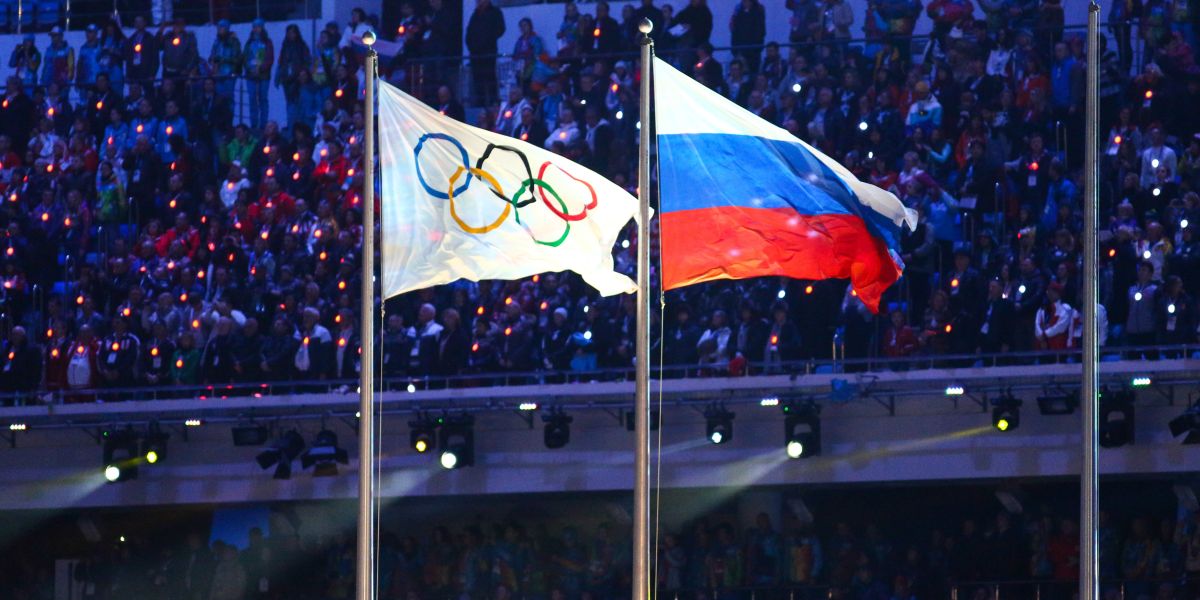
According to Harry Poole’s BBC Sport report, the Russian Olympic Committee says it will make cash payments to 116 athletes who were not allowed to compete at the Winter Olympics. Russian officials have presented the decision as a way to recognize athletes who were left out of the Games because of international restrictions, rather than anything connected to their sporting level or results.
The move also fits a wider message Moscow has been repeating for some time. Russian sports leaders have continued to argue that their athletes have been caught up in decisions driven by politics, while insisting they still want a full return to international competition under the Russian flag and anthem. That argument has run through much of BBC Sport’s related coverage and in broader reporting around Russia’s place in global sport.
How the Olympic rules kept Russia at a distance
According to the BBC Sport article, athletes with Russian or Belarusian passports have been barred from many international competitions since Russia’s full scale invasion of Ukraine in 2022. The wider background to that conflict is covered in BBC News reporting on the war in Ukraine, which explains the political setting behind the sporting bans and restrictions.
At the Winter Olympics in Milan and Cortina, only a small number of Russian athletes were approved to compete as neutrals. The article says 13 Russians were cleared under those rules, which allowed certain athletes to take part only if they met strict eligibility conditions. That meant Russia was still far from a full Olympic return, even if a narrow path remained open for selected individuals. More context on that limited Olympic presence also appears in this BBC Sport report.
Read also: Harry Kane’s Bayern future suddenly comes with a Tottenham escape route
A small presence, and one medal
The same BBC Sport report says Nikita Filippov was the only Russian athlete to win a medal at the Winter Olympics, taking silver in ski mountaineering. That detail matters because it underlines how small Russia’s footprint at the Games had become. Instead of arriving with a full team across multiple events, the country was reduced to a handful of neutral competitors, with only one reaching the podium.
That contrast is part of what gives the payment decision its political weight inside Russia. It is not simply about prize money. It is also about showing public support for athletes who, in the eyes of Russian officials, were denied the chance to compete on equal terms. Related BBC Sport coverage, including this report, adds to the picture of how closely Russia’s status in international sport is still being watched.
The Paralympic path has looked different
The article also notes that the Paralympic situation developed differently. Six Russian and four Belarusian athletes were allowed to compete under their national flags at the Winter Paralympic Games in March after the International Paralympic Committee lifted its suspension of the two nations in September. That marked an important shift, especially because it was the first time since 2014 that athletes from those countries were able to appear there under their own flags.
That does not mean the broader dispute has been resolved. It does, however, show that Olympic and Paralympic pathways have not moved in exactly the same way or at the same speed. That uneven picture is part of why this issue continues to generate attention well beyond medal counts and qualification lists. Another strand of that wider discussion appears in this BBC Sport article.
Read also: ‘I’m not confident’: Red Bull chief delivers troubling verdict on Verstappen’s car
The dispute Moscow wants to keep alive
Russia’s decision to pay excluded athletes is really about two things at once. On one level, it is compensation for competitors who missed what should have been the biggest stage of their careers. On another, it is a statement, aimed at both domestic audiences and international sports bodies, that Moscow still sees this as a fight over legitimacy, fairness, and recognition.
According to Harry Poole’s BBC Sport report, Russian officials say they are continuing to push for a full return to international sport. As long as that remains out of reach, these stories will keep resurfacing, not just as sports news, but as part of the larger fallout from the war and the continuing argument over who gets to compete, under what name, and on whose terms.
Read also: Man City hit back at Premier League with explosive accusation