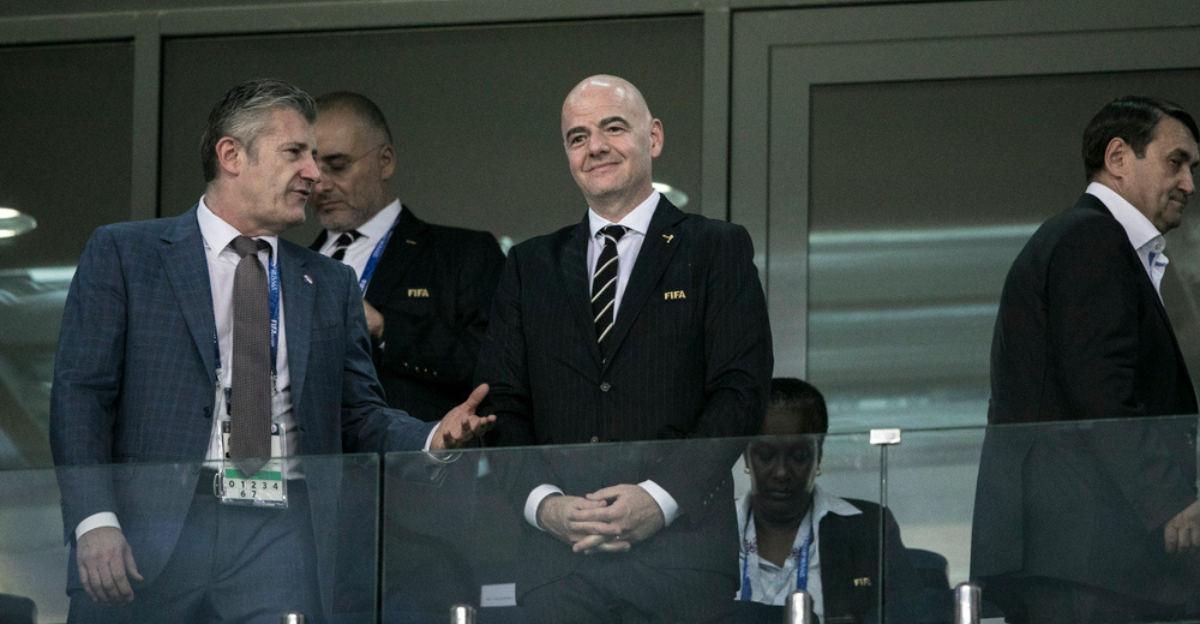
With just weeks to go before the 2026 World Cup, FIFA is facing growing criticism from supporters over changes to its ticketing system, with some fans accusing the organization of shifting the goalposts after sales had already begun.
At the center of the controversy is the introduction of a new, higher-priced ticket category one that appears to offer seats many believed were already included in earlier purchases.
Fans question value of early purchases
For months, concerns had been building around the cost of attending the tournament across the United States, Canada and Mexico. England supporters group Free Lions previously warned that following the national team could cost individuals as much as £6000, describing the pricing as “a slap in the face.”
Now, attention has turned from pricing alone to whether the ticketing system itself has been transparent.
Read also: Thierry Henry issues blunt warning over Liverpool’s £123m signing
New category raises concerns
According to reporting by The Athletic, FIFA recently began selling “Front Category 1” and “Front Category 2” tickets premium options located in the first rows of lower-tier sections.
These seats are being offered at significantly higher prices than standard tickets. In some cases, they cost roughly double what buyers previously paid for Category 1 access.
That shift has caused frustration among fans who believed the original Category 1 tier already gave them a chance to secure those same prime locations.
Seating expectations fall short
Initially marketed as the top ticket tier, Category 1 seats were associated with the best areas of the stadium, particularly lower-level sections. However, once exact seat assignments were confirmed, some buyers discovered they had been placed in less desirable positions, such as near corners or behind the goals.
Read also: Roy Keane goes nuclear on Man City after 114 guilty findings
Shortly afterward, the newly introduced front-row tickets appeared on sale prompting questions about whether the most sought-after seats had ever truly been part of the original allocation.
One example highlighted by The Athletic involved a match between Algeria and Austria in Kansas City, where second-row seats were listed at $900 each around twice the price some fans had paid earlier under the Category 1 label.
Supporters voice frustration
The situation has sparked a wave of criticism online, with fans accusing FIFA of misleading marketing practices.
New York-based supporter Andrew Swart, who spent $862.50 on a Category 1 ticket, told The Athletic: “FIFA doesn’t have any goodwill with fans. Our default assumption is that they’re doing something to be either underhanded or maximise profit.”
Read also: Here is Foden’s Man City exit route
Others have gone further, with some calling for legal action and describing their experience as deceptive. Reactions on social media range from claims of a “massive swindle” to broader accusations about governance within the sport.
No official explanation yet
FIFA has not publicly detailed why the additional ticket categories were introduced at this stage, or clarified how seating allocations were determined relative to earlier sales.
With demand for World Cup tickets remaining high, the controversy risks overshadowing preparations for what is set to be the largest tournament in the competition’s history.
Sources: The Athletic
Read also: Rodri breaks silence on Man City verdict with remarkable 2020 comparison
Read also: The wheelchair champion beat the sub-two-hour man, and London Marathon has its 2027 schedule