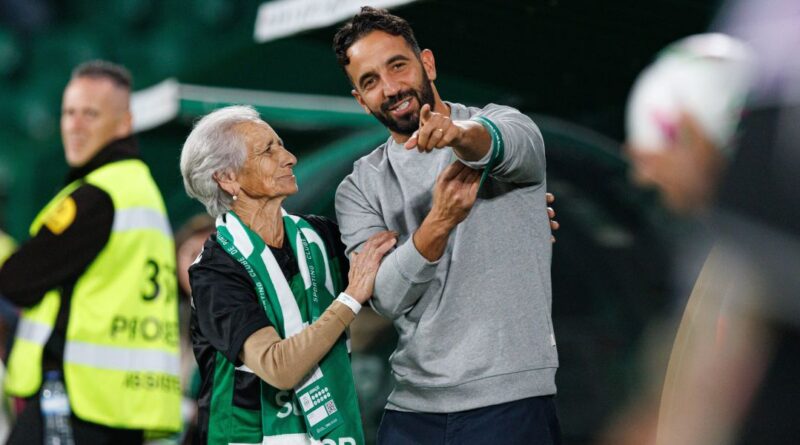
Amorim exit exposes internal fault lines
The exit of Rúben Amorim has shed light on deeper divisions within the club’s leadership structure, according to reporting by The Athletic. What initially appeared to be a standard managerial dismissal has since emerged as a wider clash over decision making power and long-term direction.
System dispute behind closed doors
According to The Athletic, Amorim’s refusal to alter his tactical system became a growing source of frustration among senior executives. Club leadership believed short term objectives required greater flexibility, particularly in response to results and squad balance.
Amorim, however, remained committed to his approach. He viewed the system not as a limitation but as a framework that maximized the strengths of his players and reflected his broader footballing philosophy.
Recruitment tensions escalate
The relationship further deteriorated over transfer strategy. The Athletic reported that Amorim felt increasingly marginalized during recruitment discussions, with key decisions made without his full input.
Read also: Norris backs Hamilton rebound ahead of new F1 era
The coach had pushed for proven Premier League experience, identifying Emiliano Martínez and Ollie Watkins as priority targets. Club executives instead favored a different profile, focusing on younger players with long term upside.
Diverging visions at board level
Rather than pursue Amorim’s preferred signings, the club approved moves for Senne Lammens and Benjamin Šeško. Those deals were internally framed as investments for future development rather than immediate impact, according to The Athletic.
The contrast between Amorim’s short term competitive aims and the board’s longer horizon planning widened the divide. Over time, that disconnect made the working relationship increasingly unsustainable.
A break shaped by governance
Ultimately, Amorim’s dismissal reflected more than tactical disagreements or individual transfer choices. It highlighted unresolved questions about authority, influence, and alignment between the technical staff and the club’s hierarchy.
Read also: FIFA’s only unranked nation plans return after six-year ban
As The Athletic outlined, the breakdown was gradual, structural, and rooted in conflicting priorities rather than a single defining moment.
Sources: The Athletic
Read also: Saudi interest returns around Fernandes