Bad Bunny faces possible penalties for ICE protest at Super Bowl
The Super Bowl halftime show occupies a unique position in global entertainment: a live performance watched by millions, governed by strict commercial rules, and scrutinised far beyond the music itself.
As speculation grows over whether this year’s halftime show could include political messaging from Bad Bunny, attention has turned less to what an artist is allowed to say and more to what they may be contractually bound not to do.
An outspoken performer on a controlled stage
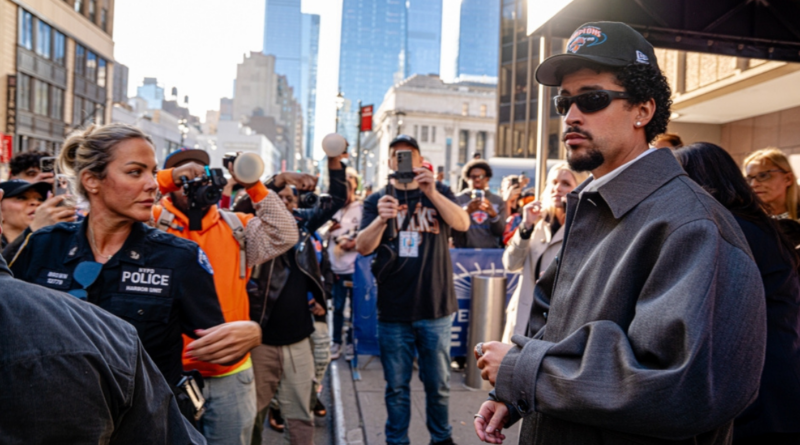
Bad Bunny, whose real name is Benito Antonio Martínez Ocasio, has repeatedly criticised US immigration enforcement and the policies surrounding it. The Puerto Rican artist has previously said he avoided touring parts of the US mainland, arguing that fans could face unnecessary risks.
Earlier this month, he used his Grammy Awards acceptance speech to reiterate his position, delivering remarks that quickly circulated online.
Read also: Barcelona weigh major sale amid transfer interest
“Before I say thanks to God, I'm going to say ICE out,” he said.
“We're not savages, we're not animals, we're not aliens – we're humans.”
Those comments followed renewed public attention on Immigration and Customs Enforcement after fatal incidents involving agency officers in Minnesota, which prompted protests and political debate.
Free speech versus legal exposure
According to reporting by SPORTbible, legal expert Fraser MacKinven a partner at UK law firm Burness Paull specialising in sports and entertainment said that political messaging alone would be unlikely to breach US law.
“If the protest just involves some political messaging, imagery or symbolism, then it is unlikely to break any laws,” MacKinven told SPORTbible, citing First Amendment protections for free expression.
Read also: Club hit with six-point deduction after breaching Premier League financial rules
He added, however, that legal consequences could arise if a protest were judged to be defamatory, to incite violence, or to contribute to injuries in the crowd. While such claims face a high legal threshold in the United States, they remain possible in extreme circumstances.
Why contracts may matter more than courts
MacKinven indicated that the more realistic risk for a halftime performer would likely come from contractual obligations rather than criminal prosecution.
Major events such as the Super Bowl typically involve performance agreements that tightly regulate content, behaviour and compliance with league standards. While such contracts cannot prohibit political expression outright, they can impose financial penalties if agreed terms are breached.
“If the artist breaches any terms of the contract, they may face a claim for damages financial compensation from the organiser,” MacKinven said, as reported by SPORTbible.
Read also: Newcastle decide Eddie Howe’s fate after Carabao Cup exit
NFL commissioner Roger Goodell has previously stated that the league does not expect political demonstrations during the halftime show, though the NFL has not publicly outlined how it would respond if that expectation were challenged.
A calculated risk on the biggest stage
For artists, the halftime show offers unmatched exposure but also limited room for improvisation. Any political statement, however brief, would be assessed not only for its message, but for its legal, financial and commercial implications.
SPORTbible said it has contacted the NFL for comment.
Sources: SPORTbible
Read also: “We will do it again if we have to”: Trump raises National Guard option before World Cup
Read also: Who could lose their F1 seat after 2026?