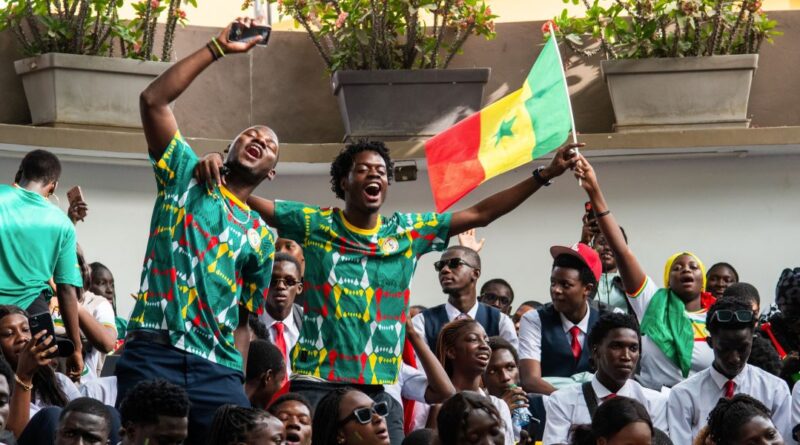
Chaos under the lights in Rabat as AFCON final spirals out of control
A final shaped by tension before kickoff
Long before the teams entered the pitch at Prince Moulay Abdellah Stadium, the atmosphere surrounding the final was already strained. According to reporting from CAF communications and regional sports media, the Senegalese Football Federation had formally complained about several aspects of the tournament’s organization.
Those concerns included security arrangements around the team hotel, access to suitable training facilities, and ticket distribution for Senegalese supporters. Moroccan organizers rejected the accusations, but the dispute added an edge to an occasion that was supposed to showcase African football at its best.
A cautious match with few clear openings
The final itself began cautiously, with both sides reluctant to take early risks. Senegal came closest before halftime when Iliman Ndiaye broke through on goal, only to be denied by a sharp save from Moroccan goalkeeper Yassine Bounou.
Morocco grew into the contest after the break. Ayoub El Kaabi squandered their best opportunity, failing to convert from close range after a well weighted delivery by Bilal El Khannouss. As the second half wore on, the intensity inside the stadium increased noticeably.
Read also: How Ballon d’Or winners judge the Messi–Ronaldo rivalry
A late decision that ignited controversy
The match appeared to turn in the 92nd minute. Senegal thought they had scored from a corner kick when Ismaila Sarr finished a rebound inside the box. However, referee Jean Jacques Ndala had already blown his whistle for a foul in the buildup.
Because the whistle came before the ball crossed the line, VAR was unable to intervene. Television replays later suggested the contact was minimal, a point that fueled angry reactions from Senegal’s bench and players.
Protest halts play and stretches patience
Moments later, the referee awarded Morocco a penalty following a prolonged VAR review at the opposite end of the pitch. That decision triggered an unprecedented protest. Senegal’s players left the field on instructions from head coach Pape Thiaw, refusing to continue in what they viewed as unfair circumstances.
Play was suspended for approximately fourteen minutes. According to local journalists present at the stadium, disturbances broke out in the stands and inside the press area, forcing security personnel to intervene. Only after sustained dialogue, led by captain Sadio Mané, did Senegal agree to return to the field.
Read also: Trump’s private text drags World Cup nation into nobel and Greenland storm
A missed penalty and a shift in momentum
When the match resumed, Moroccan midfielder Brahim Díaz stepped up to take the penalty. Attempting a delicate chip down the middle, he was denied by goalkeeper Edouard Mendy, who remained on his line and caught the ball.
The miss deflated the home crowd and appeared to swing momentum back toward Senegal as the match moved toward extra time.
A decisive strike amid exhaustion
The breakthrough arrived during extra time. Pape Gueye collected the ball in midfield, evaded pressure, and unleashed a long range strike from outside the penalty area that left Bounou with no chance.
Morocco pushed forward in the closing minutes, with Nayef Aguerd striking the crossbar late on, but Senegal held firm to secure a one nil victory and a second AFCON title.
Read also: Wirtz breakthrough fails to solve Liverpool’s deeper problems
A final that leaves unanswered questions
The fallout continued after the final whistle. CAF announced that it would review Senegal’s temporary walk off, the application of VAR protocol, and reported security failures at the venue.
According to CAF officials cited by regional broadcasters, disciplinary measures and formal findings are expected at a later date. Senegal depart with the trophy, but the events in Rabat have cast a long shadow over the tournament, raising broader questions about officiating standards, match security, and governance at the highest level of African football.
Sources: CAF, regional media reports
Read also: FIFA stands by its Peace Price decision to Donald Trump
Read also: Matthäus weighs in on Neuer future at Bayern and with Germany