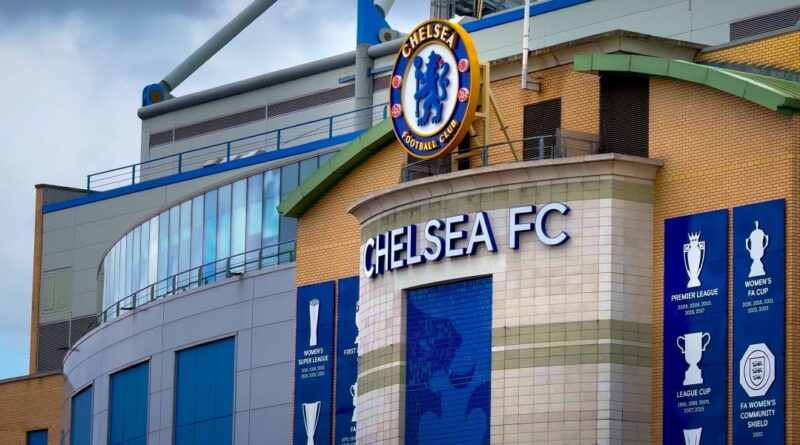
Chelsea face defining choice as Boehly lifts lid on stadium dilemma
Chelsea’s long association with Stamford Bridge has long been a source of identity, but it is also becoming a growing constraint. With elite clubs increasingly reliant on matchday revenue and modern facilities, the question of whether Chelsea can realistically stay put has resurfaced with new urgency.
According to Bloomberg Insight, Boehly has described the task of developing a stadium in London as far more complicated than projects undertaken elsewhere, pointing to the competing interests involved and the physical limits of the current site.
Stamford bridge and the limits of staying put
Chelsea have played at Stamford Bridge since the late nineteenth century, yet its capacity of just over 40,000 places the club behind many domestic rivals. While the stadium has been modernised over time, it remains one of the smaller grounds among clubs regularly competing at the top of the Premier League.
The surrounding area has proved to be a major obstacle to expansion. Residential streets, commercial properties and rail infrastructure tightly encircle the ground, leaving little room for large scale redevelopment. These constraints have repeatedly slowed or derailed efforts to significantly increase capacity.
Read also: Federer returns to Melbourne spotlight
Speaking to Bloomberg Insight, Boehly acknowledged the difficulty of balancing local concerns with the ambitions of a global football club, saying the process involves far more stakeholders than a project outside a major city.
Previous relocation plans that failed to progress
Chelsea’s leadership has explored alternatives before. According to previous reporting, the club examined a move to Battersea Power Station in 2012 during Roman Abramovich’s ownership. That proposal collapsed when the site was instead converted into residential development.
Several years later, Chelsea secured planning permission to transform Stamford Bridge into a 60,000 seat stadium, with designs produced by architects Herzog and de Meuron. Despite approval from both local authorities and the Mayor of London, the project was placed on hold in 2018 and has not been revived since.
Boehly indicated that those experiences have shaped current thinking, suggesting that building an entirely new stadium may ultimately be more realistic than further attempts to remodel the existing site.
Read also: Musiala edges closer to return as Bayern weigh timing over urgency
Ownership unity tested by long term decisions
Questions have also emerged about how aligned Chelsea’s ownership group remains as major strategic decisions approach. According to talkSPORT, tensions were reported last year between Boehly and Clearlake Capital co founder Behdad Eghbali over football operations and progress off the pitch.
Boehly has rejected claims of instability, insisting that shared objectives remain in place and that disagreements are part of managing a complex organisation. However, he acknowledged that stadium development represents a critical crossroads, as it requires long term commitment and consensus from all parties involved.
He suggested that alignment on infrastructure ambitions will play a decisive role in determining how the ownership partnership evolves, underlining how closely Chelsea’s future home is tied to its governance.
Sources: Bloomberg Insight, talkSPORT
Read also: Salah’s return forces key decisions for Slot as Liverpool’s schedule tightens
Read also: Roger Federer returns to court in Melbourne with win over Australian Open contender