Could the US get kicked out of hosting the World Cup after the Maduro capture drama?
A real world flashpoint is colliding with FIFA fears
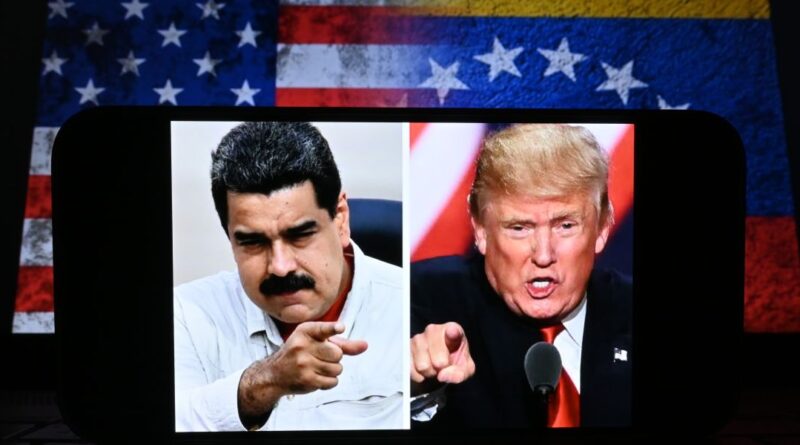
Online debate about FIFA’s power to sanction countries has surged after major outlets reported that the United States carried out a cross border operation in Venezuela that ended with President Nicolás Maduro and his wife, Cilia Flores, taken into US custody.
According to Reuters, the operation, described as “Operation Absolute Resolve,” involved US strikes and special forces activity in and around Caracas, and it has triggered urgent questions at the United Nations about legality and precedent.
What happened in Venezuela, according to reporting and public timelines
According to Reuters, US forces captured Maduro and Flores during the January 3 operation, following months of planning that involved US special operations forces and intelligence support, with Maduro later taken to the United States.
According to NBC News timeline coverage, the US described the action as a large scale strike that culminated in Maduro’s capture, after a period of escalating pressure and military activity tied to alleged drug trafficking claims.
Read also: Xavi snubs Chelsea as Barcelona quietly change transfer strategy
According to Wikipedia’s running account of the event, updated January 5, 2026, the raid is described as an invasion and an extrajudicial abduction, with Maduro and Flores moved to New York and legal proceedings expected in federal court. Wikipedia also flags the story as a fast moving current event, meaning details may change as more reporting and official records emerge.
Why this is suddenly being linked to World Cup hosting
The original viral discussion about World Cup hosting focused on the idea that, in extreme scenarios like violence against heads of state, FIFA could theoretically impose harsh sanctions on a member association, including suspension.
What changed is the context, this week’s Venezuela operation has made some fans argue that a headline grabbing political crisis involving the United States, even if unrelated to football, could test how far international governing bodies are willing to go when safety, governance, or reputational risk become part of the conversation.
What FIFA rules actually show in public documents
FIFA publishes its statutes and related legal frameworks, including disciplinary provisions, through its official legal resources.
Read also: Klopp linked with shock move that could test Liverpool legacy
In practice, FIFA suspensions and sanctions have historically been tied most often to football governance issues, and the organization’s decision making typically runs through formal bodies and procedures rather than instant reactions to online pressure.
No signs the 2026 hosts are changing
Even with intense scrutiny on the United States after the Maduro capture, there is no public indication from FIFA that the 2026 World Cup hosting arrangements are under review.
The bigger point is that linking geopolitical events directly to World Cup hosting requires multiple additional steps that have not happened, including a formal FIFA process, clear jurisdictional grounds under football governance rules, and a collective decision by FIFA’s leadership.
Sources: Reuters, NBC News, FIFA statutes and legal materials, Wikipedia
Read also: Rodrygo ready for Madrid exit as Premier League giants circle
Read also: Man United eye shock free transfer as Chelsea and Juventus circle elite goalkeeper