England return to classic look as World Cup kit prices fuel fan frustration
England have revealed their new home and away kits ahead of this summer’s tournament, with the launch quickly sparking discussion not only about design choices but also about affordability. According to BBC Sport, the Football Association’s partnership with Nike, reportedly worth £400m, continues to define both the look and cost of the national team’s merchandise.
Return to a more traditional design
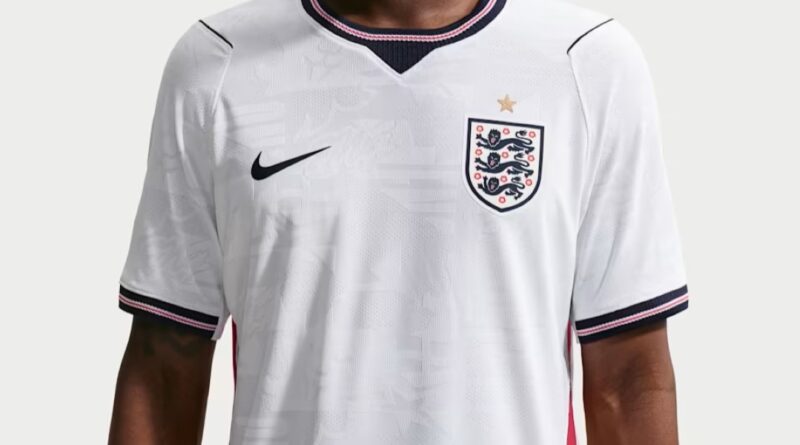
The new home shirt marks a clear shift back toward a simpler aesthetic. It features a plain white base, moving away from the multi-coloured St George’s Cross detail that drew criticism when introduced in previous designs. Inside the collar, the phrase "happy and glorious" appears, referencing the national anthem.
Nike described the shirt as a "modern all-white design that honours England's heritage", according to BBC Sport. A gold star above the crest remains, symbolising England’s 1966 World Cup victory.
The away kit also reflects a more familiar approach. It returns to a red shirt, replacing the purple used in recent years, and includes a centrally positioned badge paired with navy shorts. The overall direction suggests a deliberate move back toward recognisable national colours following earlier backlash.
Read also: Paul Scholes names one player who could stop Arsenal winning the Premier League
That backlash extended beyond football. Former Prime Minister Rishi Sunak previously said the St George’s Cross is a "source of pride" that should not be altered, while Sir Keir Starmer, then Leader of the Opposition, stated the flag "doesn't need to be changed", as reported by BBC Sport.
Rising costs put pressure on fans
While the design has drawn attention, pricing has become an equally prominent issue. According to BBC Sport, a full England kit for a child with a name and number can cost up to £122.98, while infant kits reach £64.99. Adult shirts with customisation are priced at £104.99.
For families, the total cost can quickly escalate. BBC Sport outlines that a household purchasing kits for two adults and two children could spend close to £400, underlining the financial strain placed on supporters wanting to engage with the tournament.
Industry analysis cited by BBC Sport suggests the gap between production costs and retail prices is significant. Manufacturing and shipping a replica shirt is estimated to cost around £8.50, with additional expenses bringing total costs to a fraction of the final retail price. The remaining margin is shared between manufacturers and retailers.
Read also: Sinner fights back to extend historic run in Miami
Brands defend pricing amid criticism
Nike has responded to concerns by emphasising the factors behind its pricing strategy. In a statement reported by BBC Sport, the company said: "We know that any price increase matters to fans, and we never take that lightly."
The brand added that prices reflect ongoing investment in product development, materials, and logistical costs.
There has also been a political response. Sports Minister Stephanie Peacock told BBC Sport: "It's a commercial decision and a matter for the FA, but I am sympathetic to fans' concerns and we do want people to think about affordability."
Supporters themselves have voiced mixed reactions. Nick Jones, a member of the England Supporters Travel Club, said the prices were not entirely unexpected but acknowledged the strain on household budgets, adding that rising costs are "hitting people's purses and wallets hard", according to BBC Sport.
Read also: Russia wants wounded soldiers to compete at Paralympic Games
Counterfeit market highlights affordability gap
As official prices climb, alternative options are gaining traction. BBC Sport reports that counterfeit kits are widely available online for as little as £10, often produced in the same regions as official merchandise.
Nick Jones noted that he does not blame fans for turning to cheaper alternatives, highlighting how central kits are to the matchday experience and to children in particular. The growing counterfeit market reflects a widening gap between official pricing and what many supporters feel able or willing to pay.
With the World Cup approaching, the Football Association and its commercial partners face increasing scrutiny. The challenge lies in balancing commercial success with maintaining a sense of accessibility, ensuring that supporting the national team does not become financially out of reach for many fans.
Sources: BBC Sport
Read also: Analysis: Salah's Liverpool farewell changes everything
Read also: 'Unbelievable' coach in 'pole position' for permanent Manchester United role