Fifa and IOC chiefs’ support for Russia’s return puts sport’s soft power under scrutiny
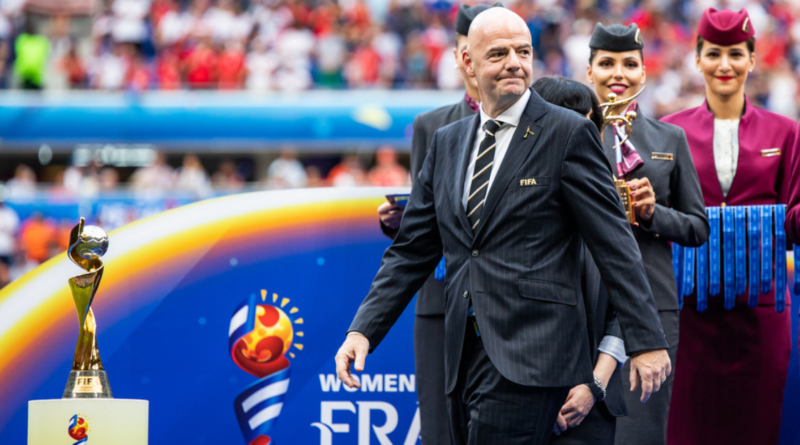
Fifa president Gianni Infantino has reignited debate over Russia’s exclusion from international sport, arguing this week that the ban “it has just created more … hatred.” Russia has been barred from Fifa competitions and the Olympic Games since its 2022 invasion of Ukraine.
In comments reported by The Guardian, Infantino questioned whether continued isolation is achieving its intended effect, as federations across global sport reassess their positions ahead of upcoming competitions.
The International Olympic Committee faces similar pressure as it prepares for the 2028 Los Angeles Games. According to Reuters, IOC president Kirsty Coventry said sport should serve as a “neutral ground” where athletes can “compete freely, without being held back by the politics or divisions of their governments.”
That principle separating athletes from state policy has long underpinned Olympic governance. But critics argue neutrality is rarely perceived as neutral when war is ongoing.
Read also: Arsenal’s 15 highest paid stars revealed in 2026 wage list
Political Crosscurrents
Major sporting events have frequently intersected with geopolitics, sometimes despite official claims of independence.
Russia’s 2014 Winter Olympics in Sochi were promoted as a showcase of national revival. In the years that followed, investigations by the World Anti-Doping Agency detailed a state-backed doping scheme linked to the Games, and Russia annexed Crimea soon after the closing ceremony. Sports governance scholars have since cited Sochi as an example of how mega-events can amplify state power rather than dilute it.
Historical precedent cuts both ways. International sporting bodies isolated apartheid-era South Africa for decades, and Yugoslavia faced bans during the Balkan wars of the 1990s. Supporters of sanctions point to those cases as evidence that exclusion can signal international condemnation, even if political outcomes remain difficult to measure.
Governance and Credibility
The current debate also unfolds against lingering governance concerns.
Read also: Thierry Henry: ‘Enough is enough’ after alleged racist abuse of Vinicius Jr
In 2015, U.S. prosecutors unsealed indictments against senior Fifa officials on charges including fraud and racketeering, triggering sweeping leadership changes and reform pledges. While Fifa says it has strengthened oversight mechanisms since then, a report published last year by a group of academics and governance experts argued that transparency and accountability reforms have stalled.
Fifa has also faced sustained criticism over labor conditions linked to the 2022 World Cup in Qatar. In 2024, it declined to create a migrant worker compensation fund despite recommendations from its own human rights advisory body a decision condemned by advocacy organizations.
The IOC, meanwhile, has introduced ethics reforms over the past two decades following bribery scandals tied to host city bidding, though critics say questions about transparency persist.
Given that record, decisions about Russia’s participation will inevitably be viewed through a broader lens of institutional credibility.
A Test of Neutrality
Supporters of lifting the ban argue that isolation entrenches hostility and that individual athletes should not bear responsibility for state actions. They contend that engagement, even during conflict, preserves channels of dialogue.
Opponents counter that participation in globally televised competitions confers legitimacy. With fighting in Ukraine continuing into its fourth year, they argue, readmission would send a political signal intended or not.
The choice will not be interpreted in a vacuum.
While federations frame their policies in procedural terms, individual figures in sport have spoken more directly about the human costs of conflict. Manchester City manager Pep Guardiola, in recent public remarks, highlighted the toll of wars in Ukraine, Sudan and Palestine, urging greater moral clarity from global institutions.
Read also: Has VAR gone too far?
For governing bodies responsible for multibillion-dollar tournaments, the stakes extend beyond symbolism. Broadcast contracts, sponsor relationships and diplomatic considerations all intersect with claims of neutrality.
As qualification cycles advance for upcoming football and Olympic competitions, sport’s leaders confront a question that has shadowed the industry for decades: whether neutrality is a defensible principle in times of war or whether, in practice, it becomes a position of its own.
Sources: The Guardian, Reuters
Read also: French skaters hit back after ‘rigging’ storm at Winter Olympics