Gerard Piques’ most controversial idea: Should 0–0 draws be punished to save football?
The proposal that sparked the debate
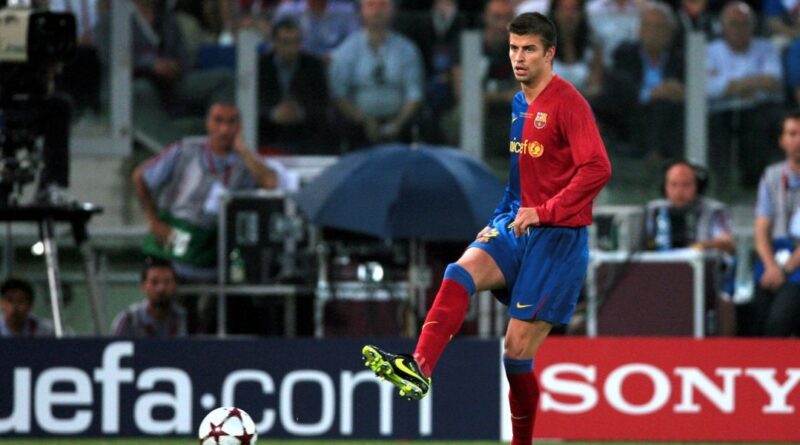
Gerard Piqué has suggested a radical change to football’s points system, arguing that goalless draws encourage overly defensive tactics and reduce entertainment. According to Gerard Piqué, speaking publicly about the idea, matches that end 0–0 should award zero points to both teams, while scoring draws would still give each side one point and wins would remain worth three.
The former Barcelona defender believes this would push teams to attack more, especially late in matches, and reduce situations where both sides appear content to settle for a draw without taking risks.
Why the idea sounds attractive
The proposal directly targets ultra defensive football, particularly from underdog teams that aim to secure a single point rather than pursue a win. According to commentary surrounding Piqué’s remarks, removing the safety net of a goalless draw could make final stages of matches more open, with teams forced to chase goals instead of protecting the scoreline.
Fans would also likely see fewer matches where the tempo drops early and both sides appear satisfied with a 0–0 outcome, which is often criticised as lacking spectacle.
Read also: Manchester United Could Shock Fans By Cashing In On Bruno Fernandes This January
Why it could backfire
Not all 0–0 draws are dull or negative. Some are intense tactical contests defined by elite defending, goalkeeping, and game management. According to many coaches and analysts who have discussed similar proposals in the past, a disciplined draw against a stronger opponent can be a legitimate and hard earned result.
The rule could also disproportionately punish weaker teams or those facing elite opposition, where attacking freely may be unrealistic. Late game desperation could encourage reckless play, reducing tactical balance and potentially lowering overall match quality rather than improving it.
There is also the risk that teams would adapt without truly changing behaviour, playing cautiously for most of the match and only gambling in the closing minutes.
The deeper issue behind entertainment concerns
The debate highlights a broader problem that goes beyond points systems. According to long standing analysis of the modern game, football’s entertainment challenges are often linked to fixture congestion, player fatigue, financial inequality between clubs, and the short term pressures faced by coaches.
Read also: Shock injuries, fiery derbies and a season on the brink as La Liga explodes back into action
These structural incentives encourage caution regardless of how points are allocated, meaning a scoring based punishment may address symptoms rather than causes.
A measured way forward for football
Piqué’s idea is bold and valuable in that it forces football authorities to confront uncomfortable questions about incentives and spectacle. However, removing points for 0–0 draws appears too blunt to apply universally.
A more balanced approach could involve trialing the rule in youth tournaments or lower tier competitions, while focusing at the top level on refereeing consistency, stricter enforcement against time wasting, and competition formats that reward ambition without punishing legitimate tactical outcomes.
Sources: Gerard Piqué public comments, football governance debates reported by international sports media
Read also: The trade nobody saw coming and the chaos that followed, how 2025 turned the NBA upside down
Read also: Sudan’s unlikely football joy as war tears the country apart