Greenland athletes race under Denmark as political debate grows
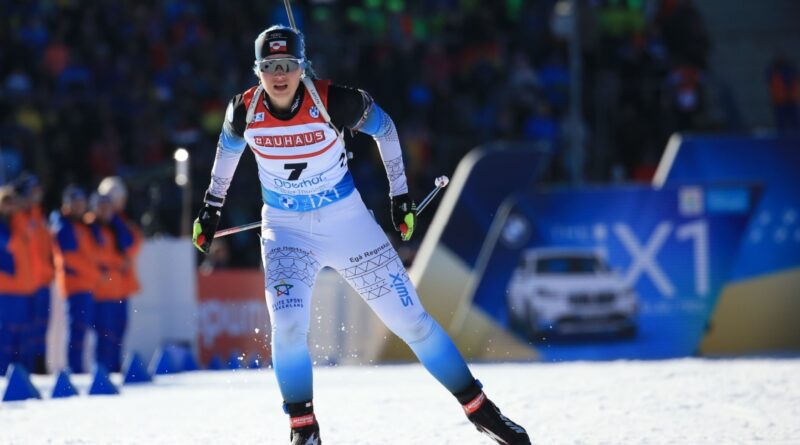
Snow fell lightly over the biathlon course in northern Italy as Ukaleq Slettemark completed her 15km race in Milan-Cortina. Her 52nd-place finish will not alter the medal table. But for Greenland population roughly 55,000 her presence at the Winter Olympics carries weight that statistics cannot measure.
“So of course, if there’s only one Greenlandic person everyone knows, I’m happy to defend my country and show people who we are and where we are on the map,” Slettemark told The Guardian after the race.
She and her brother, Sondre Slettemark, are the only athletes from Greenland competing at the 2026 Games, which opened February 6 across Milan and Cortina d’Ampezzo. Nearly 2,900 competitors from more than 90 nations are participating in 16 days of winter sport.
They are representing Denmark.
Read also: Mike Tyson becomes face of Trump’s food policy push
Why Greenland Has No Olympic Team of Its Own
Under longstanding International Olympic Committee rules, recognition is granted only to independent sovereign states. Greenland governs many of its internal affairs but remains an autonomous territory within the Kingdom of Denmark. As a result, its athletes compete under the Danish flag.
The IOC’s policy has shaped Olympic participation for decades. Some non-sovereign territories such as Puerto Rico and Hong Kong — have separate Olympic committees due to historical arrangements predating current recognition rules. Greenland does not.
That technical distinction has drawn renewed attention this year amid political rhetoric surrounding the Arctic island.
U.S. President Donald Trump has previously said the United States should acquire Greenland for strategic security reasons. The comments unsettled officials in Greenland and Denmark and revived debate about the island’s geopolitical importance.
Read also: The 13 highest-paid international managers in world football
A Global Stage, A Political Undercurrent
The Olympics have long served as a stage where politics and sport intersect. While Norway currently leads the medal standings and host nation Italy has amassed the largest overall total, conversations in Milan-Cortina have at times drifted beyond podium finishes.
Nivi Olsen, Greenland’s minister for sport, culture, education and church, traveled to Italy with a small delegation to support the athletes.
“Life is very difficult in Greenland. People are afraid. I think that Trump is crazy," Olsen said.
"I know it is a tough thing to say, but you can’t buy people, you can’t buy a country, there are people who live in Greenland, Greenland is our home, so we can’t understand Trump, we can’t understand how he can do what he does.
Read also: De Jong: ‘It’s a scandal’ after disallowed goal
"But also we have hope. I can see the hope in people. And we stand together. And we fight together for our country.”
For now, Greenland’s Olympic ambitions remain tied to Denmark’s flag. But for the athletes competing here, visibility itself is a form of representation a reminder that even without formal recognition, identity does not disappear beneath another nation’s colors.
Sources: The Guardian, International Olympic Committee
Read also: Doctor shares image of Lindsey Vonn’s fracture
Read also: Rodri’s “Mentality” Warning Echoes as Arsenal Drop Points at Brentford