Guardiola’s former pupil under pressure at the Bernabeu
A career shaped by contrasting mentors
For readers less familiar with football’s coaching landscape, Xabi Alonso spent nearly two decades as a midfielder under several of the sport’s most influential managers. These figures shaped the foundations of his future coaching style.
At Liverpool, he played for Rafa Benitez, known for his systematic planning and detail oriented preparation. Later, at Real Madrid, Alonso worked under managers with sharply different philosophies, including Manuel Pellegrini’s patient, possession play, Jose Mourinho’s confrontational, results-first approach, and Carlo Ancelotti’s calm man-management.
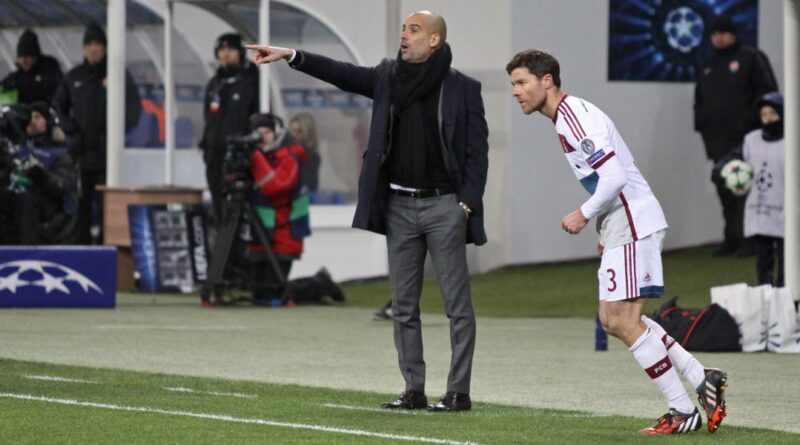
His final years as a player came at Bayern Munich under Pep Guardiola, one of modern football’s most transformative tacticians. Guardiola later remarked publicly, according to AFP, that “Every single coach who ever had the marvellous pleasure of training Xabi as a player knew without any doubt that he'd become a coach.” Alonso described that experience as unusually intense, saying he “learned so, so much” during those seasons.
For people outside the sport, this background is significant because coaching in elite European football is less about drawing plays on a board and more about managing egos, maintaining authority, navigating club politics, and responding to relentless scrutiny.
Read also: Barcelona mark Champions League homecoming with drama on and off the pitch
Early managerial rise and the shift to Madrid
According to Goal, Alonso’s early success as a manager at Bayer Leverkusen quickly elevated expectations. His team ended Bayern Munich’s eleven-season run as German champions and lifted the domestic cup, achievements that positioned him as one of Europe’s most coveted young coaches.
But Real Madrid, one of the most commercially powerful and politically complex clubs in global sport, represents a dramatically different environment. Unlike Germany’s more structured club cultures, Madrid is shaped by rotating presidents, superstar players with enormous influence, and a fanbase that expects trophies every season.
Arriving into that pressure cooker, Alonso inherited not only a talented squad but also long standing internal tensions. Madrid is known for its demanding atmosphere, and even successful managers have rarely lasted long.
The Vinicius dispute and the widening cracks
Alonso’s current situation has been complicated by a high profile disagreement with star forward Vinicius Junior, a key figure in Real Madrid’s attack and one of Brazil’s most recognizable athletes. The tension reportedly began during the Club World Cup and resurfaced after a controversial substitution in a match against Barcelona.
Read also: Fifa chief faces neutrality complaint over support for Trump
Vinicius later issued a public apology “to all Madridistas, my team-mates, the club and the president,” according to The Athletic, but notably did not mention his coach. That omission drew attention in the Spanish press, where symbolic gestures hold significant weight.
Press conference questions before Madrid’s match against Manchester City repeatedly returned to the issue. When asked whether he regretted removing Vinicius during the rivalry match known as El Clasico, Alonso replied, “It was a decision in the moment and now we’re in another moment.” For context, even minor disagreements in clubs of Madrid’s stature can expand quickly because of media pressure, social media scrutiny, and the political significance of star players.
According to The Athletic, tension extended beyond this single conflict. Alonso implemented punctuality standards and increased training intensity after staff noted declining discipline in previous seasons. These changes frustrated some senior players accustomed to Carlo Ancelotti’s lighter, more delegating approach. One source quoted by the outlet said, “He thinks he’s Pep Guardiola, but for now he’s just Xabi,” illustrating the discomfort within sections of the squad.
A club defined by contradiction
To understand why Alonso’s position is precarious, it helps to appreciate the contradictions that define Real Madrid’s culture.
Read also: La Real aims to close the year with a shift at Anoeta
The club has repeatedly dismissed managers who won major trophies, including La Liga titles and Champions League campaigns. According to Reuters, even iconic figures such as Vicente del Bosque and Fabio Capello were removed shortly after winning championships. Real Madrid often cycles between strict disciplinarians and relationship-focused managers, reflecting ongoing uncertainty about what type of leadership best suits its constellation of star players.
Former captain Sergio Ramos once summarized the club’s unwritten rule by saying, “Respect is earned, it is not imposed.” His words captured a sentiment long present in the dressing room, one that complicates attempts by newer or more demanding coaches to establish authority.
Within this context, Alonso now faces a dilemma many outsiders might associate more with politics than with sports: how to lead a group of highly paid global stars whose influence may rival that of their manager.
The broader significance of Alonso’s struggle
Rather than asking what will happen next, the more meaningful question is what Alonso’s experience reveals about modern elite football. His situation highlights how managerial success depends not only on tactical skill but also on navigating power structures, public expectations, and locker-room dynamics that can shift overnight.
Read also: Inter Miami weighs new Suárez deal as Nacional hopes for emotional return
As Real Madrid prepare for a critical stretch of the season, Alonso finds himself operating inside one of the sport’s most demanding ecosystems. Whether he stabilizes the situation or becomes the latest coach consumed by the club’s internal pressures, his story underscores the fragile balance between authority and personality at the highest levels of football.
Sources: Reuters, AFP, The Athletic, Associated Press
Read also: Ac Milan move for Liverpool’s Alisson gains early momentum