How Ousmane Dembélé finally fulfilled his potential
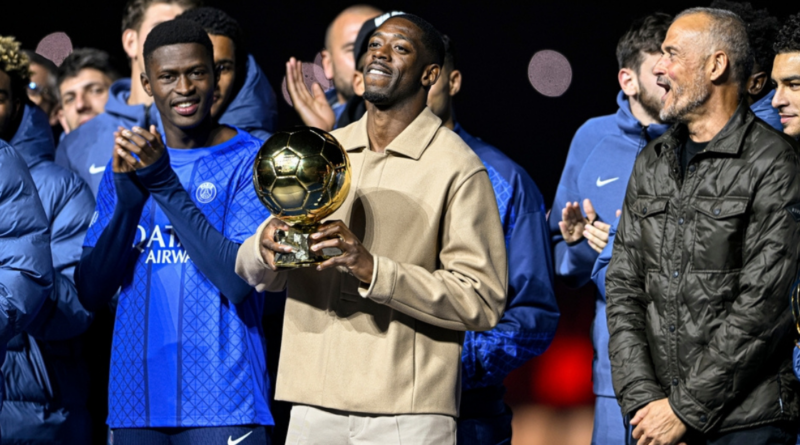
When Ousmane Dembélé lifted the Champions League trophy with Paris Saint-Germain in 2025, the achievement felt overdue rather than sudden. The talent had been evident for years. What changed was how he applied it.
PSG’s 5-0 win over Inter in the final was emphatic, but the defining image came earlier in the match. Dembélé, positioned high up the pitch without the ball, repeatedly checked his shoulders and adjusted his stance, anticipating the press. It was a small detail, but one that captured his evolution from improviser to organiser.
More than a decade earlier, that progression was already being discussed. In 2014, when the Guardian launched its Next Generation series focusing on players born in 1997, its contributor was asked to identify a France-based talent with elite potential.
According to the Guardian, the final choice was informed less by technique than by traits observed on the training ground: how players reacted to feedback, how quickly they absorbed tactical instructions, and how they responded when sessions did not go their way. Dembélé, then still part of Rennes’ youth setup, stood out.
Read also: Real Madrid show patience with Xabi Alonso after Clasico defeat
His early professional career reinforced the optimism. He was named France’s young player of the year in his first senior season and helped Borussia Dortmund win the German Cup soon after. Coaches spoke not only about his flair but about how quickly he processed new ideas, often staying behind after training to repeat finishing drills with both feet.
While researching his book Edge, the author later spoke with Thomas Tuchel, Dembélé’s coach at Dortmund. Tuchel described grouping players by dominant motivation. Some were driven primarily by personal accolades, others by collective identity. The most challenging, he said, were those motivated by curiosity players with rare upside who needed freedom alongside structure. Tuchel believed Dembélé belonged firmly in that category.
The next phase of his career tested that belief. In 2017, Dembélé joined Barcelona in the aftermath of Neymar’s €222m (£194m) transfer. Over six seasons, injuries and managerial turnover limited his continuity. He featured irregularly in the league and became a focal point for criticism during a period of broader instability at the club. By the time he left, the move was widely seen as a reset for both player and team.
That reset came into focus in the 2024–25 Champions League. Dembélé scored decisive goals against Liverpool and Arsenal by repeatedly dropping into midfield, drawing defenders with him, and then accelerating into space to finish moves he had initiated. The patterns were clear, and opponents knew what to expect, but stopping them proved difficult.
Read also: NBA coach calls ICE shooting ‘murder’ amid Minnesota protests
Circumstances at PSG helped. With Kylian Mbappé departing for Real Madrid, coach Luis Enrique moved away from a star-led attack and placed greater emphasis on collective pressing and positional rotation. The shift suited Dembélé. He became the trigger for the press, a consistent outlet in transition, and, unexpectedly, the team’s most reliable finisher.
When the Guardian later named him the world’s best male player, based on votes from a 219-member panel, the award reflected more than a prolific season. It recognised the attributes that had been evident since his teenage years and sharpened through setbacks: adaptability, attention to detail and a willingness to adjust his game.
Careers at the top level rarely follow a straight line. Dembélé’s suggests that talent alone is only the starting point. What ultimately determines the outcome is how a player responds when ability is no longer enough.
Sources: Guardian, Reuters
Read also: Haaland pokes fun at Szoboszlai after eventful FA Cup night
Read also: Paddy Pimblett’s first defeat ended in a 35 second choke