Infantino backs Russia’s return to international football: ‘We have to do it’
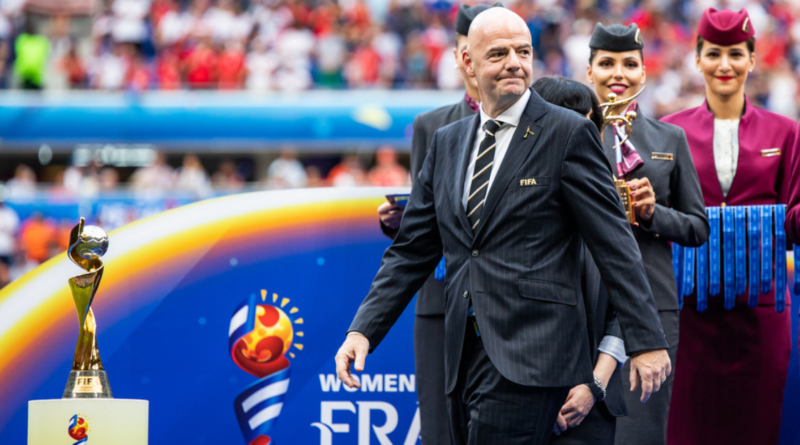
As global sporting bodies continue to grapple with how to respond to armed conflict, FIFA president Gianni Infantino has suggested that Russia’s exclusion from international football may not be sustainable indefinitely.
Russia has been barred from FIFA competitions since its invasion of Ukraine in February 2022, a decision taken amid broad pressure from European federations and national governments. While the ban remains in force for senior national teams, FIFA eased restrictions in 2023 to allow limited participation by youth sides, signalling an early shift in approach.
“We have to do it”
In remarks reported by Politico, Infantino said on Monday that he is fundamentally opposed to bans and boycotts as long-term tools. Speaking during an interview with Sky News, he was asked directly whether Russia should eventually be readmitted to international football.
“We have to do it,” Infantino said. “I am against bans, I am also against boycotts.”
Read also: Cristiano Ronaldo ‘goes on strike’ amid claims he is ‘refusing to play’ for Al Nassr
He argued that such measures often harden political divisions rather than resolve them, adding that football should remain accessible to young people regardless of nationality. Allowing Russian teams to compete again, he said, would send a positive signal to “girls and boys from Russia” who want to play across Europe.
Infantino did not outline a timeline or proposal for lifting the ban, and FIFA has not announced any formal review process. His comments reflect a personal position rather than an agreed policy shift within the organisation.
FIFA leadership under scrutiny
The remarks come at a time when Infantino’s leadership and political relationships are drawing increased attention. He has cultivated close ties with U.S. President Donald Trump, including FIFA’s decision in December to award Trump a newly created “FIFA Peace Prize,” a move widely described by commentators as symbolic.
FIFA has also expanded its institutional presence in the United States. In July, the organisation opened an office in Trump Tower in New York and later appointed Ivanka Trump to the board of an education-focused charity partially funded through ticket sales for the 2026 World Cup.
Read also: FIFA sanctions possible if nations boycott 2026 World Cup amid Trump tensions
Critics have questioned whether such decisions blur the line between sporting governance and political alignment, an issue FIFA has faced repeatedly during past international crises.
World Cup context
The United States will co-host the men’s World Cup in 2026 alongside Mexico and Canada. The tournament has already prompted calls for boycotts from some political and civil society groups opposed to elements of U.S. foreign policy under the Trump administration.
Russia last hosted the World Cup in 2018. Four years later, its teams were suspended from international competition following the invasion of Ukraine — a sanction that now appears increasingly contested within global football leadership.
Sources: Politico, Sky News, Digi24
Read also: Kim Kardashian’s dating list resurfaces amid Lewis Hamilton rumours
Read also: Experts break down Formula One’s 2026 competitive order after early testing