Judo brings Russian athletes in from the cold despite ongoing war
In a move that intertwines sport, politics, and a continuing war, the International Judo Federation has restored Russia’s ability to compete under its national flag. The shift introduces a new fault line in a sports world that has spent nearly three years debating how to treat Russian athletes following the invasion of Ukraine.
A decision shaped by politics and sporting identity
According to reporting from France 24 and AFP, the International Judo Federation announced that Russian judokas may once again take part in competitions with full national symbols, including the flag and anthem. Russia’s judo federation welcomed the announcement and described it as a historic turning point after months of competing under neutral status.
Ukraine’s judo authorities sharply criticized the decision and argued that it runs counter to principles of peace and responsibility. In a statement posted on its website, the federation said it would explore every possible measure to prevent the policy from taking effect and accused the IJF of disregarding guidance from the International Olympic Committee, which maintains tighter restrictions on Russian representation.
The ruling took effect immediately, meaning Russian athletes arriving at the Abu Dhabi Grand Slam would be eligible to compete under their national identity for the first time since early 2022. Should any athlete win their category, the Russian anthem would return to the podium, a symbolic moment that had been largely absent from international sport since the invasion began.
Read also: Haaland breaks century mark as City tighten their grip on the title race
Reactions shaped by conflict and symbolism
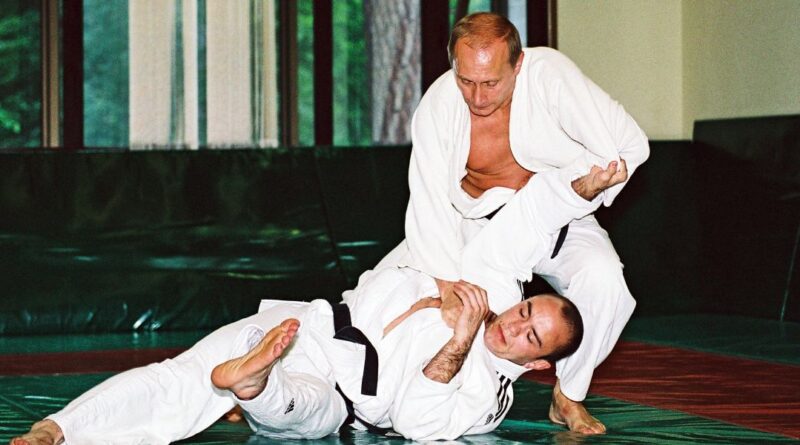
The announcement landed at a moment when the war shows no clear signs of easing. France 24 reported that Russian President Vladimir Putin, who has practiced judo for decades and holds a black belt, repeated his stance that the conflict would end only if Ukraine relinquished territory claimed by Moscow. Ukrainian officials noted that athletes, coaches, volunteers, and children remain among those killed daily, underscoring why they view the IJF’s decision as deeply inappropriate.
Reactions inside Russia were far different. Russia’s sports minister Mikhail Degtyarev praised the ruling and emphasized the sport’s cultural importance, describing judo as a presidential sport with broad participation across the country. Putin previously served as an ambassador for the IJF, roles that were suspended after the invasion but continue to shape the symbolic weight of the sport within Russian politics.
Background for readers outside the sports world
Since early 2022, large parts of the international sports community have imposed limits on Russian athletes as a response to the war in Ukraine. These measures have varied widely. Some federations, such as World Athletics, maintain complete bans. Others, including the International Olympic Committee, allow athletes to compete only as neutrals with no reference to Russia’s flag or anthem.
Judo is particularly significant in this landscape because of its deep connection to Russian leadership. Putin’s public association with the sport has given judo an unusual level of visibility in Russian state media, and this relationship has sometimes shaped how the sport is viewed internationally. The IJF’s decision, therefore, carries political resonance beyond the competitive results.
Read also: The staggering milestone reshaping how football views Erling Haaland
The move also illustrates how sports governance struggles with balancing fairness to individual athletes against the political consequences of state actions. Some federations argue that athletes should not bear responsibility for government decisions, while others maintain that allowing national symbols during wartime indirectly normalizes a conflict that continues to produce casualties.
A shifting landscape in international sport
Sergey Soloveychik, president of Russia’s judo federation, applauded the IJF and said it was the first major international sports body to fully reinstate Russian national status since the invasion. The IJF noted that Belarus had already been readmitted earlier under similar conditions and argued that extending comparable status to Russia was now appropriate.
Although several sports maintain strong sanctions, judo is not the only outlier. The International Boxing Association, then led by a Russian president, previously permitted Russian athletes to compete under their national symbols at its events. The IJF reiterated that it believes athletes should not be held accountable for political decisions made by their governments and said sport remains a bridge between nations even when diplomatic channels break down.
Ukraine rejected that premise, saying bridges should be built only in conditions of peace. The disagreement reflects a broader global divide over how sport should function in times of war, and whether athletic neutrality is even possible when national identity is central to international competition.
Read also: Man City under pressure as two players ask to leave in January
Read also: Dani Olmo’s nightmare injury strikes moments after scoring against Atlético