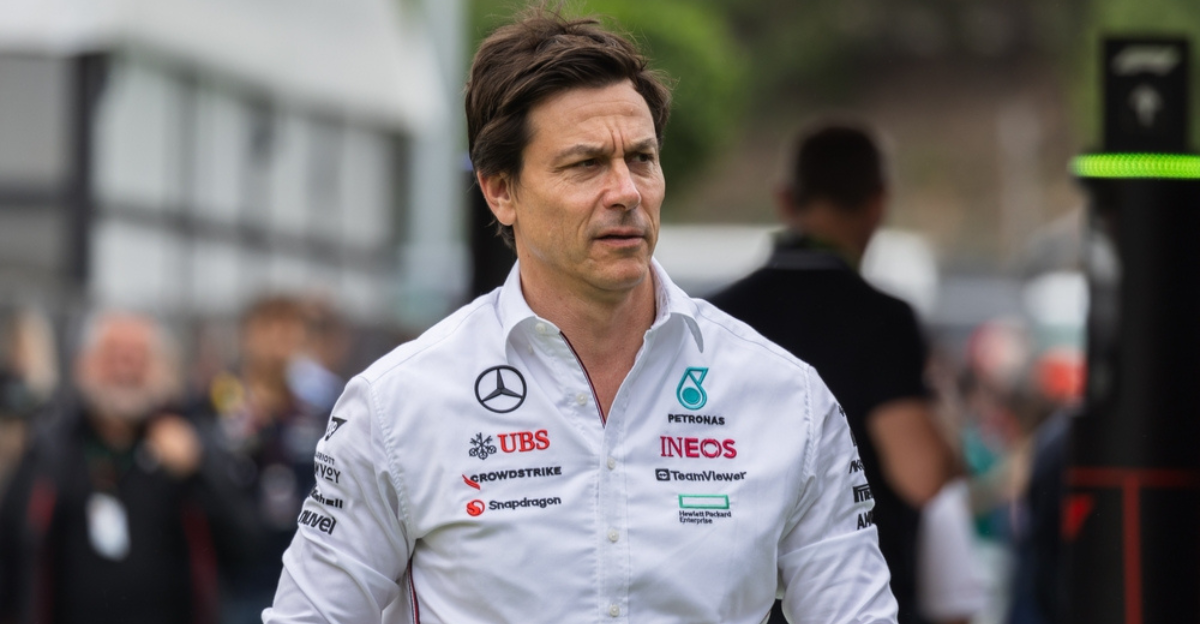
Despite currently leading both the Constructors’ and Drivers’ Championships, Mercedes is facing increased pressure from rivals McLaren and Ferrari, who have significantly closed the performance gap in recent races. While Mercedes dominated the opening six Grands Prix of the 2026 season with a clean sweep of victories, the subsequent six races have seen wins shared evenly between the three top teams.
This shift in momentum has prompted Mercedes to explain its strategic approach to car development under Formula 1’s stringent cost cap regulations. As highlighted by SPORTbible, unlike their competitors, who have introduced frequent upgrades throughout the campaign, Mercedes is deliberately phasing its development differently, opting to save resources for a larger package later in the season.
Cost cap dictates development pace
The primary constraint on Mercedes’ ability to roll out continuous updates, according to Trackside Engineering Director Andrew Shovlin, is the cost cap. “Over the season, we will probably produce one fewer floor and one fewer bodywork package than those teams,” Shovlin revealed on the Nu Silver Arrows Radio Show. He elaborated on the financial realities, stating, “You could introduce new parts at every race if you had the money to manufacture them, perhaps using outsourced capacity. The principal constraint is cost.”
This financial reality forces teams to make tough choices, balancing immediate performance gains against long-term development and budget allocation. Deputy Team Principal Bradley Lord echoed this sentiment, explaining, “It is the reality every team faces under the cost cap. Formula One organisations must balance headcount and salary costs against the money available for hardware. We continue to find performance in the wind tunnel, but the challenge is deciding when to convert that virtual gain into real parts.”
Read also: Harry Kane’s Bayern future suddenly comes with a Tottenham escape route
Long-term vision for flyaway races
According to SPORTbible, Mercedes’ strategy involves targeting a substantial upgrade package for the block of flyaway races scheduled later in the year. This approach, they believe, does not necessarily mean they will have added less total performance by the end of the season, but rather that they have staged their investment differently. Kimi Antonelli currently leads the Drivers’ Championship for Mercedes, while the team itself sits atop the Constructors’ standings.
The team’s current championship advantage allows for this more measured approach. “If we believed these championships depended on having an update at Zandvoort, we would probably have found a way to achieve it,” Shovlin added. “Being in front allows a little more long-term thinking. We have made calculated decisions about the most cost-efficient route to the end of the year.”
As the paddock prepares for the Italian Grand Prix next weekend, all eyes will be on how Mercedes’ long-term strategy plays out against the more frequent updates from rivals Ferrari, driven by Lewis Hamilton, and McLaren, with Lando Norris behind the wheel.
Read also: ‘I’m not confident’: Red Bull chief delivers troubling verdict on Verstappen’s car