More countries banned from World Cup 2026
According to reporting by LADbible journalist James Moorhouse, expanding US travel restrictions are beginning to collide directly with preparations for the 2026 FIFA World Cup, raising concerns about attendance, atmosphere and fairness.
Travel restrictions collide with World Cup plans
Uncertainty is building around next summer’s World Cup as immigration policy increasingly intersects with a tournament designed to celebrate global participation.
The United States is set to host the majority of matches at the 2026 FIFA World Cup, alongside co hosts Mexico and Canada. While tournament organisers maintain that preparations are continuing as scheduled, recent political developments have complicated who will actually be able to attend matches on US soil.
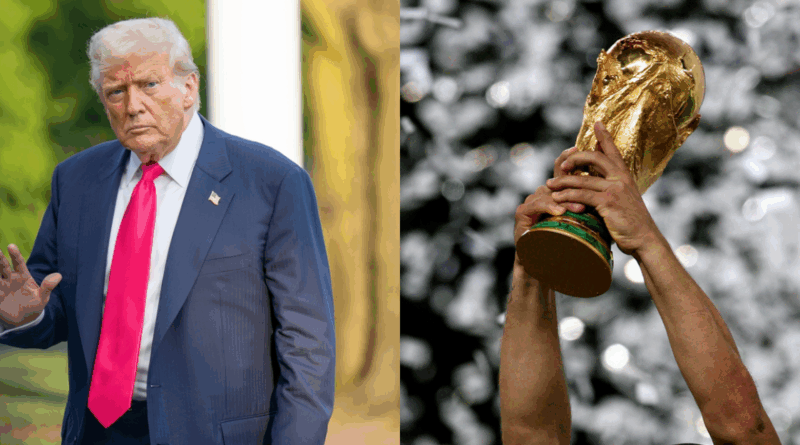
Earlier this year, US President Donald Trump confirmed sweeping travel restrictions targeting citizens from several countries, mainly across Africa and the Middle East. Those rules exempt athletes and diplomats but do not apply the same exception to fans.
Read also: The Knicks set the pace, but the NBA Cup tells a bigger story
Newly qualified nations feel the impact
According to LADbible, the travel bans immediately raised alarms once Haiti and Iran secured qualification for the tournament.
For Haiti, the restrictions carry particular emotional weight. The Caribbean nation has qualified for the men’s World Cup for the first time in its history, yet many supporters may now be unable to attend matches played in the United States.
Iranian officials have also voiced opposition to the restrictions, with delegates previously boycotting the World Cup draw in protest against sanctions placed on the country.
African supporters blocked from attending matches
On Tuesday, Trump signed a new proclamation imposing partial travel restrictions on several African nations, suspending entry for immigrants and non immigrants, including visitors travelling for tourism or business, according to the original report.
Read also: Premier League injury crisis exposed as clubs bleed more than £1bn
As a result, supporters from Senegal and Ivory Coast are currently barred from attending matches hosted in the US, despite both teams qualifying for the tournament.
Senegal fans were widely praised for their vibrant presence at the Qatar World Cup, where videos of dancing supporters spread across social media. That energy is now expected to be absent from US stadiums.
Senegal are scheduled to face France and Norway at MetLife Stadium, while Ivory Coast are due to play group matches against Ecuador and Curacao at venues in the United States.
Strong language from US officials fuels backlash
The expansion of the travel bans has drawn criticism, particularly after Homeland Security Secretary Kristi Noem issued a sharply worded statement on X following a meeting with Trump.
Read also: Kane’s scoring run puts Lewandowski record back in focus at Bayern
She wrote, "I just met with the President. I am recommending a full travel ban on every damn country that’s been flooding our nation with killers, leeches, and entitlement junkies.
Our forefathers built this nation on blood, sweat, and the unyielding love of freedom, not for foreign invaders to slaughter our heroes, suck dry our hard earned tax dollars, or snatch the benefits owed to AMERICANS. WE DON’T WANT THEM. NOT ONE."
The remarks have intensified debate over how political messaging may affect the spirit and accessibility of an event intended to unite fans from around the world.
A tournament shaped by politics before kick off
The 2026 FIFA World Cup is scheduled to begin on 11 June, but months before the opening match, questions are already being raised about how inclusive the tournament can be under current US entry rules.
Read also: Egypt erupts in support as Salah’s Liverpool clash strikes a national nerve
While players will still be permitted to compete, the absence of large sections of international supporters could alter the atmosphere inside stadiums and reshape how the tournament is remembered.
Sources: LADbible, reporting by James Moorhouse