Olympic ban sparks $231,000 lifeline for Ukrainian skeleton racer
A disciplinary decision at the Winter Olympics has led to an outpouring of support for Ukrainian skeleton racer Vladyslav Heraskevych, whose symbolic protest cost him his place at the Games.
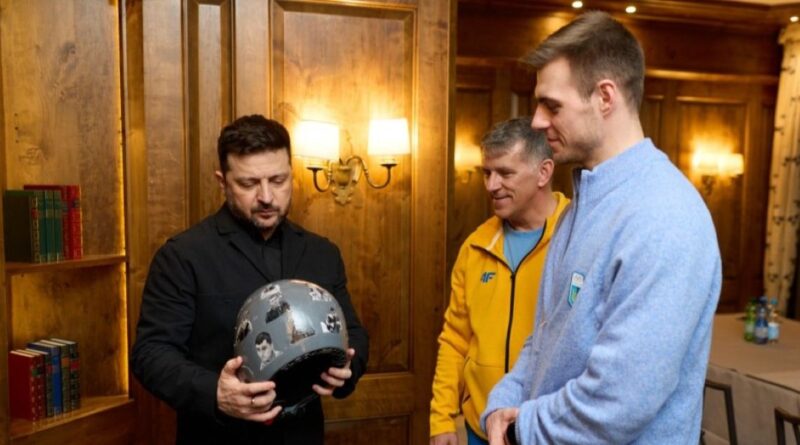
According to Jessica Hopkins of The Athletic, Heraskevych, 27, was disqualified after competing in a helmet dedicated to Ukrainian athletes killed following Russia’s invasion of Ukraine. The International Olympic Committee ruled that the “helmet of remembrance” violated its rules prohibiting political messaging on the field of play.
Heraskevych appealed the ruling to the Court of Arbitration for Sport. However, its Ad Hoc division upheld the decision, stating it “found these limitations reasonable and proportionate,” according to The Athletic’s report.
Financial backing from Shakhtar Donetsk
In the days following the ruling, Shakhtar Donetsk announced that its president, Rinat Akhmetov, would donate 10 million Ukrainian Hryvnias, roughly $231,000, to Heraskevych’s foundation. According to The Athletic, the sum mirrors the amount the athlete would have received for winning an Olympic gold medal.
Read also: UEFA investigates after Vinicius Jr racism allegation
In a statement published on Shakhtar Donetsk’s official website and cited by The Athletic, Akhmetov said: “Vlad Heraskevych was denied the opportunity to compete for victory at the Olympic Games, yet he returns to Ukraine a true winner. The respect and pride he has earned among Ukrainians through his actions are the highest reward.
“At the same time, I want him to have enough energy and resources to continue his sporting career, as well as to fight for truth, freedom and the remembrance of those who gave their lives for Ukraine.”
The gesture positions one of Ukraine’s most prominent sports executives firmly behind the athlete at a moment when debates over political expression in international sport remain highly sensitive.
Support from President Volodymyr Zelenskyy
Heraskevych’s case has also drawn backing from Ukrainian President Volodymyr Zelenskyy. According to The Athletic, Zelenskyy said on social media that he had awarded the athlete the Order of Freedom, one of Ukraine’s state honors.
Read also: Man United refuse to budge on Rashford price
The controversy highlights the difficult balance faced by global sporting bodies attempting to enforce political neutrality while athletes from conflict zones seek to express solidarity and remembrance.
A club shaped by war
Shakhtar Donetsk’s involvement carries symbolic weight. The club has not played at its Donbas Arena since 2014, when Russia annexed Crimea and armed conflict erupted in eastern Ukraine.
Since leaving Donetsk, Shakhtar Donetsk has staged domestic league matches in Lviv, in western Ukraine. For European competitions, including this season’s Conference League fixtures, the club has used stadiums across Ukraine as well as venues in Poland and Germany. According to The Athletic, Shakhtar Donetsk currently sits second in Ukraine’s top division.
For many in Ukraine, the episode surrounding Heraskevych reflects how sport and national identity have become increasingly intertwined since the outbreak of war.
Read also: Tottenham keen to sign record-breaking striker
Sources: The Athletic
Read also: Mike Tyson vs. Floyd Mayweather; A fight for the decades