Peter Schmeichel questions United’s direction after Amorim dismissal
Manchester United’s decision to dismiss Ruben Amorim has reopened a familiar and uncomfortable question at Old Trafford: what, exactly, is the club’s long-term plan?
The Portuguese coach was removed from his post on Monday after just over a year in charge, a move that caught many observers off guard and drew pointed criticism from former United goalkeeper Peter Schmeichel. While results under Amorim were mixed, the absence of a clear succession strategy has become a central part of the backlash.
Early promise fades
Amorim arrived promising transparency and cultural change, earning early goodwill for his direct approach. That optimism faded as performances stalled and internal friction reportedly grew. From a 1–1 draw with Ipswich Town in his first match to another draw against Leeds United in his final game, United averaged 1.43 points per match during his tenure.
Data compiled by GiveMeSport shows that since Amorim’s first match in November 2024, only Wolves, West Ham and Tottenham have accumulated fewer Premier League points among clubs that have remained in the division throughout that period. Those figures help explain mounting pressure on the coaching staff, but they have not silenced questions about timing.
Read also: Liverpool star taken to hospital after on-field collision
An interim fix, not a solution
United have turned to Darren Fletcher as an interim solution. The former midfielder, now working within the club’s academy structure, is expected to steady the side while senior figures assess their next move.
Internal admiration has reportedly been expressed for coaches such as Thomas Tuchel and Oliver Glasner, though there is no indication of an imminent appointment. Some reports suggest the club could rely on a caretaker until the end of the 2025/26 season a plan that has done little to reassure critics.
Schmeichel challenges the timing
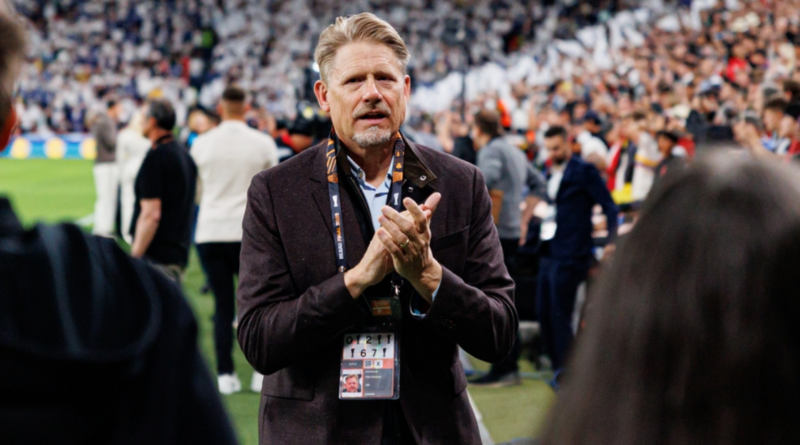
That uncertainty was central to Schmeichel’s criticism. Speaking to Viaplay after Arsenal and Liverpool played out a goalless draw last week, the Dane said he was “really, really surprised” by the decision and struggled to understand the logic behind acting when the club did.
Schmeichel questioned why United’s hierarchy waited until now, arguing that if confidence in Amorim had already been lost, the move should have come earlier. He also warned against personal grievances influencing strategic decisions, referencing director of football Jason Wilcox while stressing that individual egos should not determine managerial appointments.
Read also: Top manager wants Manchester United job
Identity before appointments
In a later reflection, Schmeichel went further, describing the dismissal as misguided given the lack of a clear alternative. He argued that United should first define what they want to be as a football club in style, identity and ambition before selecting a manager capable of delivering that vision.
Fans and pundits echo concerns
His remarks struck a chord with supporters frustrated by years of managerial churn and shifting priorities. Former Premier League striker Troy Deeney echoed the sense of surprise, noting that Amorim had shown a willingness to make unpopular but decisive squad calls during his brief spell.
Whether United’s leadership can now turn a controversial decision into a coherent reset remains to be seen. For critics like Schmeichel, the concern is not just who comes next, but whether the club has finally learned how and when to make that choice.
Sources: GiveMeSport, Viaplay
Read also: Barcelona consider major Saudi offer for key attacker
Read also: Inside the “Trump-Infantino Axis” reshaping the 2026 World Cup