Red card to beheading: Football game in Brazil exploded into double killing and beheading
A game with no rules and no referee
The match took place on 30 June 2013 on a dusty neighborhood pitch in Pio XII, a town in the northeastern Brazilian state of Maranhão. According to The New York Times, the game had no league backing, no uniforms and no appointed officials, it was the kind of informal football match common in rural areas.
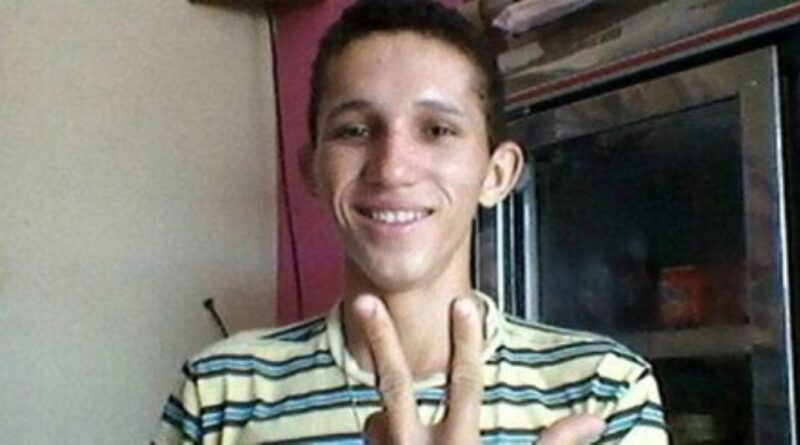
Otávio Jordão da Silva Cantanhede, 19, was playing as a defender when he injured his foot and stopped running. Witnesses later told police that he picked up a whistle and began acting as an informal referee so the game could continue.
The argument that turned deadly
Midway through the second half, Cantanhede showed a yellow card to fellow player Josemir dos Santos Abreu, 30. Police statements cited by Brazilian media say Abreu refused to leave the pitch after being sent off and began arguing.
According to reporting summarized by The Mirror, the confrontation escalated when Abreu struck Cantanhede. Investigators said Cantanhede then pulled a knife from his pocket and stabbed Abreu multiple times.
Read also: Lewandowski reveals shocking truth behind Barcelona bonus controversy
Abreu died before reaching hospital, authorities confirmed.
A crowd takes revenge
When word spread that Abreu had died, spectators including friends and relatives rushed onto the field, according to regional police.
Cantanhede was overpowered by several people in the crowd. Police reports later cited by international media said he was beaten, stoned and killed in a lynching. His body was dismembered and his head placed on a wooden stake near the pitch.
Police reaction and arrests
Valter Costa, the regional police chief leading the investigation, condemned the violence in a statement to reporters. “One crime will never justify another,” he said.
Read also: The Definitive Ranking of Ligue 1’s Top 100 Highest Salaries - Ranked
Police later identified five suspects in the killing, Luiz Moraes de Souza, Raimundo da Costa Marçal, Josimar Vieira de Souza, José Márcio de Miranda Vasconcelos and Francisco Edson Moraes de Souza. According to Brazilian police statements reported at the time, one suspect was arrested shortly after the attack while others were sought.
Why experts say this was not football violence
Sociologists and researchers stressed that the killings were not an example of organized football related violence. According to sociologist Mauricio Murad of Salgado de Oliveira University, quoted by international media, the incident reflected broader patterns of violence rather than fan rivalry or sport culture.
He noted that the absence of teams, officials or competition structure meant the dispute could just as easily have occurred in a bar or at a street gathering.
The case remains one of the most extreme examples of mob justice linked to a sporting argument in modern Brazilian history.
Read also: The 15 Richest Golfers in History – Ranked
Sources: The Mirror, Brazilian police statements, academic commentary via international media reports
Read also: The 10 Most Clutch Performers in Football History – Ranked