Russian team withdraws from Cluj event
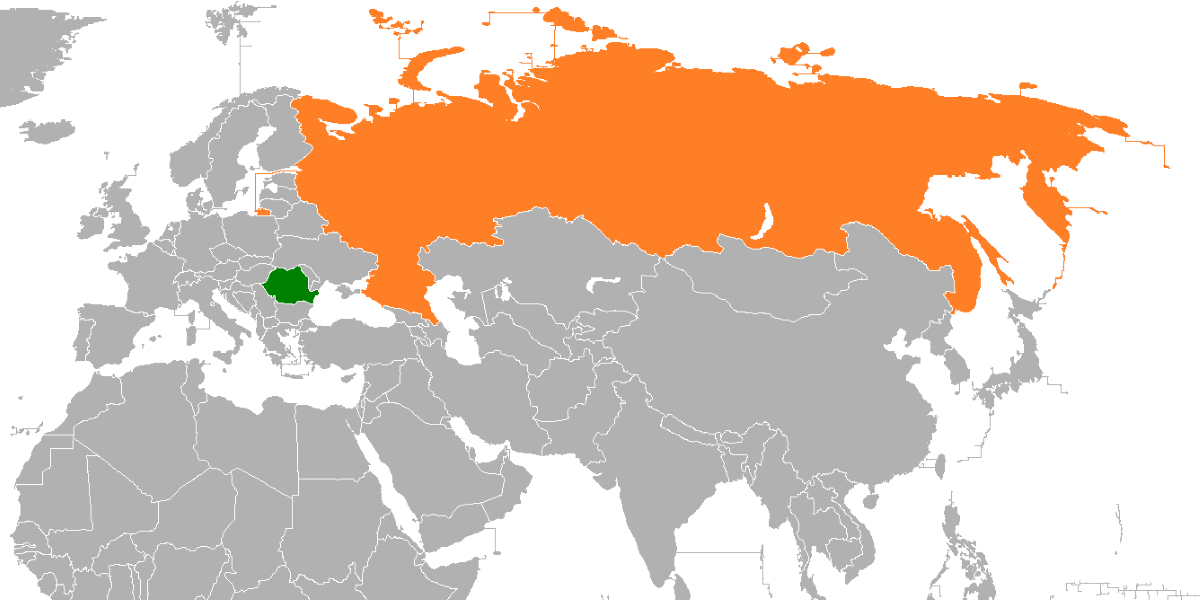
A rhythmic gymnastics event in Romania has turned into a diplomatic dispute after Russia withdrew from the FIG World Challenge Cup in Cluj-Napoca.
The competition was scheduled to take place from June 26 to 28 at BTarena, but the Russian team pulled out before competing. The decision came after Cluj-Napoca mayor Emil Boc said Russian state symbols would not be allowed at the event.
According to Digi24, Boc said he would not permit the Russian flag to be displayed or the Russian anthem to be played at the competition.
The Russian Gymnastics Federation said the team had withdrawn because of what it described as serious violations of the competition rules by the organisers.
Read also: Argentine footballer loses wife and two children in earthquake horror
The dispute comes shortly after World Gymnastics changed its policy on Russian and Belarusian athletes. In May, the international federation lifted the restrictions that had been in place since Russia’s invasion of Ukraine in 2022.
European Gymnastics later confirmed it would follow that decision. According to European Gymnastics, the World Gymnastics ad-hoc rules were no longer in force, and European Gymnastics would also lift restrictions on Russian and Belarusian athletes.
Moscow demands consequences
Russia responded sharply to the Romanian decision.
Mikhail Degtyarev, Russia’s minister of sport and president of the Russian Olympic Committee, said Russia would seek to have Romania stripped of the right to host international sports competitions.
Read also: Clarke steps down after restoring Scotland’s belief, ending their FIFA World Cup 2026 campaign
He accused European countries of trying to violate the Olympic Charter, the rules of World Gymnastics and the broader competition regulations.
“We will do everything possible for Romania to be deprived of the right to host international gymnastics competitions and, in addition, all other global sports tournaments,” Degtyarev said.
He added that it should be “a lesson” for Romania and its local leaders.
The threat marks a clear escalation in a dispute that began as a local decision over symbols but has now moved into wider sports politics.
Read also: The 2026 World Cup just got serious as last 32 fixtures produce huge clashes
Zakharova attacks Romania
Russia’s Foreign Ministry also entered the row.
In a separate report, Digi24 quoted Maria Zakharova, the ministry’s spokesperson, as saying the Russian gymnasts had faced “an obvious example of arbitrariness and politicisation of international sport.”
Zakharova argued that the ban contradicted the recent decisions by World Gymnastics and European Gymnastics to remove restrictions on Russian and Belarusian athletes.
She also criticised Boc directly, saying the situation was made more “absurd” because the restrictions had been maintained by a local mayor.
Read also: World Cup: This is what you missed last night
“The Russian side will not leave this situation without consequences,” Zakharova said.
Her remarks followed a similar line from the Kremlin. According to Anadolu, Kremlin spokesperson Dmitry Peskov called the decision “outrageous and arbitrary.”
A wider sports dispute
The clash highlights the continuing tension around the return of Russian and Belarusian athletes to international sport.
World Gymnastics has moved further than several other sports federations by allowing athletes from the two countries to return under national symbols. That decision has been welcomed in Russia but remains politically sensitive in parts of Europe because of the war in Ukraine.
Read also: Andy Murray's historic Wimbledon win sparked a tennis revolution in Great Britian
Romania’s position in Cluj-Napoca shows that federation rules and local political decisions may not always move in the same direction.
For Russia, the case has become another example of what it describes as discrimination in international sport. For Romania, the ban was framed as a refusal to display the symbols of what Boc called an aggressor state.
The competition went ahead without the Russian rhythmic gymnastics team. The diplomatic fallout, however, is unlikely to disappear as quickly.