Saudi league shaken by Cristiano Ronaldo protest
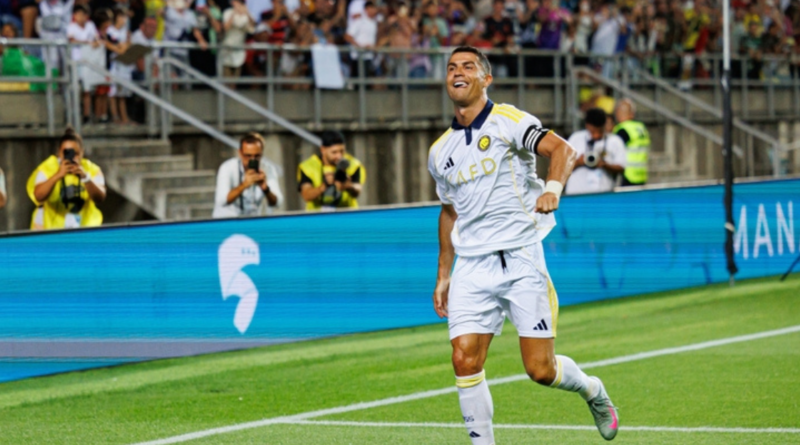
Cristiano Ronaldo’s absence from Al-Nassr’s recent league match was officially unexplained. Unofficially, it spoke volumes.
What might once have been dismissed as squad management instead became a rare public rupture inside the Saudi Pro League, raising uncomfortable questions about competitive balance, ownership, and how much influence even the league’s most powerful figure truly holds.
According to reporting from GOAL.com, Ronaldo declined to feature after growing increasingly frustrated with Al-Nassr’s limited activity in the January transfer window frustration sharpened by events elsewhere in the league.
From global statement to internal pressure
Ronaldo’s decision to join Al-Nassr in late 2022 marked a decisive moment for Saudi football. His arrival helped accelerate a wave of signings from Europe, including Karim Benzema, Neymar and Roberto Firmino, with salaries widely described at the time as “life-changing.”
Read also: Schweinsteiger explains his lasting Manchester United love
The message was clear: Saudi Arabia intended to disrupt football’s established order. Backed by state investment and political will, the Pro League appeared capable of competing with Europe not just financially, but symbolically. Ronaldo became central to that effort, functioning as both star player and global spokesperson.
After signing a contract extension last summer, he dismissed critics of the league’s quality. “Only the people who have never played in Saudi, who don't understand anything about football, say this league is not top five [in the world],” he said. Ronaldo added that he believed in the project through to 2034, when Saudi Arabia is scheduled to host the World Cup.
Those remarks, carried by multiple international outlets at the time, positioned him as a long-term stakeholder rather than a short-term hire.
Goals, but no title
Individually, Ronaldo has delivered. He has scored 91 goals in 95 appearances for Al-Nassr, yet the league title has remained out of reach. Early this season, expectations rose following the arrivals of João Félix and Kingsley Coman, creating one of the most recognisable attacking units in Saudi football.
Read also: Could Arsenal’s season lead to a historic quadruple?
“When all four of us are doing well, we're unstoppable here in Saudi Arabia,” Félix said in comments published on the league’s official website.
Results initially supported that confidence. Al-Nassr won their first 10 league matches, but a downturn in January proved costly. Three defeats in 10 days saw a narrow lead turn into a seven-point deficit behind Al-Hilal, intensifying pressure inside the club.
Head coach Jorge Jesus acknowledged the situation bluntly. “There will be changes to the team during the winter transfer window,” he said, while warning that budgetary realities could restrict reinforcements.
A deal that shifted the mood
Al-Nassr’s January business ultimately amounted to squad depth rather than statement signings. Al-Hilal, by contrast, landed Benzema on a free transfer from Al-Ittihad, despite the striker still having time left on his contract.
Read also: USA and Canada men’s ice hockey schedule as NHL players return for 2026 Olympics
As reported by GOAL.com and transfer journalist Fabrizio Romano, Benzema had been unhappy with a proposed contract structure at Al-Ittihad and made himself unavailable for selection before being allowed to leave.
The move reignited debate around ownership in Saudi football. Al-Hilal, Al-Ittihad, Al-Nassr and Al-Ahli are all controlled by the Public Investment Fund, a structure that, while legal, places direct competitors under the same ownership umbrella. Similar models exist elsewhere in football, but rarely within a single domestic title race.
Shortly after Benzema’s transfer was confirmed, reports emerged that Ronaldo reacted angrily and refused to play in Al-Nassr’s next league fixture against Al-Riyadh.
Control meets reality
Only weeks earlier, Ronaldo had adopted a conciliatory tone in an interview with Arab News. “It's hard to compete with teams like Al-Hilal and Al-Ittihad, but we are still there, still pushing and fighting,” he said, emphasising professionalism and patience.
Read also: Why Real Madrid supporters keep booing Vinicius
His subsequent absence changed the conversation. Al-Nassr won without him, but the victory was almost beside the point. For a league that has prized unity and momentum, visible dissent from its most recognisable figure was a warning sign.
The Pro League has already begun shifting strategy, spending more cautiously and prioritising younger signings over ageing superstars. Yet Ronaldo, even at 40, remains its most influential export. When he pushes back, it draws attention not just to one club’s grievances, but to the league’s underlying power dynamics.
Saudi football set out to disrupt the global game. Now, it is confronting a more delicate challenge managing disruption at home.
Sources: GOAL.com, Arab News
Read also: Six Nations: France face early tests despite favourites tag