The biggest stars missing the 2026 World Cup
With the 2026 World Cup just around the corner, excitement is building for what promises to be a historic tournament across the United States, Canada and Mexico. The expanded format will showcase more teams and more talent than ever before, but not every big name has made the cut. Several high-profile players and even entire footballing nations have fallen short during qualification, leaving some of the game’s biggest stars watching from home. From established legends nearing the end of their careers to elite players in their prime, their absence will be felt across the tournament. Here’s a closer look at the biggest names who won’t be lighting up the World Cup in 2026.
13. Keylor Navas (Costa Rica)
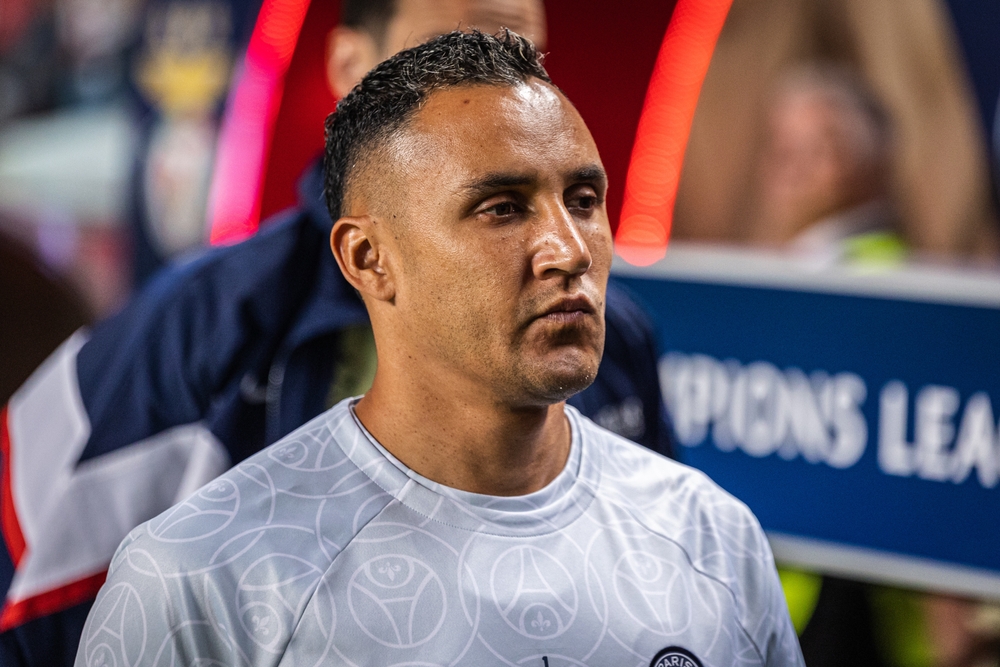
Keylor Navas rolled back the years when he came out of international retirement with hopes of leading Costa Rica to yet another World Cup. The veteran goalkeeper, a three-time Champions League winner, still showed flashes of his brilliance between the posts during qualifying. However, Costa Rica struggled badly in attack and failed to convert solid defensive performances into results. Despite conceding very few goals, they ultimately fell short in a relatively open qualifying group. For Navas, it marks a disappointing end to a remarkable international career.
12. Serhou Guirassy (Guinea)
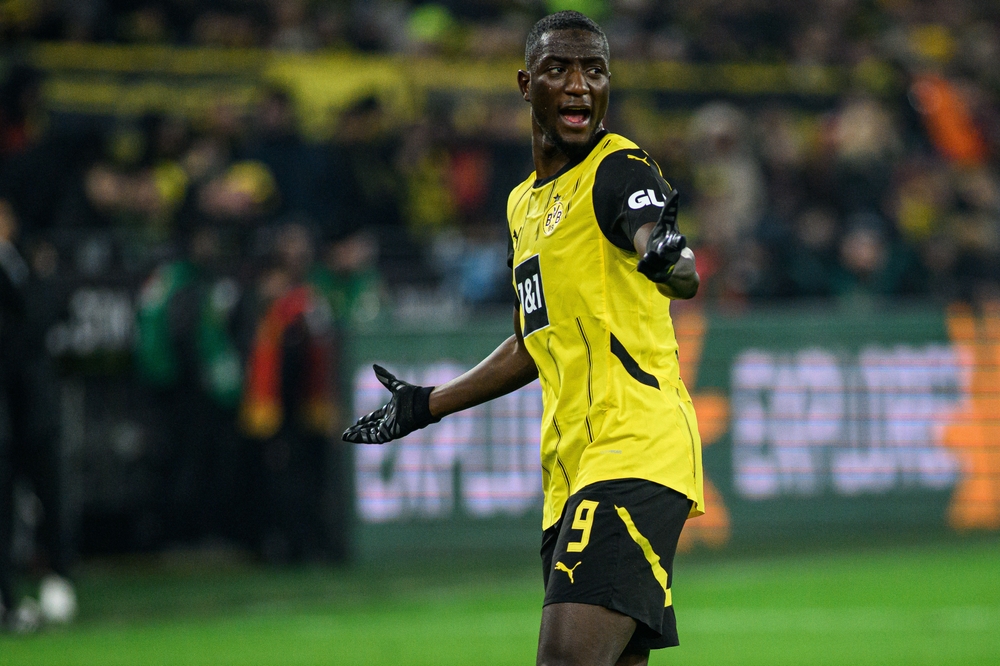
Serhou Guirassy has been one of Europe’s most prolific strikers in recent seasons, dominating at club level with remarkable consistency. Expectations were high that he could carry Guinea to their first-ever World Cup appearance, but things never clicked during qualification. Guirassy managed just a single goal, a stark contrast to his club form, as Guinea finished well off the pace in their group. The lack of support around him was evident, but his own performances also fell below expectations. It was a frustrating campaign for a player who has otherwise been in unstoppable form.
11. Benjamin Sesko (Slovenia)
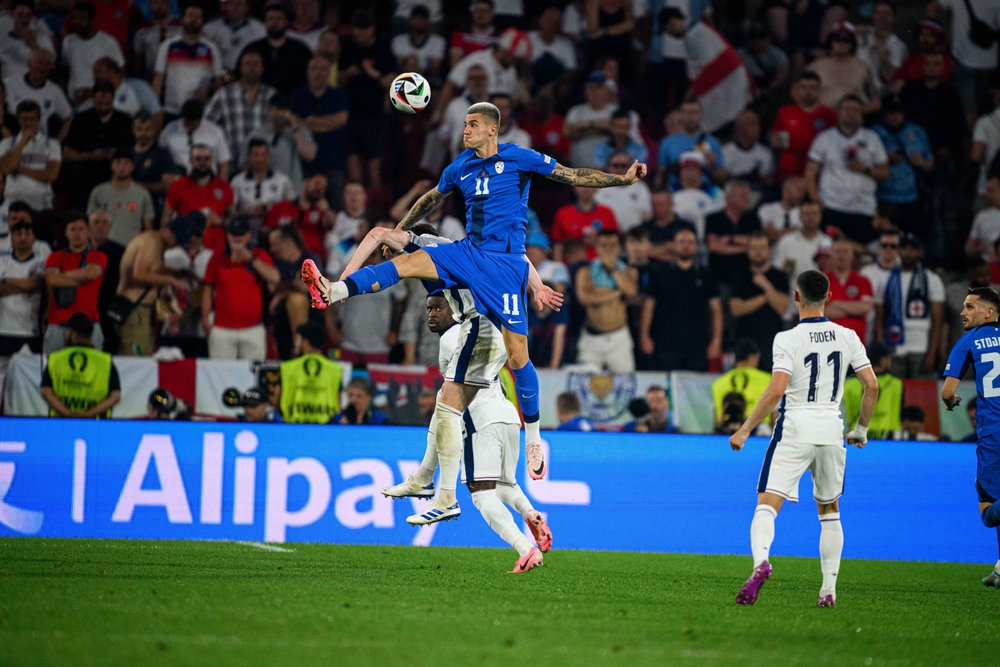
Benjamin Sesko is widely regarded as one of Europe’s most promising young strikers, but his first real shot at World Cup qualification ended in disappointment. Slovenia struggled from the outset, picking up just a handful of points in their opening matches. Sesko himself failed to register a goal or assist before injury ruled him out at a crucial stage. Without their main attacking threat, Slovenia’s hopes quickly faded. It underlined how reliant they are on the young forward to produce moments of magic.
Read also: How Manchester United moved from crisis to contention
10. Bryan Mbeumo (Cameroon)
Bryan Mbeumo made the bold decision to switch international allegiance to Cameroon, but it has yet to deliver the success he might have hoped for. The forward has impressed consistently in the Premier League, yet struggled to replicate that impact on the international stage. Cameroon endured a turbulent qualifying campaign, marked by inconsistency and off-field issues. Mbeumo himself missed key chances and cut a frustrated figure as their hopes slipped away. It raises questions about both his role in the team and the direction of the national side.
9. Dusan Vlahovic (Serbia)
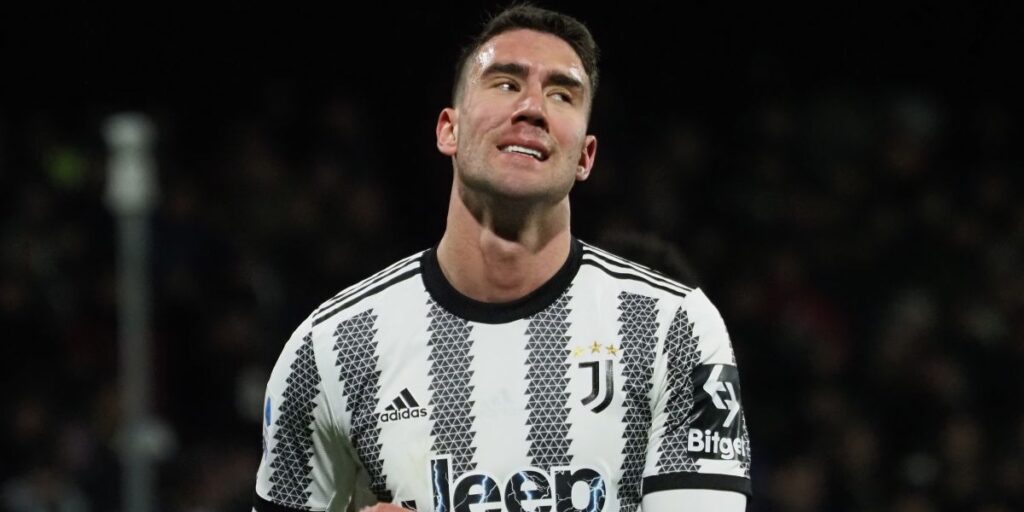
Dusan Vlahovic entered qualification with a point to prove, but ultimately failed to deliver when Serbia needed him most. The Juventus striker managed only a couple of goals and was largely ineffective in decisive matches. Serbia’s campaign was plagued by instability, including a managerial change that disrupted momentum. Their failure to qualify will sting, especially given the talent available in the squad. For Vlahovic, it is another chapter in a career that still promises more than it has delivered so far.
8. Alexis Sanchez (Chile)
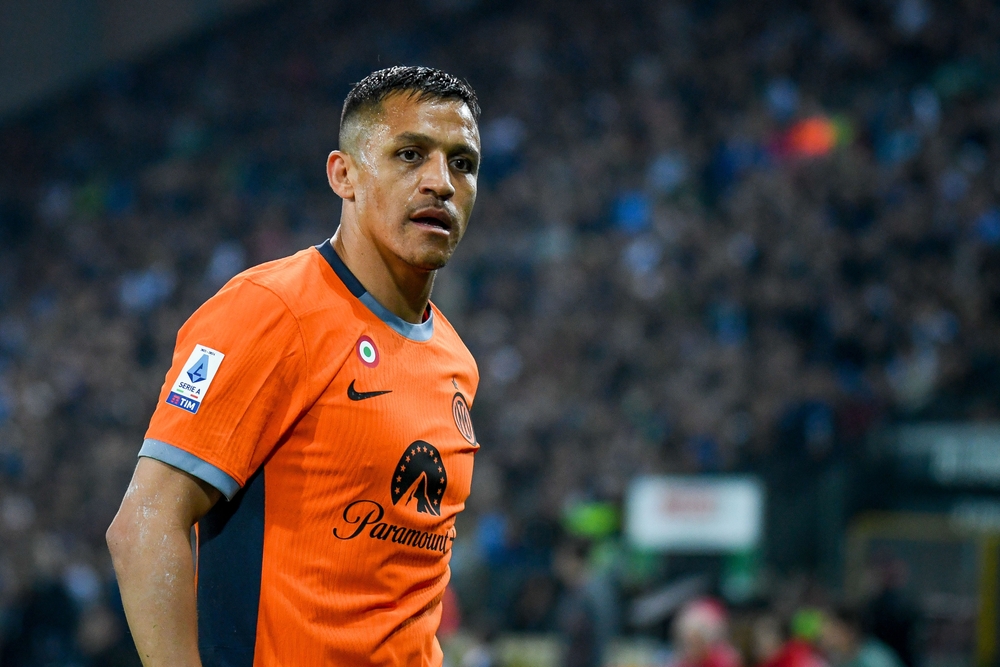
Alexis Sanchez has enjoyed a glittering career, but his time at the top level is clearly drawing to a close. Chile endured a miserable qualifying campaign, finishing bottom of their group and never looking competitive. Injuries and managerial changes disrupted Sanchez’s involvement, and when he did feature, he struggled to influence games. The team is now transitioning into a new era, leaving behind one of its greatest-ever players. It seems increasingly unlikely that Sanchez will add another World Cup appearance to his legacy.
7. Pierre-Emerick Aubameyang (Gabon)
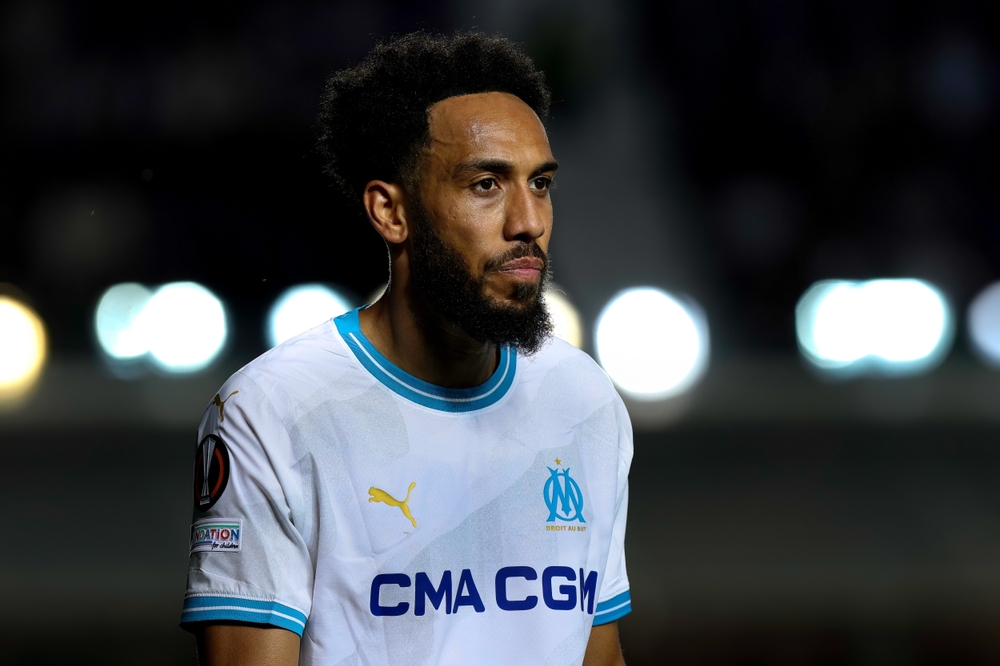
Pierre-Emerick Aubameyang remains one of the most prolific strikers of his generation, yet the World Cup has always eluded him. Gabon came close this time, reaching the play-offs, but ultimately fell short in a decisive clash. Aubameyang led from the front and contributed important goals throughout qualification. However, the team lacked the depth needed to get over the line. His absence from the global stage once again highlights the gap between individual brilliance and collective success.
Read also: The Masters respond with official statement on Tiger Woods after DUI crash
6. Dominik Szoboszlai (Hungary)
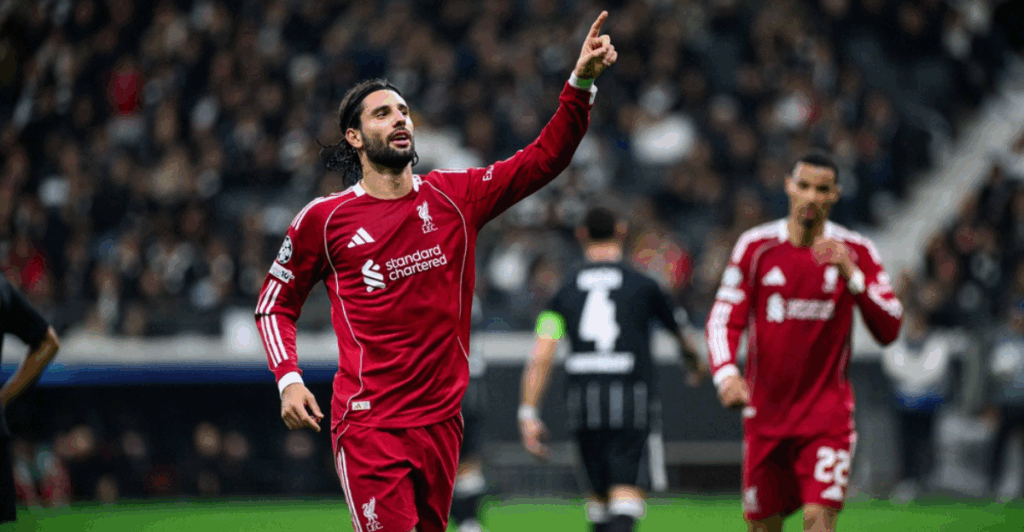
Dominik Szoboszlai gave everything in Hungary’s qualification campaign, producing moments of genuine quality and leadership. The Liverpool midfielder was instrumental in keeping his nation in contention until the very end. However, a dramatic late twist saw Hungary miss out in heartbreaking fashion. Szoboszlai’s emotional reaction at full-time summed up the magnitude of the disappointment. It was a cruel ending for a player who had done so much to drag his team forward.
5. Christian Eriksen (Denmark)
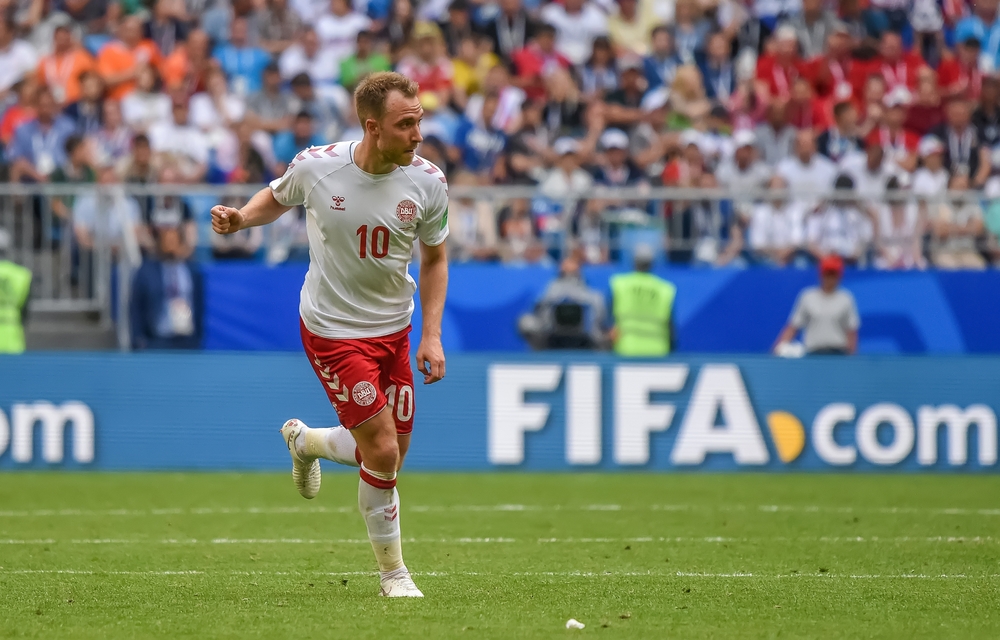
Christian Eriksen’s story has been one of resilience and remarkable comebacks, but this chapter ends in frustration. Denmark were agonisingly close to qualification on multiple occasions, only to fall short when it mattered most. Eriksen returned to the fold and showed glimpses of his creative brilliance, but it wasn’t enough to carry the team through. At 34, time is no longer on his side for another World Cup cycle. This likely marks the end of his journey on football’s biggest stage.
4. Khvicha Kvaratskhelia (Georgia)
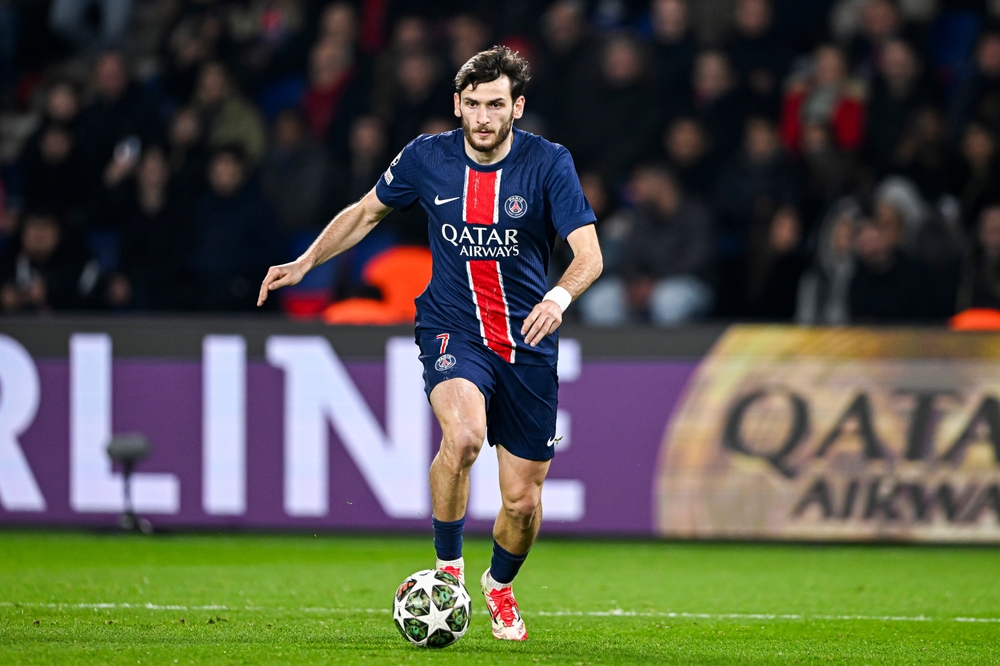
Khvicha Kvaratskhelia has emerged as one of the most exciting wingers in world football, dazzling fans with his flair and unpredictability. After starring at Euro 2024, there were hopes he could guide Georgia to another historic achievement. However, the team struggled for consistency and fell well short in qualification. Kvaratskhelia showed glimpses of his brilliance but lacked the support needed to make a decisive impact. His absence will be a major loss for neutrals hoping to see creativity on the biggest stage.
3. Robert Lewandowski (Poland)
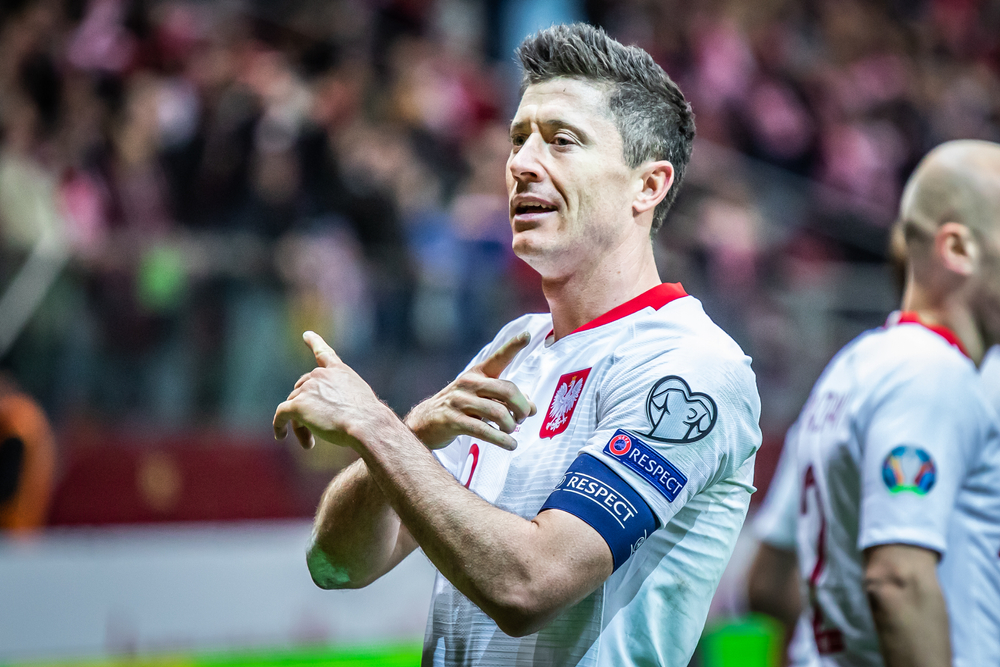
Robert Lewandowski’s World Cup journey appears to have come to an end in disappointing fashion. Poland fell short in the play-offs, denying one of the game’s greatest strikers a final opportunity to shine. Lewandowski’s influence has naturally declined with age, but his leadership and experience remained invaluable. There were hopes he could bow out with one last tournament appearance. Instead, his international career seems destined to conclude without a defining World Cup moment.
Read also: Lineker hints at Tuchel ‘personal issue’ with England star
2. Gianluigi Donnarumma (Italy)
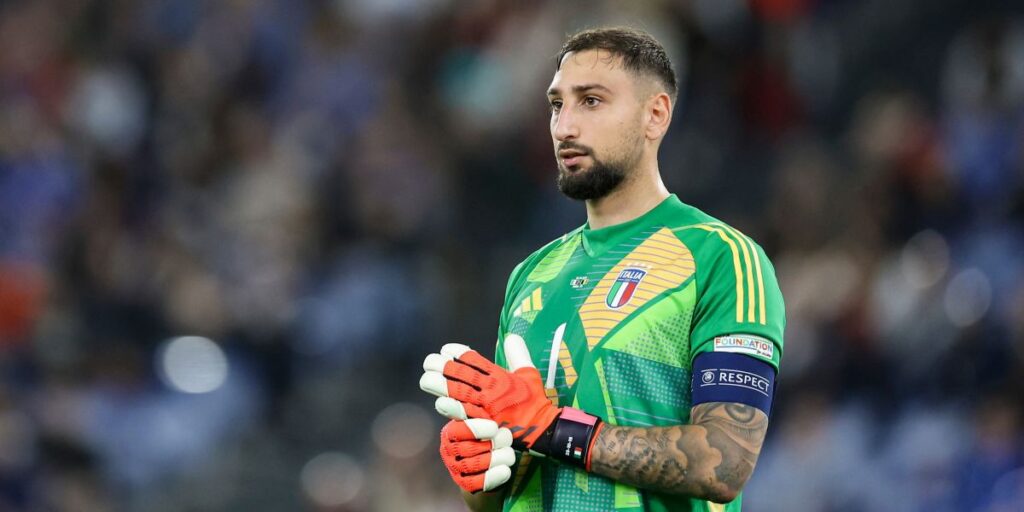
Italy’s failure to qualify for a third consecutive World Cup is one of the biggest shocks in international football. Gianluigi Donnarumma, widely regarded as one of the best goalkeepers in the world, will once again be absent from the tournament. Despite his individual excellence, Italy’s collective shortcomings proved costly. A new generation of Italian stars must now wait even longer to test themselves on the global stage. For Donnarumma, it is a bitter setback in an otherwise stellar career.
1. Victor Osimhen (Nigeria)
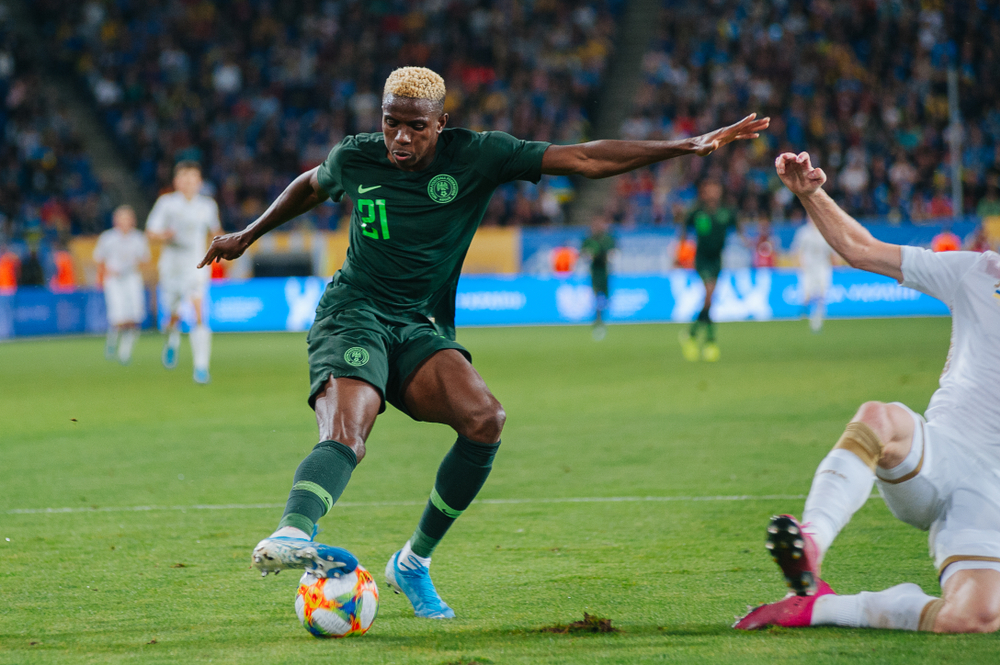
Victor Osimhen’s absence stands out above all others, given his status as one of the most complete strikers in world football. Nigeria were expected to qualify comfortably but fell apart at a crucial stage in the play-offs. Osimhen scored consistently throughout the campaign, yet lacked the support needed to carry his team over the line. At the peak of his powers, missing a World Cup is a huge blow both for him and for fans. His absence will undoubtedly leave a noticeable gap in the tournament’s attacking talent.
Read also: Spain fans slammed after anti-muslim chant vs Egypt as Lamine Yamal's reaction emerges