The Bundesliga may be one of Europe’s most electrifying leagues on the pitch, but behind the scenes, salaries vary dramatically.
While some players enjoy seven-figure contracts, others are laying the groundwork for their future on minimal pay.
This article highlights the least-paid professional at each Bundesliga club—a reminder that even at the top, not everyone earns like a star.
Augsburg

Augsburg has carved out a reputation for developing talent on a tight budget, prioritizing homegrown growth over expensive signings.
Noahkai Banks – £1,653/week | £86,000/year
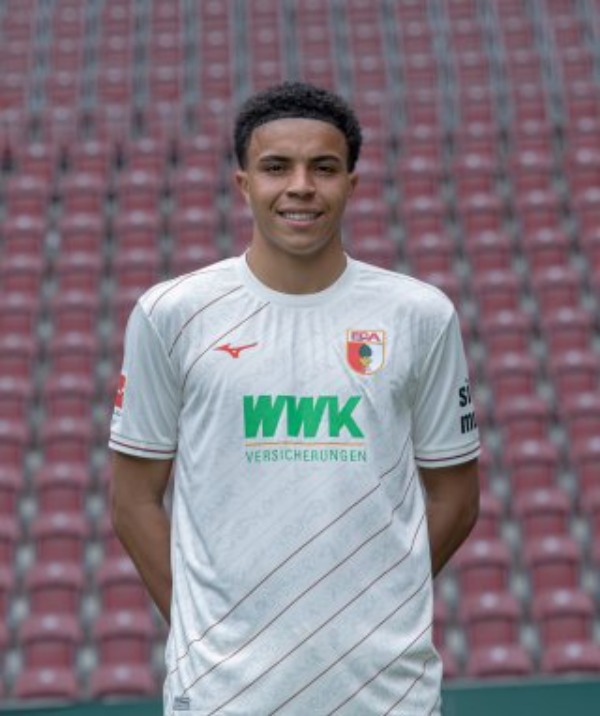
Banks is a young player with promise, currently on a contract that reflects his early place in the squad hierarchy.
His journey mirrors the club’s belief in gradual development and measured investment.
Bayer Leverkusen
Despite their title ambitions, Leverkusen consistently integrates young players through carefully structured salaries.
Luca Novodomsky – £2,313/week | £121,000/year
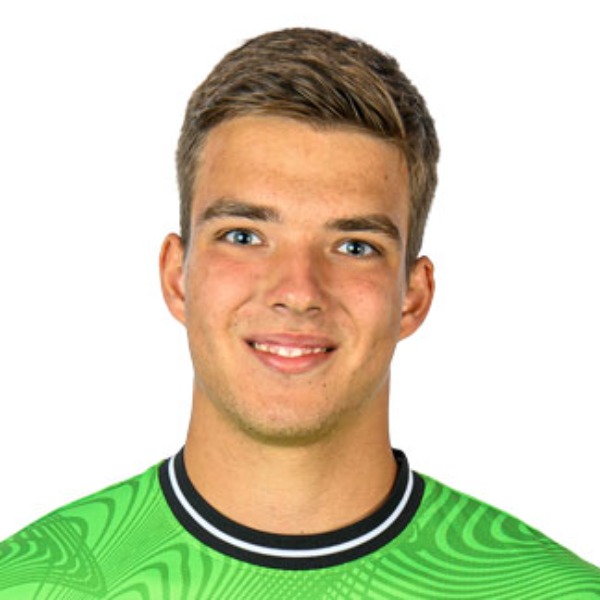
Novodomsky has started earning his stripes with the senior team, even though his contract remains modest.
His presence in such a strong squad highlights the club’s balanced wage structure.
Bayern Munich

Bayern’s wage scale ranges from global icons to prospects working their way up through the academy.
Tarek Buchmann – £2,481/week | £129,000/year

Buchmann’s pay is relatively low by Bayern standards but comes with the potential for major future upgrades.
His current deal marks the beginning of what the club hopes is a long journey in red.
Bochum

Bochum values work ethic and team spirit more than superstar wages, and it shows across their roster.
Moritz Broschinski – £1,984/week | £103,000/year
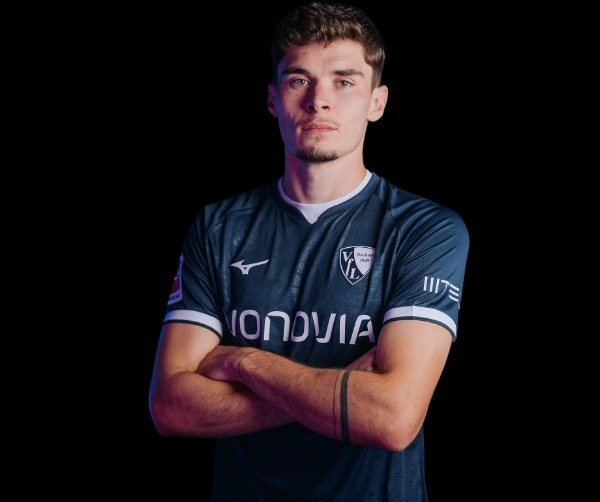
Broschinski earns a modest wage that aligns with his role as a steady contributor in a hardworking squad.
He exemplifies the club’s no-frills, high-effort approach.
Borussia Dortmund

Dortmund’s strategy of grooming young talent includes a wage system that encourages progress over pressure.
Silas Ostrzinski – £2,810/week | £146,000/year
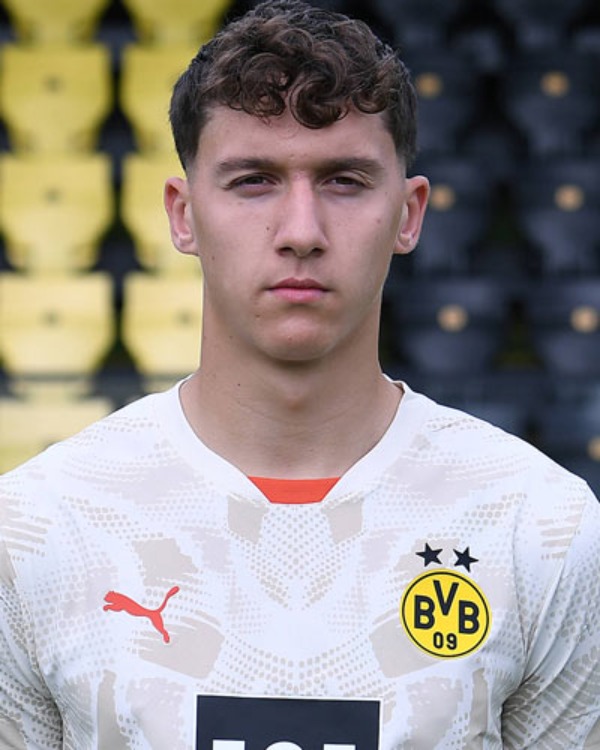
Ostrzinski’s earnings reflect his backup role, though the club sees him as a long-term project.
He’s learning in an environment known for shaping elite players.
Eintracht Frankfurt

Financially stronger than in past years, Frankfurt still promotes internal development through sensible salary policies.
Igor Matanovic – £4,631/week | £241,000/year

Matanovic may be the lowest earner at the club, but his pay is among the highest on this list.
It illustrates how Frankfurt’s base salary level has risen with its ambitions.
Freiburg

Freiburg’s consistent overachievement stems from stability, smart recruitment, and youth promotion.
Bruno Ogbus – £2,810/week | £146,000/year
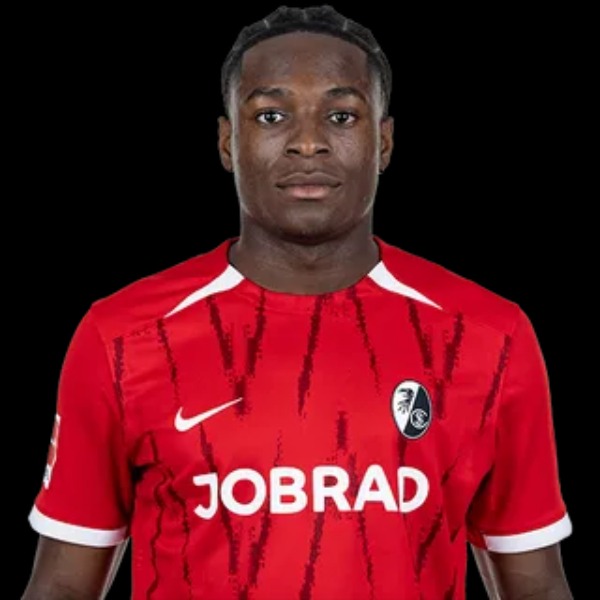
Ogbus is earning an average wage for a squad hopeful, with the chance to grow into a regular role. His path aligns with Freiburg’s steady and internally-driven philosophy.
Heidenheim

Heidenheim relies on tactical discipline and academy promotion to compete on one of the smallest budgets in the league.
Christopher Negele – £2,150/week | £112,000/year
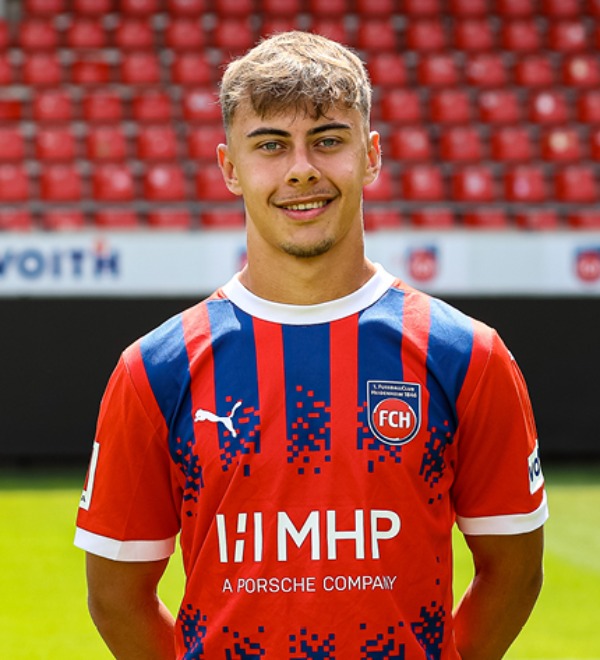
Negele’s pay package fits right into the club’s frugal but efficient financial model. He symbolizes Heidenheim’s belief in developing value rather than buying it.
Hoffenheim

With a history of balancing experience and youth, Hoffenheim continues to manage salaries carefully.
Lúkas Petersson – £1,984/week | £103,000/year
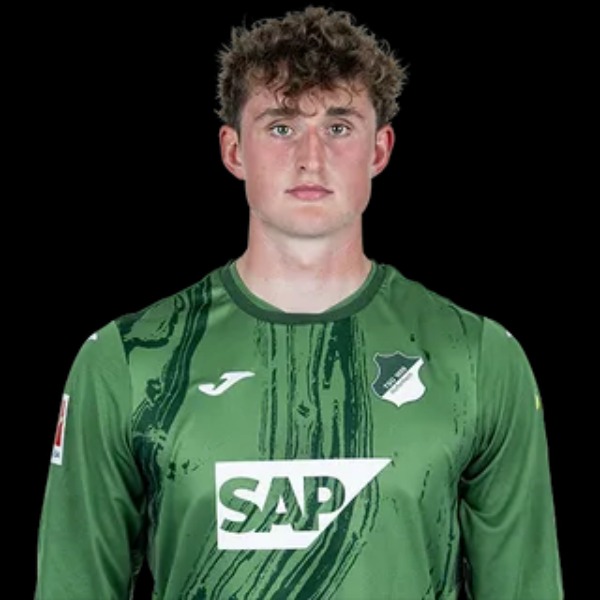
Petersson earns a modest wage as he works to move up from a reserve role to regular minutes. His trajectory reflects Hoffenheim’s long-standing focus on player growth.
Holstein Kiel
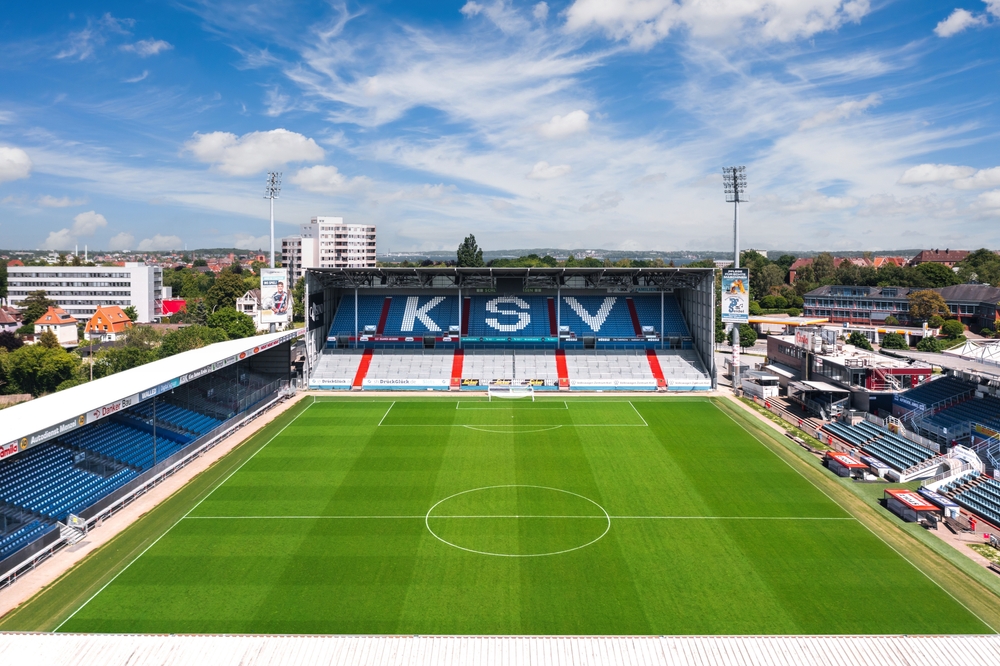
As a Bundesliga newcomer, Kiel is embracing youth and efficiency over marquee signings.
Tyler Doğan – £1,653/week | £86,000/year

Doğan’s contract is among the lowest in the division, though his potential is clear to see. He’s viewed as a long-term piece in Kiel’s top-flight survival strategy.
RB Leipzig

Leipzig’s success comes from spotting potential early and developing it without overspending too soon.
Viggo Gebel – £3,141/week | £164,000/year
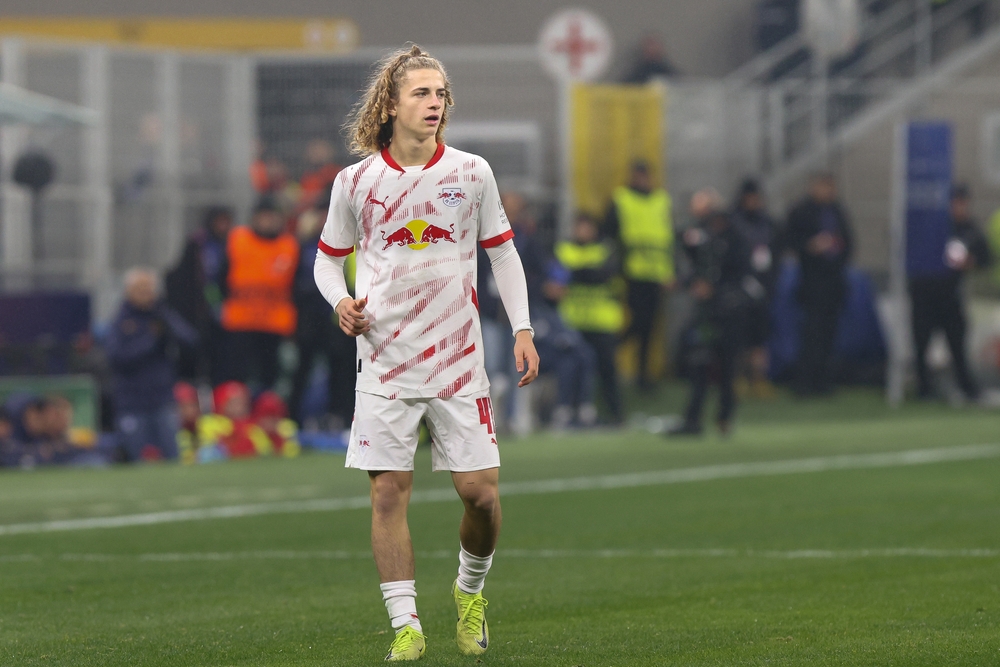
Gebel is still far from the spotlight, but the club’s wage offer suggests confidence in his rise. He is part of a structure built to reward growth with gradual increases.
Mainz 05

Mainz is one of the league’s standout talent developers, keeping costs low without sacrificing quality.
Maxim Dal – £3,637/week | £189,000/year

Dal’s salary is solid for a young player still carving out his spot in the first team.
His progression represents the club’s patient but persistent model.
Mönchengladbach

Rebuilding through youth, Gladbach is shifting towards a financially sustainable approach.
Shio Fukuda – £2,313/week | £121,000/year
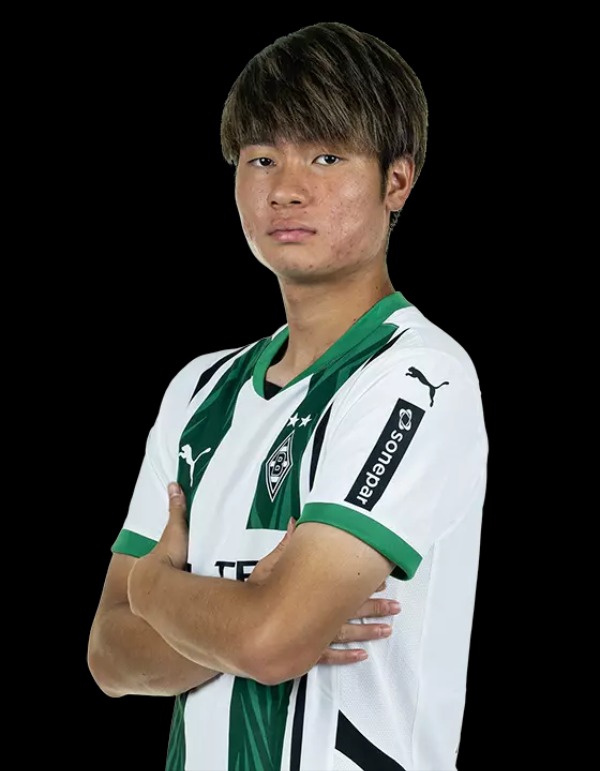
Fukuda is still adapting to the demands of top-level football, with a deal that reflects his raw potential. The club views him as part of its future rather than a short-term fix.
St. Pauli
St. Pauli’s unique identity favors unity and development over expensive transfers and contracts.
Abdoulie Ceesay – £2,313/week | £121,000/year
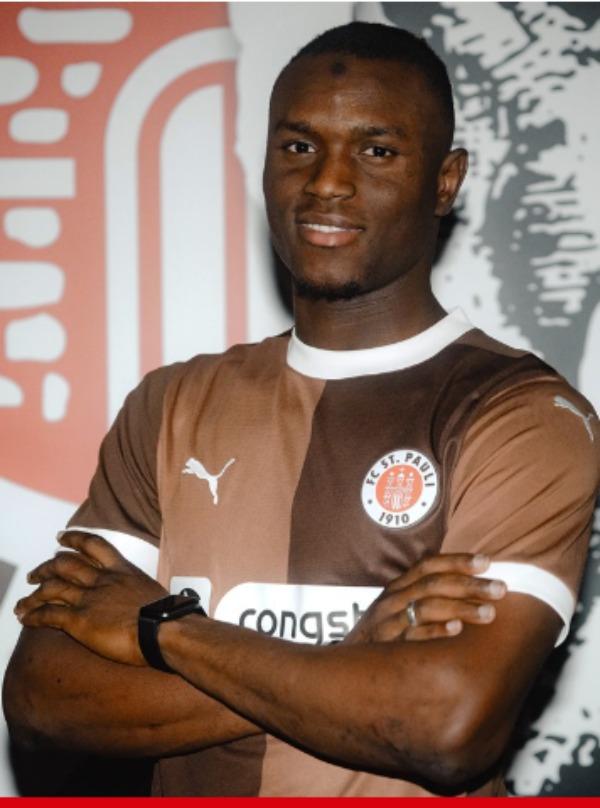
Ceesay earns a modest wage, but his chances of regular game time are very real. Supporters already see him as a player who could thrive in the club’s culture.
Stuttgart
Stuttgart has long produced talent through its youth academy, maintaining low salaries during early development.
Luca Raimund – £1,984/week | £103,000/year
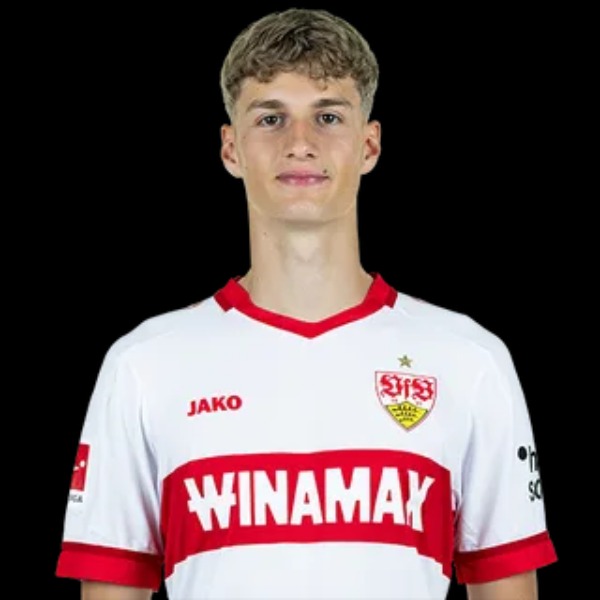
Raimund’s deal reflects his status as a squad hopeful with room to grow into a full contributor. He’s part of the club’s tradition of building from within.
Union Berlin

Even after competing in Europe, Union has remained grounded in how they structure contracts.
David Preu – £1,653/week | £86,000/year
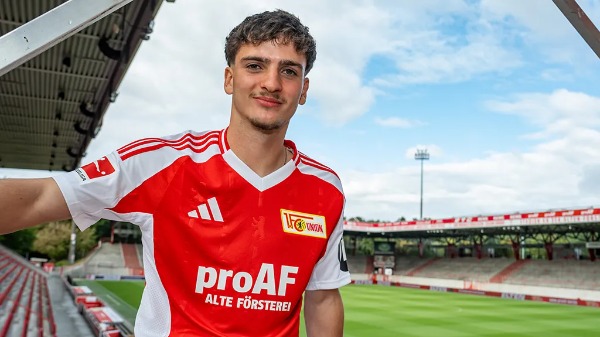
Preu is one of several youngsters earning modestly but with long-term plans in place. His current role may be small, but expectations are far from it.
Werder Bremen
Bremen blends tradition with opportunity, giving young players a chance to shine without pressure.
Abednego Nankishi – £1,488/week | £77,000/year

Nankishi earns the least of any Bundesliga player, yet his skill set has the club excited. His story proves that potential isn’t defined by earnings.
Wolfsburg

Wolfsburg’s development model favors promoting from the academy before paying big.
Mathys Angély – £1,653/week | £86,000/year
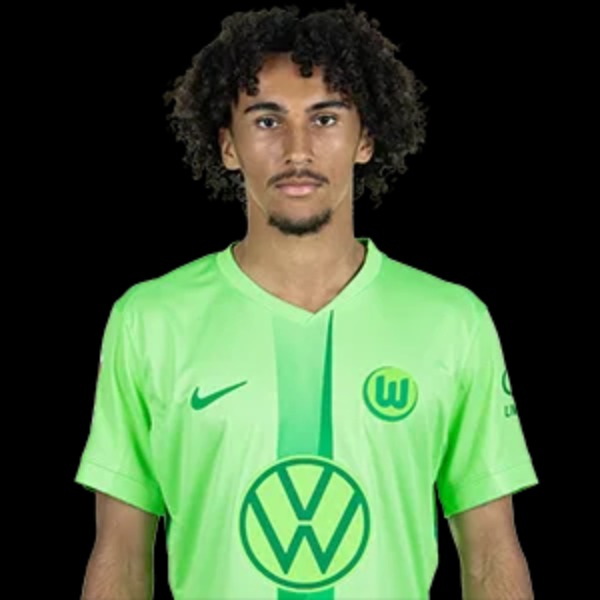
Angély is earning at the base level but has already broken into a competitive senior squad. The club hopes he can soon earn a new, upgraded contract.