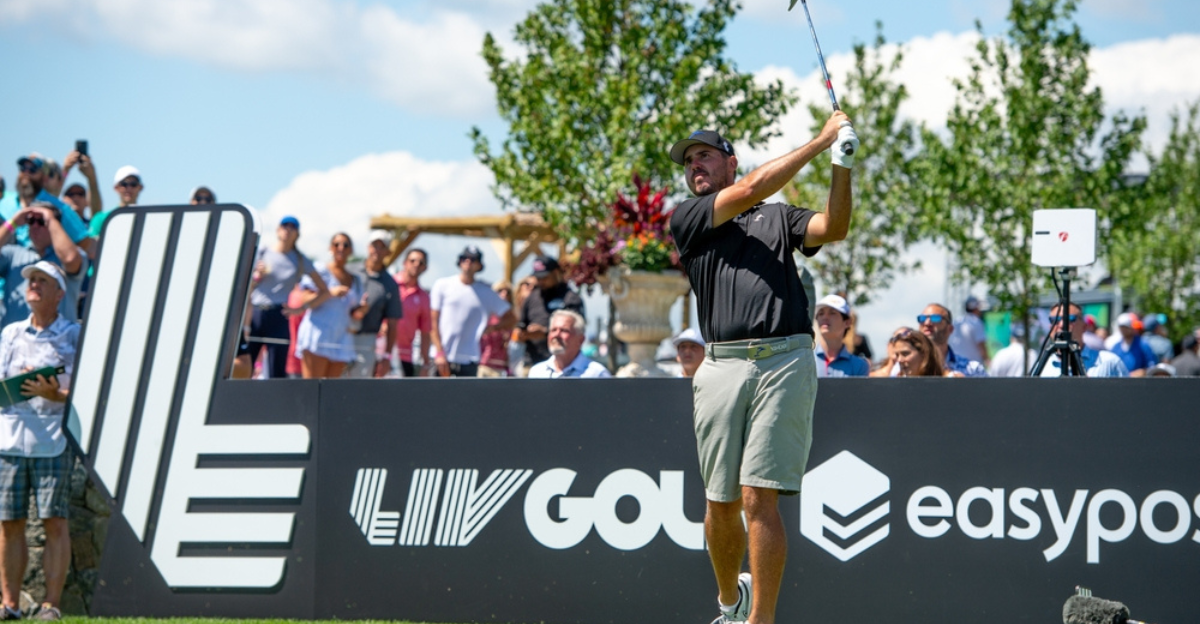
The redundancy notices went out inside LIV Golf’s offices on Wednesday. Most of the staff who had built the Saudi-funded circuit over four years were told their jobs would end as the league scales down to a leaner “LIV 2.0” for 2027, with CEO Scott O’Neil chasing an outside investor to replace the money that is about to walk out of the door.
The exit was set in April, when Saudi Arabia’s Public Investment Fund said it would fund LIV Golf “only for the remainder of the 2026 season”, calling the required outlay “no longer consistent with the current phase of PIF’s investment strategy”. The fund has poured more than $5 billion into the league since 2021.
PIF spent more than $6bn and never got the PGA Tour deal
The numbers were always going to force a reckoning. PIF’s cumulative investment in LIV was on track to pass $6 billion by the end of 2026, with net spending averaging roughly $100 million a month across 2024 and 2025. The 2026 season alone was propped up by a $266.6 million capital injection approved before the wider pullout.
None of it produced the deal that would have made the bill make sense. The June 2023 framework agreement with the PGA Tour, meant to reunite men’s professional golf under a single commercial umbrella, never turned into a merger. LIV’s UK entity ran up losses of about $1.4 billion. Fox Sports averaged around 40,200 viewers for final rounds in early 2025.
Read also: Manchester United told to ‘nick’ two Man City stars if relegation hits
Yasir Al-Rumayyan, the PIF governor who co-founded LIV, stepped aside as chairman of the league’s board on the same day the funding decision was made public.
The Iran war reordered the budget
The decision landed less than two months after Saudi Arabia’s own strategic map changed. Fighting with Iran broke out on 28 February 2026, and on 4 March Tehran shut the Strait of Hormuz, the choke point that carries most Gulf oil to Asia. Brent crude briefly pushed past $120 a barrel.
Saudi export capacity was hit hard even with the kingdom’s East-West pipeline still open. According to Golf.com’s analysis of the funding cut, Saudi oil exports fell from 10.4 million barrels a day to 7.25 million during the blockade, and the government signed a fresh $9 billion arms deal with the United States on top of a Neom megaproject already under review.
Two weeks before the LIV announcement, PIF unveiled a five-year investment strategy that skewed heavily to domestic Saudi projects. Analysis firm The ESK put the split at roughly 80% domestic to 20% international, with sport absent from the fund’s board-approved priority ecosystems. PIF representatives told international investors the fund was “unable to allocate any more money” for the foreseeable future.
Read also: Thierry Henry issues blunt warning over Liverpool’s £123m signing
The sports PIF is still cutting
The retreat is selective, not total. PIF still holds an 85% stake in Newcastle United, raised from 80% in July 2024, and is in talks about selling a minority slice of the club to help finance a stadium project that could cost more than £1 billion. Newcastle posted record commercial revenue of £335.3 million in the 2025 financial year and won the League Cup in March that year, the club’s first domestic trophy in seven decades.
Golf’s Asian Tour, however, has already moved on from the LIV-backed arrangement that was underwritten by a reported $300 million commitment. In July 2026 the Asian Tour signed a new partnership with the PGA Tour and DP World Tour, closing the door on the Saudi-aligned model.
PIF pulled its bid for the 2029 Asian Winter Games, dropped a planned bid for the 2035 Rugby World Cup, and shut the Saudi Snooker Masters. Boxing, MMA, esports and tennis outlays have all been trimmed as the fund reorders its balance sheet at home.
O’Neil looks for a new backer
O’Neil says he has a lead investor lined up, with multiple reports naming private equity firm BC Partners and its head of credit Ted Goldthorpe. The CEO is targeting between $250 million and $350 million for what he calls “LIV 2.0”: 10 events across five US and five international markets in 2027, and, in a first for a major global sports league, majority equity for the players themselves. He has not ruled out routing the restructuring through a bankruptcy filing.
Read also: Roy Keane goes nuclear on Man City after 114 guilty findings
The seven remaining 2026 events still go ahead on the current schedule, with all players contracted through season’s end. LIV Golf’s 2026 season closes at the team championship, and the deal with the new lead backer is expected to close in September.
Read also: Here is Foden’s Man City exit route