Top 25 Premier League transfers that went wrong
Not every failed transfer can be pinned on the club. Sometimes the fee is too high, sometimes the fit is wrong, and sometimes the player simply does not perform at the level everyone expected. That is what makes lists like this so compelling: they are not just about bad recruitment, but about big reputations, big wages, and even bigger disappointments. Broadly, I agree with most of the names on the list made by ESPN, but I would treat the order as highly debatable. A more convincing way to look at it is as an unranked collection of signings that promised much more than they delivered.
Mykhaylo Mudryk
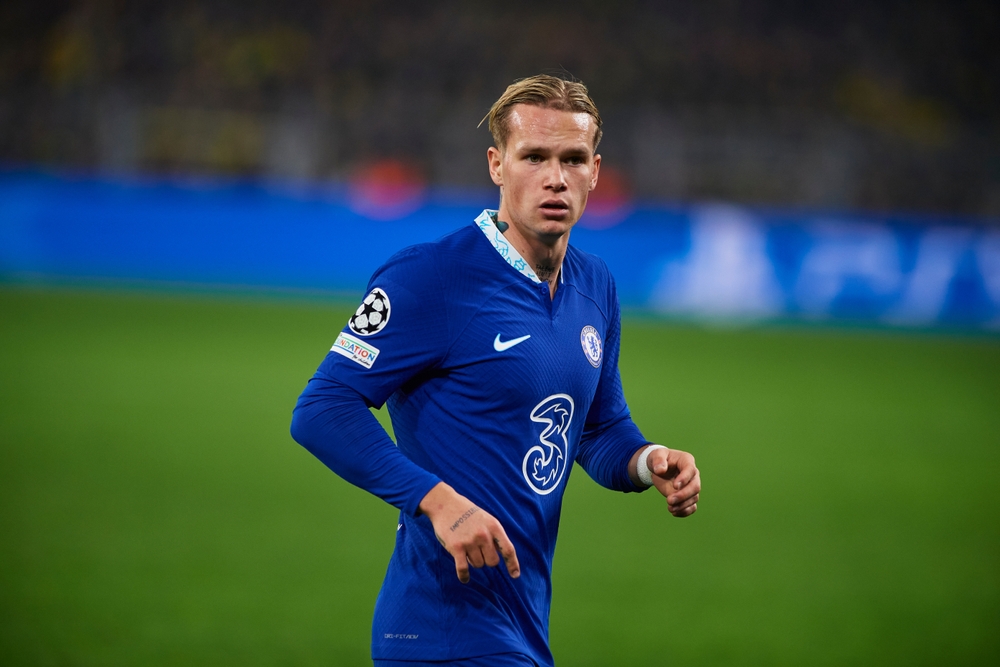
Mudryk arrived at Chelsea with electric pace, direct dribbling, and the kind of raw explosiveness that can terrify defenders in open space. At his best, he looks like a player who can change a game in seconds. The problem is that those moments have been far too rare, especially considering the size of the fee and the hype around the move. His decision-making in the final third has often let him down, and his end product has not matched his athletic gifts. That gap between talent and output is exactly why he belongs on this list.
Antony
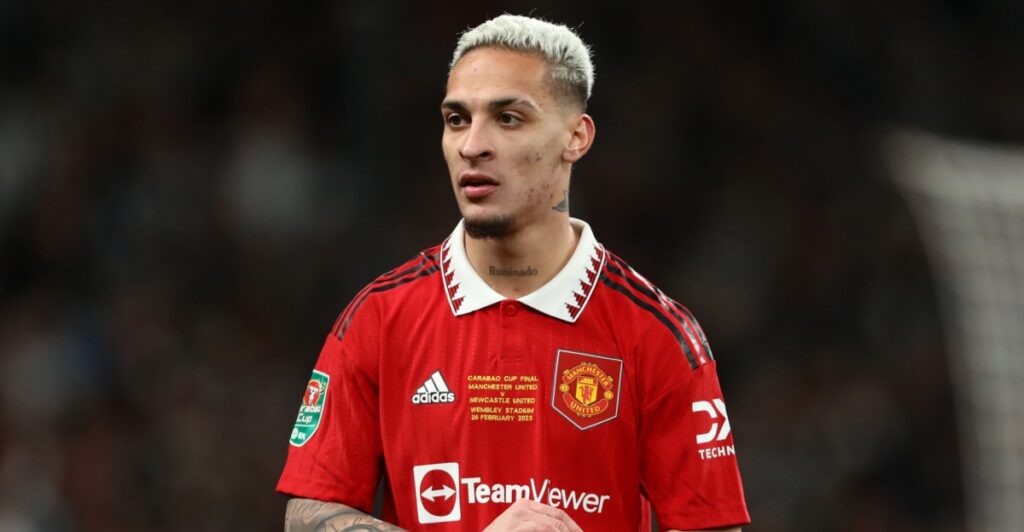
Antony came to Manchester United with flair, close control, and a lovely left foot that made him a constant threat cutting in from the right. He also brought confidence and a willingness to take defenders on, which is never a bad starting point for a wide player. But for all the style, the substance has been badly lacking. He has too often looked predictable, short on goals, short on assists, and unable to justify a massive transfer fee. When a player costs that much, neat touches alone are never enough.
Nicolas Pépé
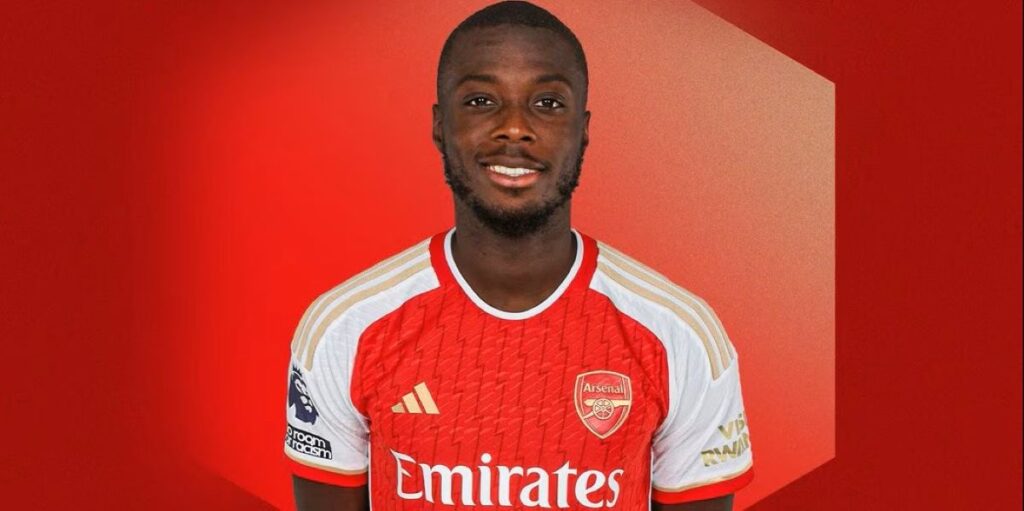
Pépé had real qualities when he joined Arsenal: pace, balance, a dangerous left foot, and the ability to score and create from wide areas. On paper, he looked like the sort of attacker who could stretch games and produce match-winning moments. In flashes, he did exactly that, but the consistency never came. He struggled to impose himself week after week, and the record fee made every quiet performance feel even louder. That is why his Arsenal spell is remembered more for the price tag than the football.
Read also: “I want to kill him” Didier Drogba clash exposed
Ali Dia
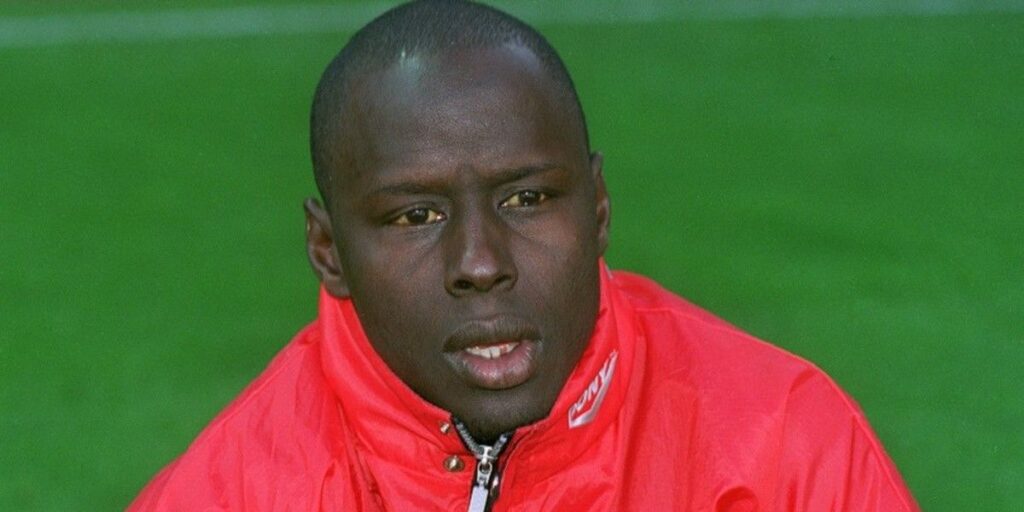
Ali Dia is on this list for a very different reason from most of the others. He was not a marquee signing with proven pedigree, but rather one of the strangest and most infamous transfer stories English football has ever seen. The fact that he even made it onto the pitch for Southampton turned the whole episode into legend. There were no elite strengths to speak of at Premier League level, and that is exactly the point. He remains a symbol of a transfer that never should have happened in the first place.
Danny Drinkwater
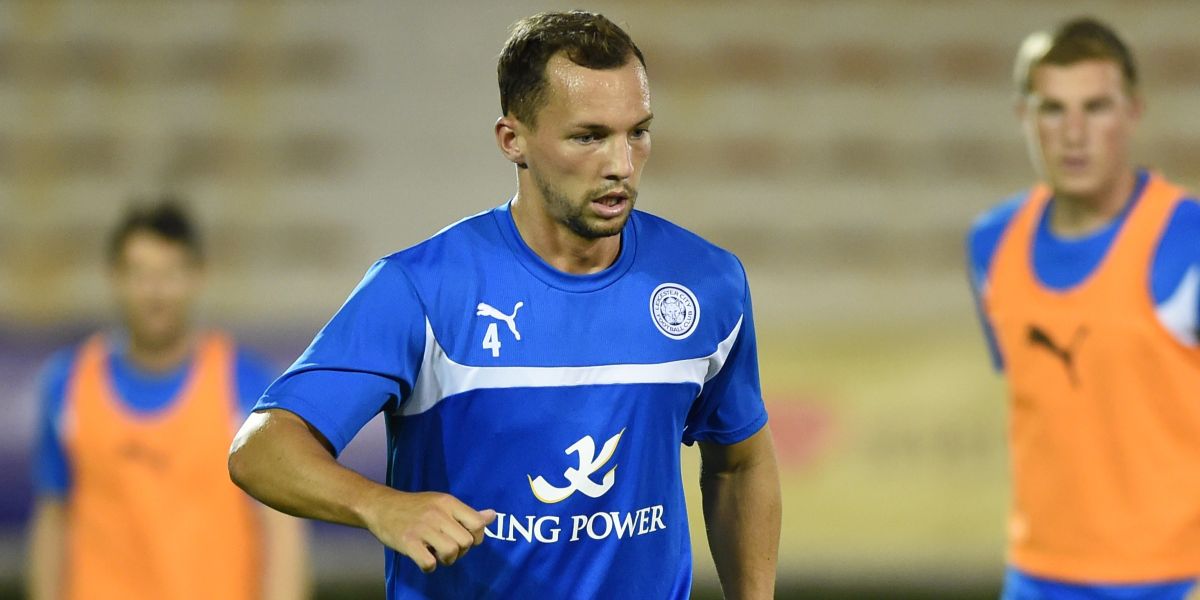
Drinkwater moved to Chelsea as a Premier League winner with Leicester City, known for his work rate, passing range, and tactical discipline in midfield. He looked like a dependable player who understood his role and could bring control to the center of the pitch. Instead, the move unraveled almost immediately. Injuries, a lack of rhythm, and fierce competition meant he never established himself, and his influence quickly faded. For a player signed at that cost, the return was nowhere near enough.
Ricky Álvarez
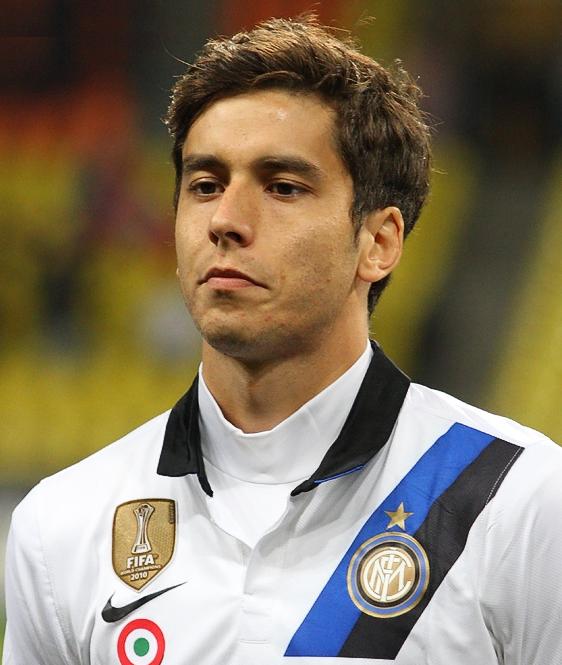
Álvarez arrived at Sunderland with technical quality, composure on the ball, and the versatility to operate in several attacking roles. There was a sense that he could bring a bit of class and invention to a side that badly needed it. Yet his time in England never really settled, and he struggled to make a lasting impact. Physical intensity, inconsistency, and the chaos around the club all played a part. Even so, he did not do enough individually to escape the label of a failed move.
Romelu Lukaku
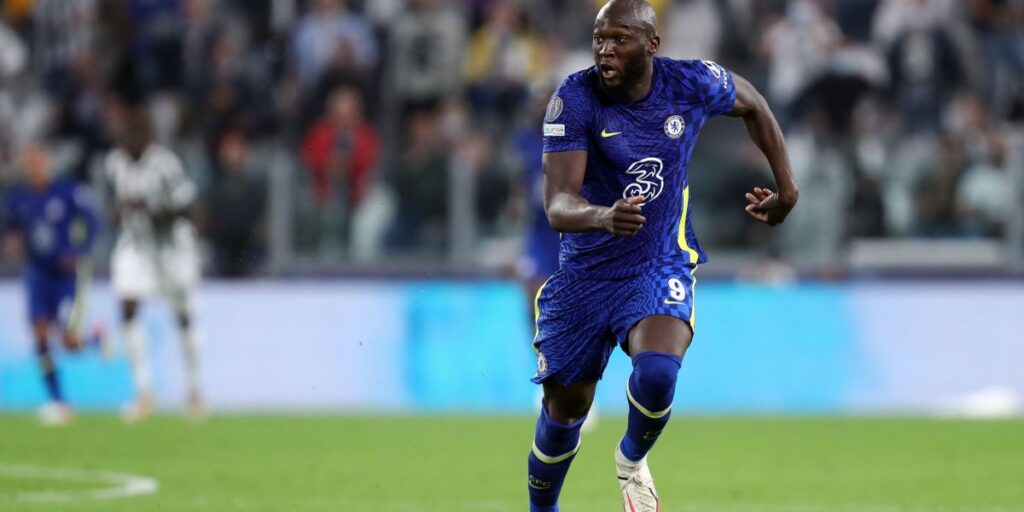
Lukaku’s strengths were obvious when Chelsea brought him back: power, movement in the box, proven scoring instincts, and years of top-level experience. He was supposed to be the final piece, the striker who would turn Chelsea into serious title challengers again. Instead, the move became a mess of poor form, awkward fit, and public tension. His all-round play never consistently clicked with the system, and his confidence seemed to dip quickly. For that price and expectation level, it became one of the Premier League’s biggest disappointments.
Read also: Bryson DeChambeau’s water skip shot turns a practice round into a physics lesson
Jadon Sancho
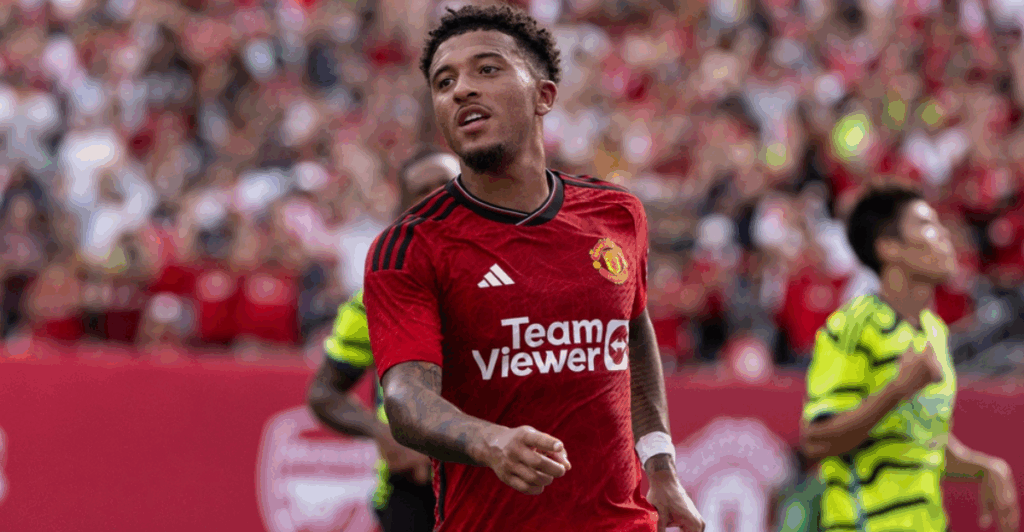
Sancho joined Manchester United with outstanding creative numbers, silky dribbling, clever movement, and the reputation of one of Europe’s brightest attacking talents. He had already shown he could score, assist, and dictate games from wide areas. What followed, though, was a long struggle for rhythm, authority, and identity. He rarely looked like the fearless attacker who had starred in Germany, and the output never matched the excitement around the deal. That contrast between promise and delivery is why his signing belongs here.
Tomas Brolin
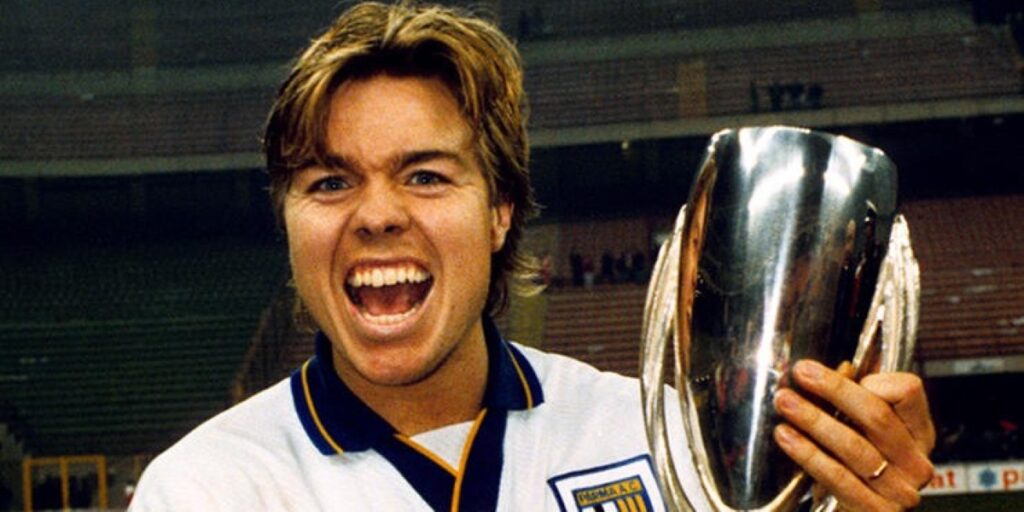
Brolin brought pedigree, vision, and technical ability when he joined Leeds United, and there was every reason to think he could add quality in the final third. At his peak, he had been a clever and influential attacking player with genuine international class. But by the time he arrived in England, the sharpness and drive were not there in the same way. Fitness issues and a lack of impact made the move feel stale almost from the start. He became another example of a big name arriving after the best years had already passed.
Kalvin Phillips
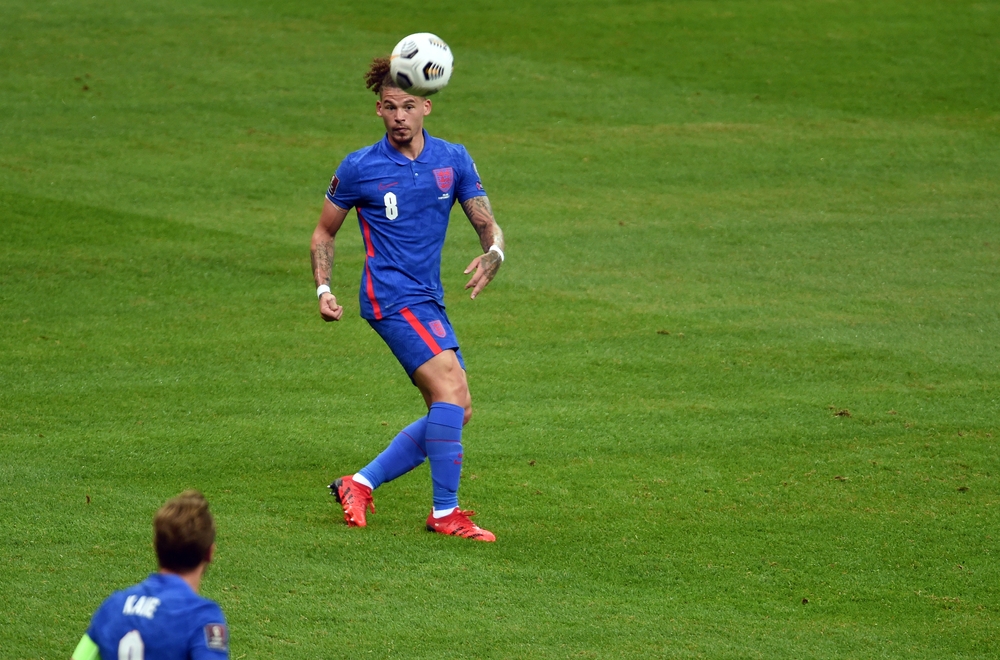
Phillips earned his move to Manchester City through intelligence, positioning, and the ability to control midfield spaces both in and out of possession. He had been excellent for Leeds United and England, offering balance, discipline, and calm distribution. But things never clicked at City, where injuries and a lack of trust left him on the margins. He struggled to adapt to the demands of Pep Guardiola’s system and never looked fully convincing when chances came. For a player of his reputation, the move simply went nowhere.
Alexis Sánchez

Sánchez arrived at Manchester United with elite Premier League pedigree, relentless energy, sharp movement, and proven match-winning quality. At Arsenal, he had been one of the division’s most dynamic attackers, capable of carrying a team through difficult spells. At United, though, the spark disappeared. His touch looked heavier, his confidence dipped, and the explosive edge that made him special was no longer there. The wages only made the disappointment feel even bigger.
Read also: Kanye West denied stadium shows by Premier League club amid controversy
Bosko Balaban

Balaban was seen as a forward with physical presence, finishing instinct, and the profile to trouble defenders in English football. Aston Villa hoped they were signing a striker who could translate his scoring promise into the Premier League. Instead, his impact was minimal, and he never looked comfortable or fully trusted. A striker can survive a slow start, but not when the goals fail to come and opportunities dry up quickly. That is why his name still comes up in conversations like this.
Wesley Fofana

Fofana has genuine quality: speed across the ground, strength in duels, and the ability to defend aggressively while still looking calm on the ball. When fit and confident, he can look like one of the most complete young center-backs around. The issue is that Chelsea paid for a cornerstone defender and have too rarely had one available. Injuries have defined too much of his time at the club, and availability is part of value in any transfer. It is harsh, but that is why he is included.
Steve Marlet

Marlet arrived at Fulham with a solid reputation, decent movement, and the sense that he could offer goals and intelligence in attack. He was not without ability, and there were signs he could link play neatly and occupy defenders. But he never justified the fee, and the output fell well short of what was expected. When a striker costs serious money, people remember the missed chances and the lack of goals more than the clever runs. That is the burden he never escaped.
Dani Osvaldo
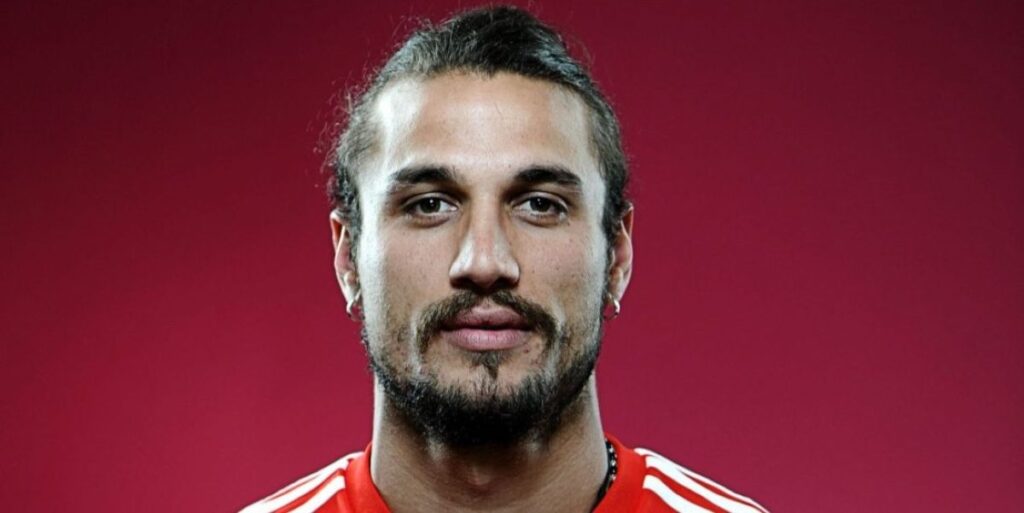
Osvaldo had talent in abundance: technique, swagger, clever finishing, and the ability to produce moments of real quality around the box. He looked like the kind of striker who could thrive if he settled quickly and found confidence. The trouble was that his time at Southampton was overshadowed by inconsistency and off-field issues, which made it impossible for him to build momentum. His flaws in temperament ended up defining the move more than his football did. In cases like this, the player has to carry a large share of the blame.
Read also: Arne Slot on his Liverpool position: "I'm not worried
Winston Bogarde
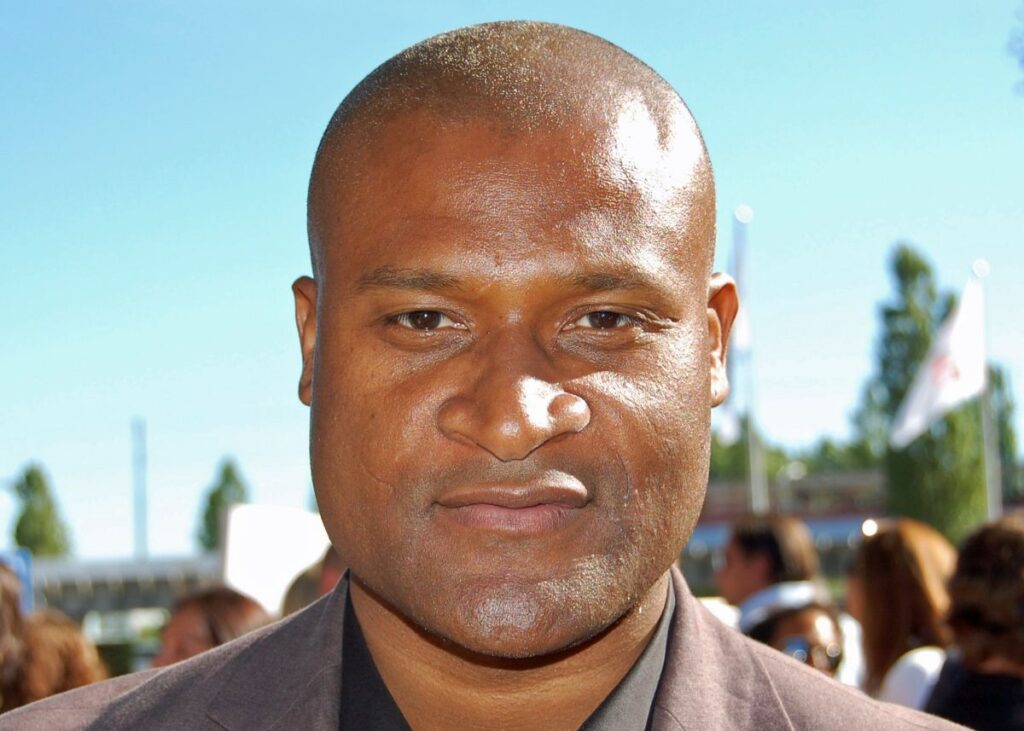
Bogarde had played at the highest level and came to Chelsea with experience, composure, and tactical understanding. On reputation alone, it did not look like a foolish signing. But the move quickly became notorious because he barely played and still remained at the club on huge wages. From Chelsea’s side, it was a costly mistake; from the player’s side, there was never enough football to justify the deal. That deadlock is what made the transfer so infamous.
Andriy Shevchenko
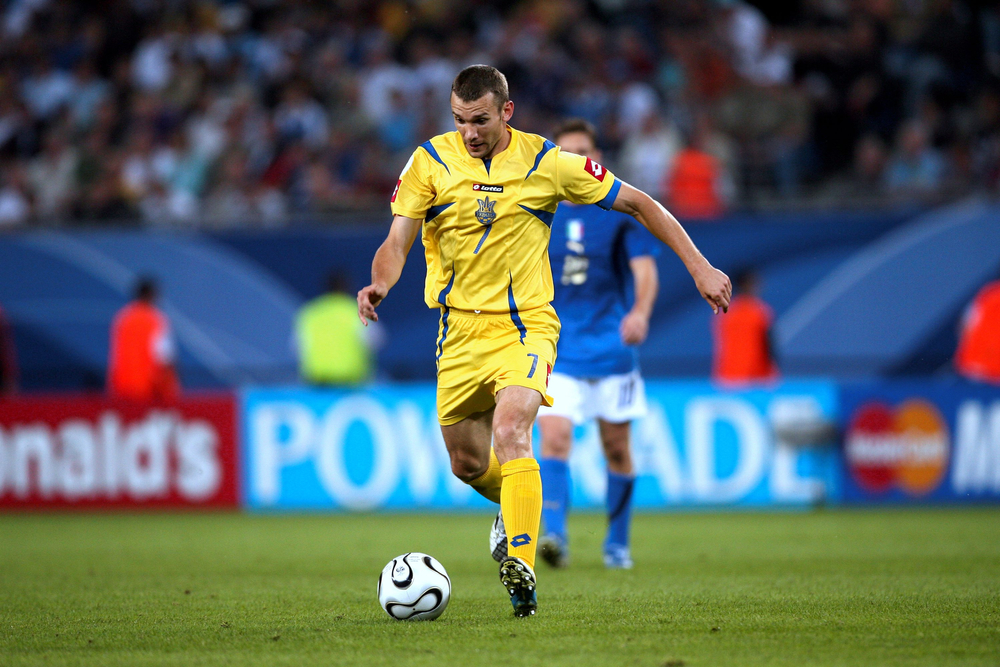
Shevchenko arrived with a glittering reputation, elite finishing history, clever movement, and years of goals behind him. Chelsea believed they were signing one of Europe’s most reliable strikers, and on paper it looked like a statement move. Yet he never adapted fully to the speed and physicality of the Premier League, and he rarely looked natural in Chelsea’s attack. The instinct was still there in flashes, but the authority had faded. When a Ballon d’Or winner falls short, the disappointment always feels bigger.
David Bentley
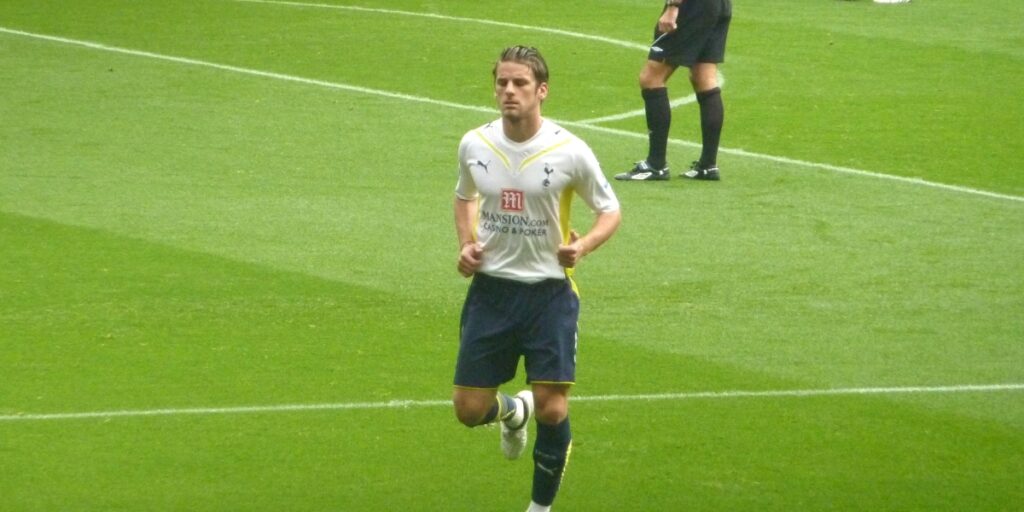
Bentley joined Tottenham after showing quality at Blackburn Rovers, where his delivery, crossing, and technique had made him one of the league’s more interesting wide players. He could strike a ball beautifully and had the confidence to try ambitious passes and shots. But at Spurs, his game lost direction and consistency. He never became a dependable starter, and the move quickly felt like one that inflated potential beyond reality. That is often how costly disappointments are made.
Bebe
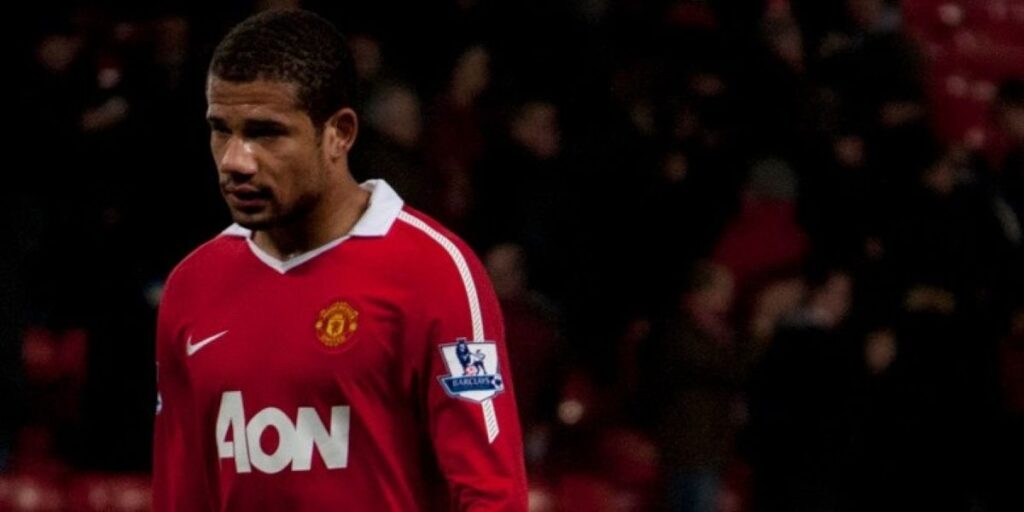
Bebe’s story at Manchester United remains one of the strangest modern transfers. He had raw pace and physical tools, but he arrived without the polish or proven level expected of a United signing. The gap between where he was and where he needed to be was simply too large. He looked like a gamble rather than a finished player, and the gamble did not pay off. In a club of that size, that sort of recruitment error never gets forgotten.
Read also: Bruno Fernandes names his ideal Manchester United successor
Andy Carroll
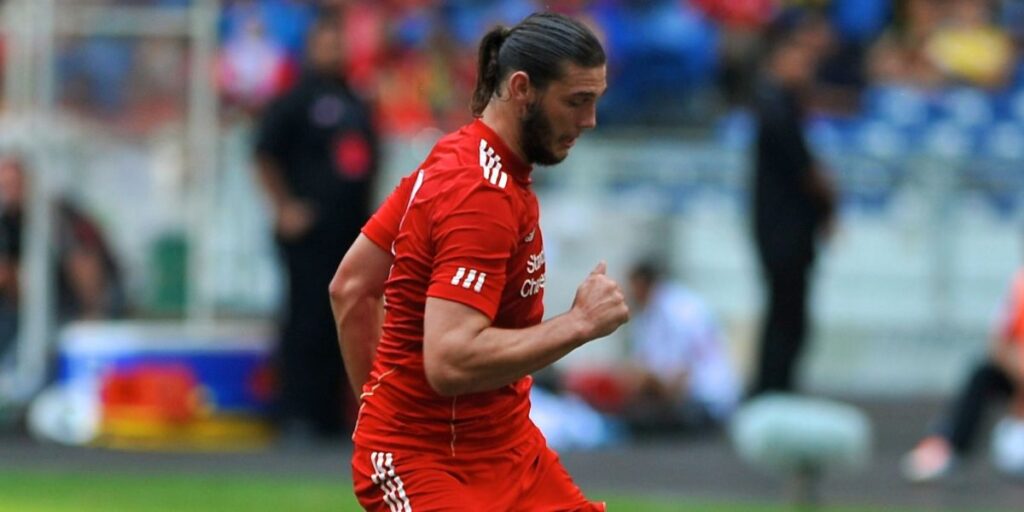
Carroll brought obvious strengths to Liverpool: aerial power, physicality, aggression, and a real ability to unsettle center-backs. He could dominate in the air and make life miserable for defenders when used correctly. But the fee was enormous, and that changed the standard by which he would be judged. Injuries, inconsistency, and a style mismatch made it hard for him to deliver the level expected. On his own terms he was useful at times, but for that price he was always going to fall short.
Mario Balotelli
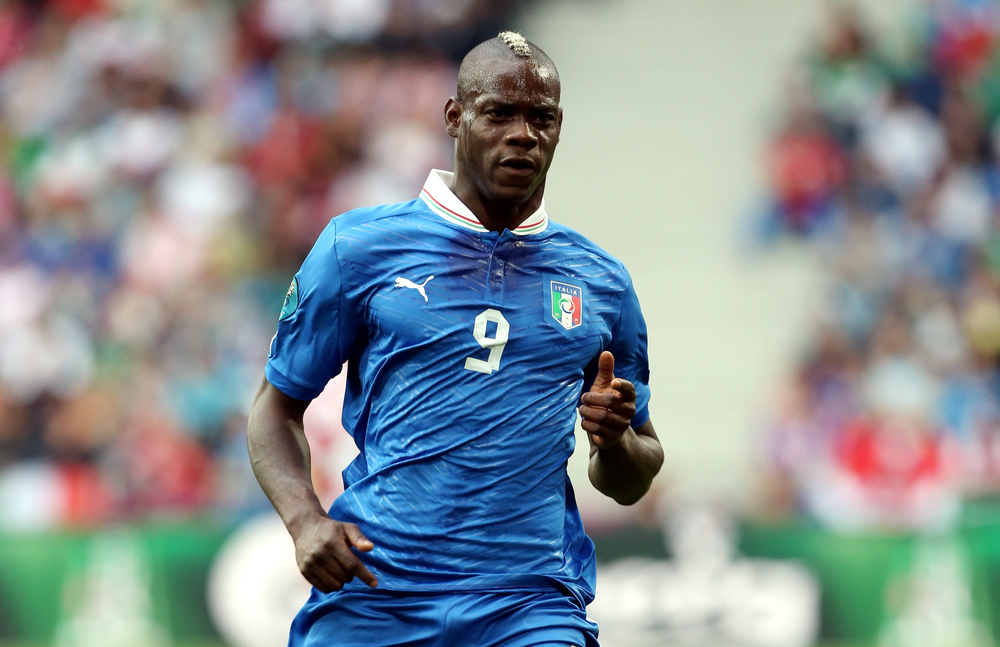
Balotelli had talent few players could match. He was strong, technically gifted, unpredictable, and capable of outrageous finishes that made everything look easy. Liverpool hoped they could unlock that brilliance on a consistent basis. Instead, they got a striker who never looked truly suited to the system and never established rhythm in front of goal. The flaws that had followed him elsewhere again outweighed the gifts.
Rasmus Højlund
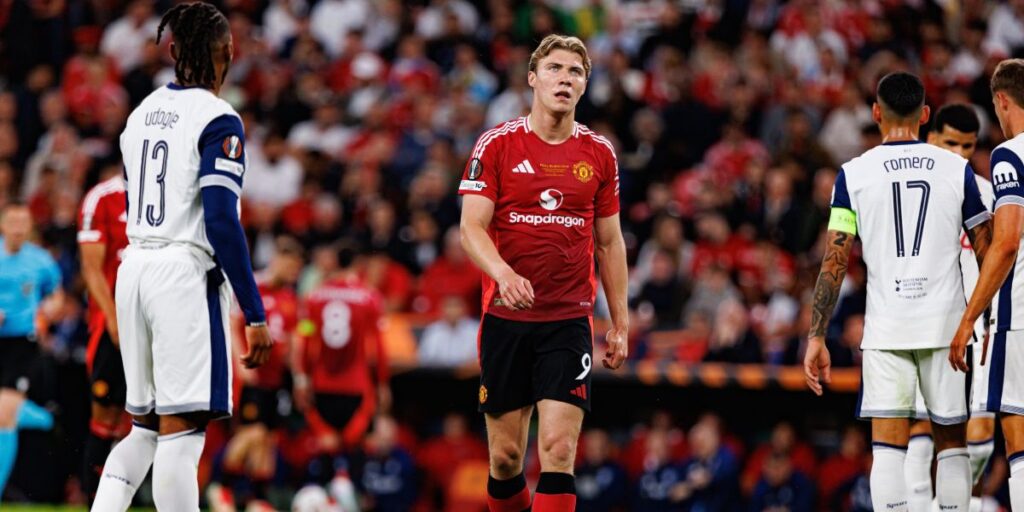
Højlund has clear upside: pace, hunger, strong running power, and the profile of a modern center-forward who can stretch defenses and attack space. He also works hard and plays with conviction, which matters at a difficult club. Still, the price and pressure attached to the move were huge, and he arrived as a relatively unpolished striker asked to solve major problems immediately. His finishing and hold-up play have shown promise but also inconsistency. That is why some people already place him on lists like this, even if it may still be too early for a final verdict.
Eliaquim Mangala
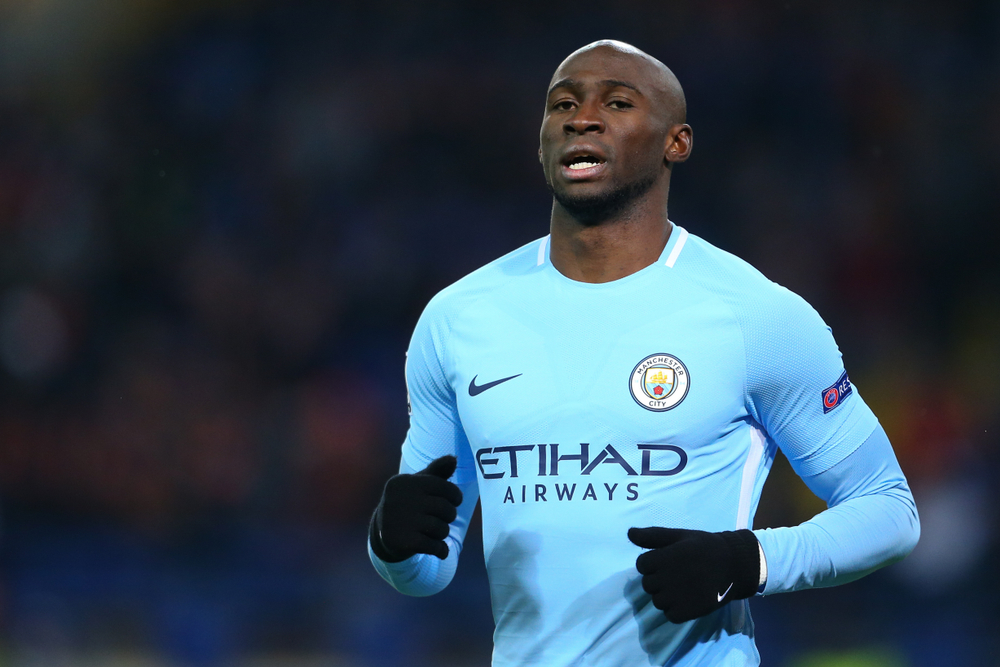
Mangala looked like a classic top-level center-back when he joined Manchester City: powerful, quick, left-footed, and physically dominant. On paper, he seemed built for the Premier League. In practice, too many mistakes crept into his game, especially under pressure. Positioning, decision-making, and composure did not hold up consistently enough, and confidence appeared to drain away. A defender with his tools should have become a fixture, which is why the failure stands out.
Tanguy Ndombele
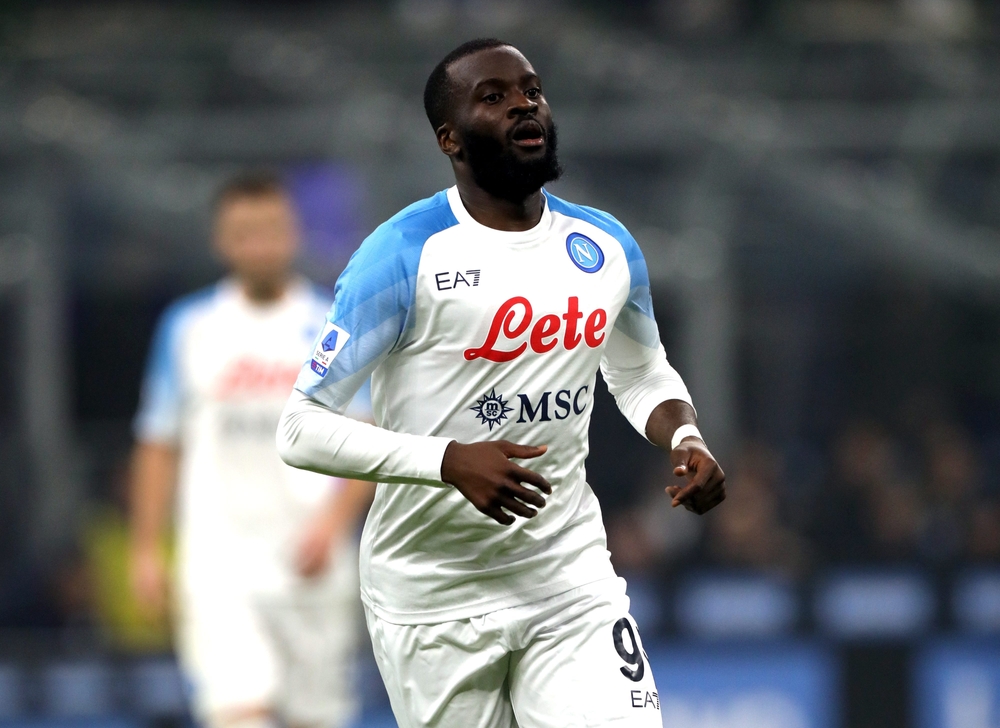
Ndombele had some of the most exciting strengths of anyone on this list. He could glide past players, resist pressure, play progressive passes, and make midfield football look effortless. At his best, he seemed capable of running games through pure talent. The problem was that the intensity, discipline, and consistency were never there often enough. When natural ability is that obvious, the frustration becomes even greater when the player does not fully apply it.
Kepa Arrizabalaga
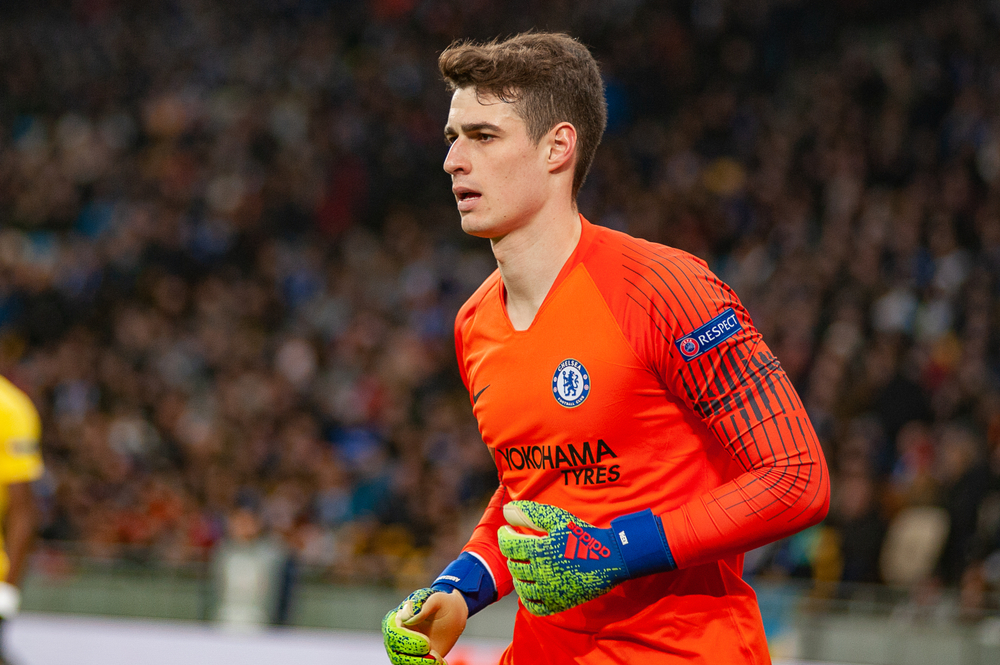
Kepa came with quick reflexes, good footwork, and the technical confidence that modern teams want from a goalkeeper in possession. Chelsea were clearly buying a keeper for both the present and the future. But the world-record fee for a goalkeeper hung over everything, and his performances rarely silenced the doubts for long. He has had decent spells, but not enough commanding authority or reliability to justify that cost. In the end, the price tag made an already difficult evaluation much harsher.
Final thoughts
So, do I agree with ESPN’s selection? Largely, yes. Most of these names deserve to be in the discussion because the issue was not just poor club planning, but also players failing to meet the demands, pressure, and expectations that came with the move. What I would not strongly agree with is the exact ranking, because comparing a bizarre case like Ali Dia with an expensive underperformer like Antony or Lukaku is always subjective. The stronger argument is that these are 25 of the most disappointing Premier League transfers, not necessarily the 25 in the perfect order.