Trump comments toward Canada and Mexico complicate 2026 World Cup build-up
As preparations accelerate for the 2026 FIFA World Cup, political tensions involving one of the tournament’s host nations are increasingly intersecting with the event’s global spotlight.
The expanded World Cup, jointly hosted by the United States, Canada and Mexico, is scheduled to begin on June 11, 2026. Matches will be staged across 11 U.S. cities, alongside games in Toronto and Vancouver, as well as Mexico City, Guadalajara and Monterrey. The scale of the tournament — expected to draw millions of fans across borders — has placed unusual emphasis on diplomatic coordination among the three hosts.
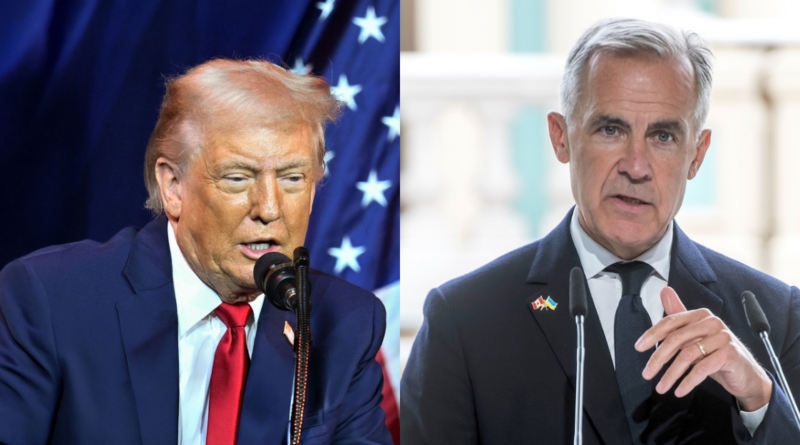
That backdrop has sharpened focus on recent comments and policy threats from U.S. President Donald Trump toward both Canada and Mexico.
Comments on Mexico draw attention
Earlier this month, Trump criticised Mexico’s security situation during an interview with FOX News, following recent U.S. military actions abroad. According to FOX, the president described the situation south of the border in stark terms.
Read also: The sports records that may never be broken again
“It’s very sad to watch and see what’s happened to that country,” Trump said, claiming that drug “cartels are running” Mexico.
The remarks were notable given Mexico’s central role in opening the tournament and hosting multiple high-profile matches. Security cooperation between the three host nations is considered a key component of World Cup planning, particularly given the volume of international travel expected during the month-long event.
Trade threat aimed at Canada
Canada has also been drawn into the political dispute. On January 24, Trump warned that Ottawa could face sweeping trade penalties if it deepens economic ties with China.
Writing on his Truth Social platform, Trump said: “If Canada makes a deal with China, it will immediately be hit with a 100% Tariff against all Canadian goods and products coming into the U.S.A.”
Read also: The phone call that changed Thierry Henry’s career
The warning came after Canadian Prime Minister Mark Carney announced that Canada and China had reached an agreement focused on electric vehicles, following talks with Chinese President Xi Jinping.
Trump has not provided details on how such a tariff would be implemented. He has previously announced a 35 percent levy on certain Canadian goods that fall outside existing North American trade agreements.
Diplomatic strain between leaders
Relations between Trump and Carney appear strained. Earlier this month, Carney was removed from a proposed U.S.-led “Board of Peace,” an initiative Trump has described as a new forum for resolving international disputes.
Speaking later the same day, Trump remarked, “Canada lives because of the United States.”
Read also: Infantino’s joke reignites anger over World Cup ticket prices
Carney responded by emphasising what he called the two countries’ “remarkable partnership,” while rejecting the suggestion that Canada depends on Washington for its survival.
Trump has previously referred to Canada as America’s “51st state,” comments that have drawn criticism from Canadian officials.
Implications for the tournament
Beyond diplomatic rhetoric, practical concerns have also emerged. Existing U.S. visa freezes and travel restrictions could affect supporters from several World Cup nations, raising questions about fan access and logistics.
FIFA has not publicly commented on the political disputes, but past tournaments have shown that cross-border cooperation — from customs processing to security coordination — is critical to hosting a smooth World Cup.
Read also: Dana White blocks Francis Ngannou’s UFC return for Trump promoted White House event
With less than six months until kickoff, organisers continue to press ahead with preparations. Still, the evolving political relationship between the three host countries has become an additional variable as the world’s biggest sporting event draws closer.
Sources: FOX News, Truth Social
Read also: Alpine reveal 2026 F1 car on the sea