UFC stories of the week: Retirement to danger with Israel
Here are some of the stories in the UFC world of the week
Colby Covington looks more invested in RAF than UFC
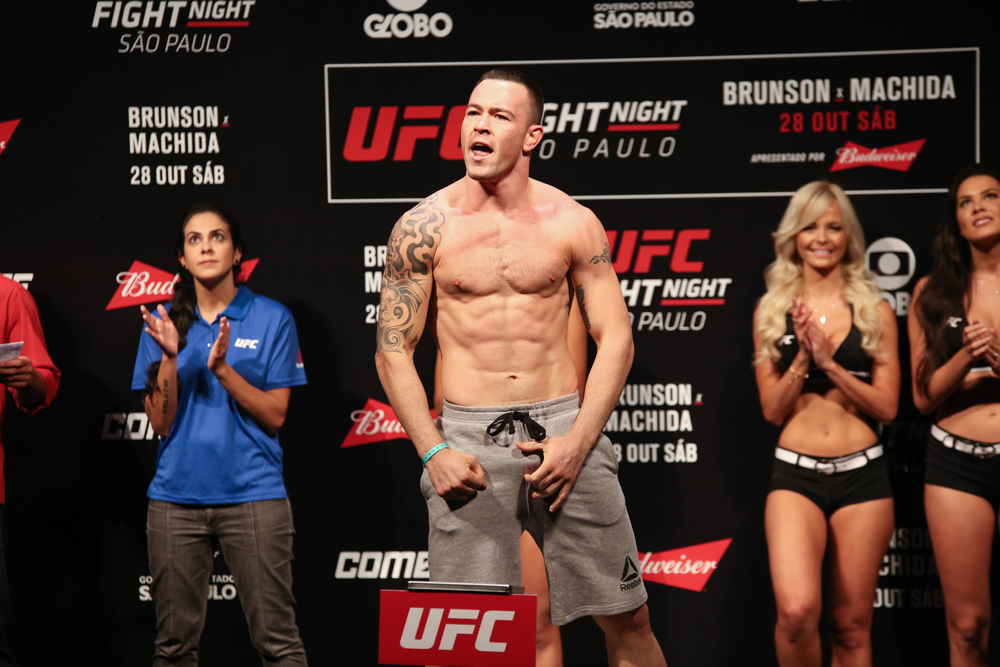
According to Andrew Richardson’s article for MMA Mania, Colby Covington currently feels more connected to RAF than to any visible UFC push, which makes the real question less about an official retirement and more about whether he has already drifted away from the sport’s main stage. The piece frames him as a ranked fighter whose energy seems to be going elsewhere, and that alone gives the story a strangely final tone.
The core idea is surprisingly simple. Covington is still attached to the UFC rankings, but the article suggests that his identity is no longer built around real Octagon relevance. The conversation seems to be shifting away from what his next meaningful fight might be and toward whether the division should stop treating him like an active factor altogether.
That is what gives the story some weight. There is no formal goodbye, no retirement speech, and no dramatic final declaration, yet the mood around Covington feels like a slow fade anyway. When a fighter becomes more associated with outside ventures than with actual matchups, the exit can happen in public long before anyone officially names it.
Read also: Verstappen mechanic exit adds to Red Bull uncertainty after Suzuka
Michael Bisping sees danger in Israel Adesanya fighting on
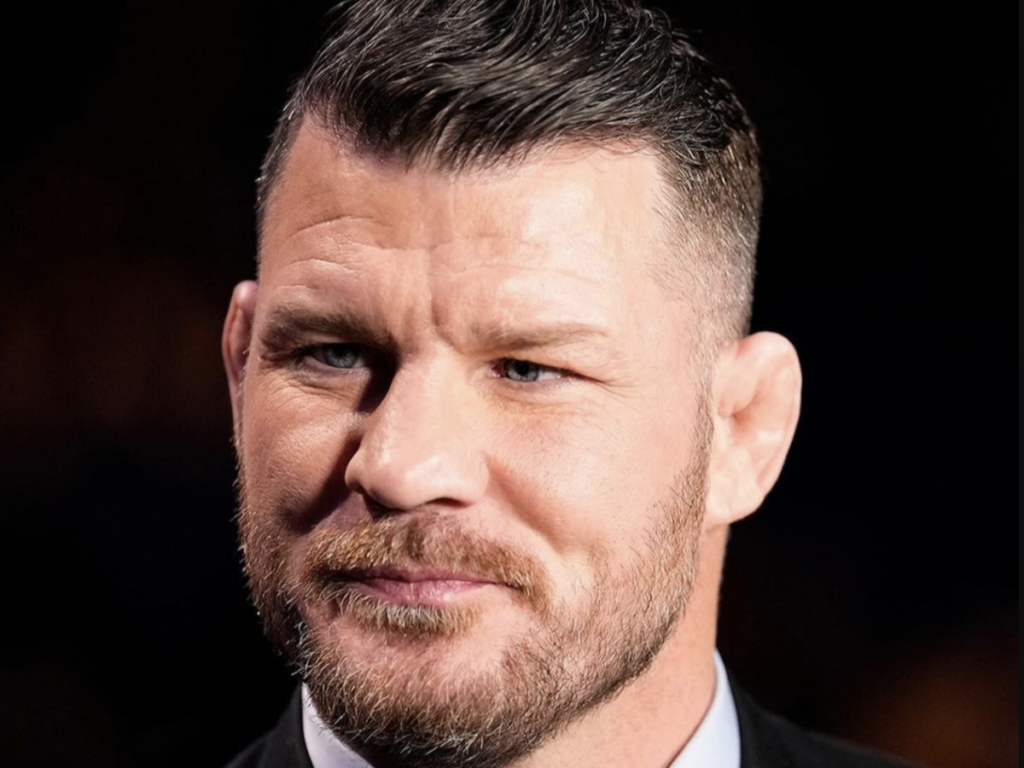
According to Bloody Elbow’s report, Michael Bisping is uneasy about Israel Adesanya continuing after his latest defeat, and the concern comes from a familiar fear in combat sports, that a great fighter can stay just long enough for the ending to become painful. The article follows the fallout from UFC Seattle, where Adesanya lost to Joe Pyfer and immediately became the center of another retirement debate.
Adesanya’s own response has only made the conversation more intense. In a post fight statement covered by BJPenn, he made it clear that he is not ready to walk away and that he still sees another run in himself. That tension, between outside concern and inner refusal, is what gives this story its emotional pull.
Bisping’s warning lands because it sounds less like criticism and more like a form of protective realism. Adesanya has already done enough to secure his legacy, so every extra fight now gets judged not only on whether he can still win, but on whether he is preserving or damaging the memory of who he was at his peak. That is why this story feels bigger than a routine reaction.
Arman Tsarukyan turned handcuffs into a message about control
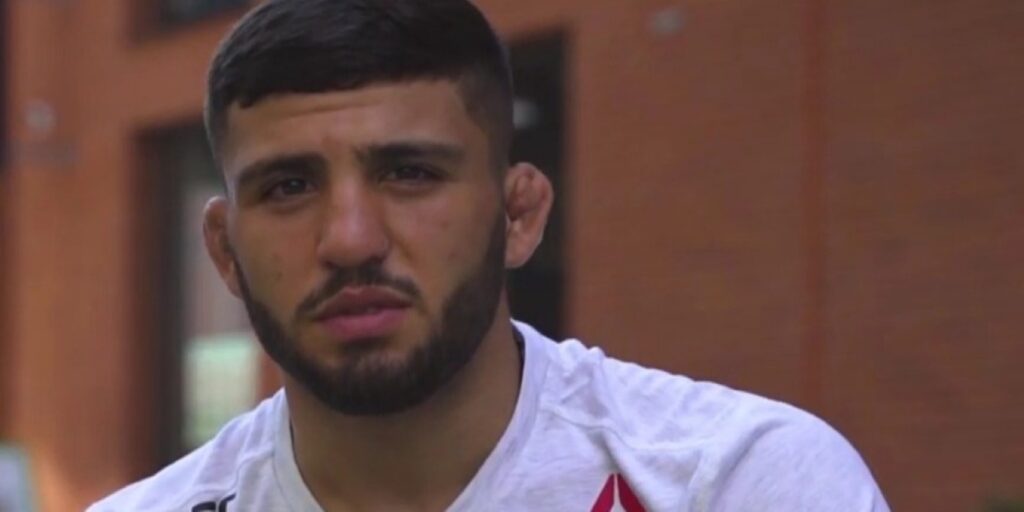
According to Bloody Elbow’s article, Arman Tsarukyan says the handcuffs he wore during his viral UFC 326 appearance were meant to show the UFC that he can behave himself. That explanation cuts against the first fan theory, which was that he was symbolizing frustration about being stuck without the fight he wants.
Read also: The Dodgers are already setting the pace, and this could be the year everything clicks
The context makes the image more interesting. Tsarukyan had already been under scrutiny after recent controversy, and reporting from BJPenn suggested he was not fully back in Dana White’s good graces despite being present at UFC 326. That makes the handcuff stunt feel less random and more like a deliberately theatrical attempt to reset the mood around him.
What makes the story linger is the contradiction at its center. Tsarukyan tried to project discipline by using an image associated with restraint, and that instantly made the whole moment open to interpretation. In a division where optics can affect momentum almost as much as results, even a small stunt can end up looking like a public negotiation with power.
Francis Ngannou sees a style trap waiting for Alex Pereira
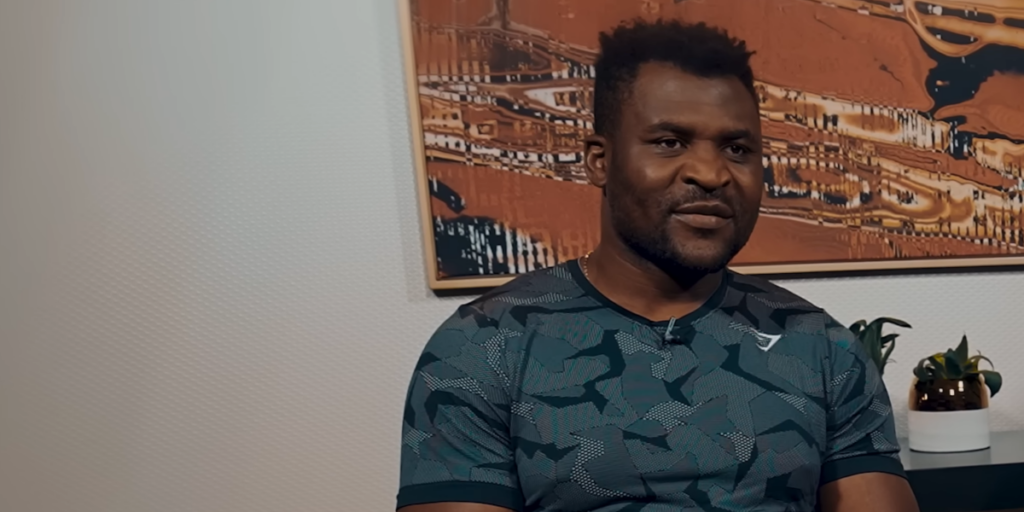
According to Jesse Holland’s piece for MMA Mania, Francis Ngannou believes Ciryl Gane is a very good stylistic matchup for Alex Pereira because Gane brings speed, movement, and range to a fight where Pereira may be the more dangerous puncher but not the more fluid athlete. The article is built around Ngannou’s view that Pereira could look stiff by comparison.
The wider setting raises the stakes. Pereira is moving to heavyweight in pursuit of another title, while Tom Aspinall is still recovering from eye surgery, which makes this moment feel less like a novelty and more like a genuine opening in the division. That gives Ngannou’s analysis more substance, because it turns a blockbuster fantasy fight into a serious technical question.
Read also: Donald Trump urged to take ‘urgent action’ over World Cup human rights warning
Pereira’s aura is built on calm power and frightening finishing ability, but the warning here is that none of that automatically solves a movement problem. If Gane can keep the fight long, mobile, and uncomfortable, the contest may become less about one huge shot and more about who controls the shape of the fight minute by minute.
Tom Aspinall may be caught in a fight outside the cage
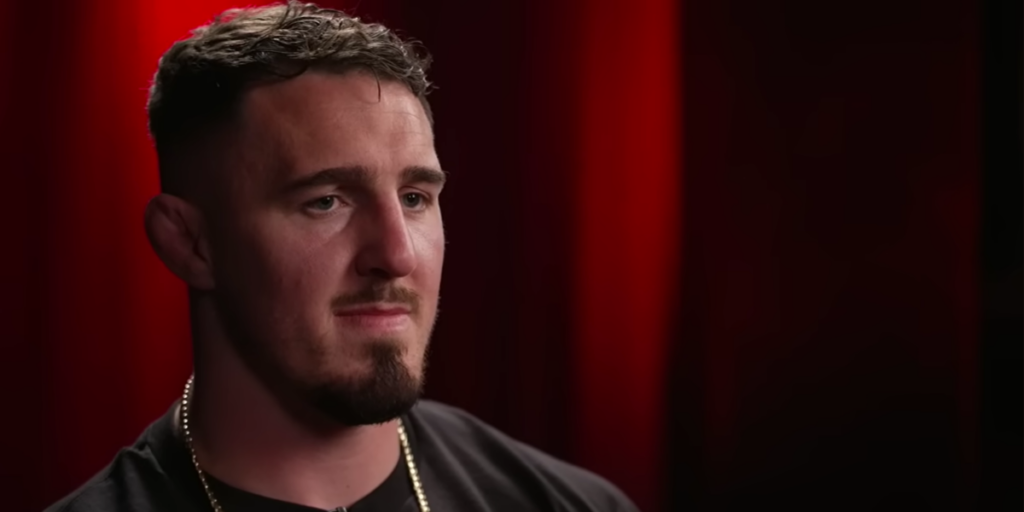
According to BJPenn’s report, Chael Sonnen believes Tom Aspinall risks becoming a pawn in the wider feud between Eddie Hearn and Dana White. The piece argues that Aspinall’s advisory connection with Matchroom may be about more than simple career planning and could instead be pulling him into a bigger political story.
Aspinall is already stuck in an awkward position. He remains sidelined while recovering from the damage suffered in the no contest with Ciryl Gane, and in the meantime Pereira and Gane are being lined up for an interim heavyweight title fight. Against that backdrop, Sonnen’s criticism becomes sharper, because it implies Aspinall’s image may be shifting while he is unable to reassert himself in competition.
That is what gives the story tension. Once a champion starts being discussed through alliances, influence, and leverage instead of timing, form, and recovery, the public narrative changes. Suddenly the fighter is no longer just an injured champion waiting to return, he becomes a symbol in a much larger tug of war.
Read also: Dodgers’ perfect start ends as Guardians quiet Los Angeles
Michael Chiesa’s farewell reopened Kevin Lee’s old frustrations
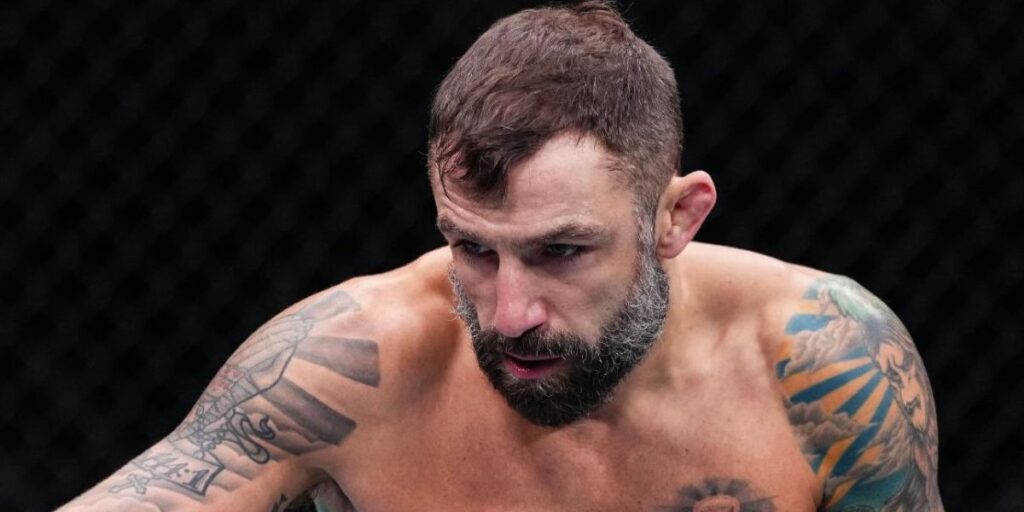
According to Bloody Elbow’s article, Michael Chiesa’s emotional send off in Seattle triggered a bitter response from Kevin Lee, who clearly felt the UFC celebrated Chiesa in a way it never celebrated him. The same frustration was expanded on in a follow up from BJPenn, where Lee framed the difference as personal and unfair.
Chiesa retired after submitting Niko Price in Seattle, and the hometown atmosphere gave the moment a storybook quality. Lee then contrasted that with his own UFC exit, arguing that he beat Chiesa in their biggest fight and still saw his own final appearance buried on an Apex prelim during the Covid period. What could have remained a warm farewell instantly became a comparison about who gets remembered properly.
Lee’s reaction lands because it is not really about one ceremony. It is about recognition, memory, and the feeling that the UFC chooses who gets the cinematic ending and who gets pushed quietly into the background. That is why the response carries more sting than a normal complaint, it turns Chiesa’s goodbye into a window on the promotion’s uneven emotional logic.
Bare knuckle exposed how little reputation can protect you
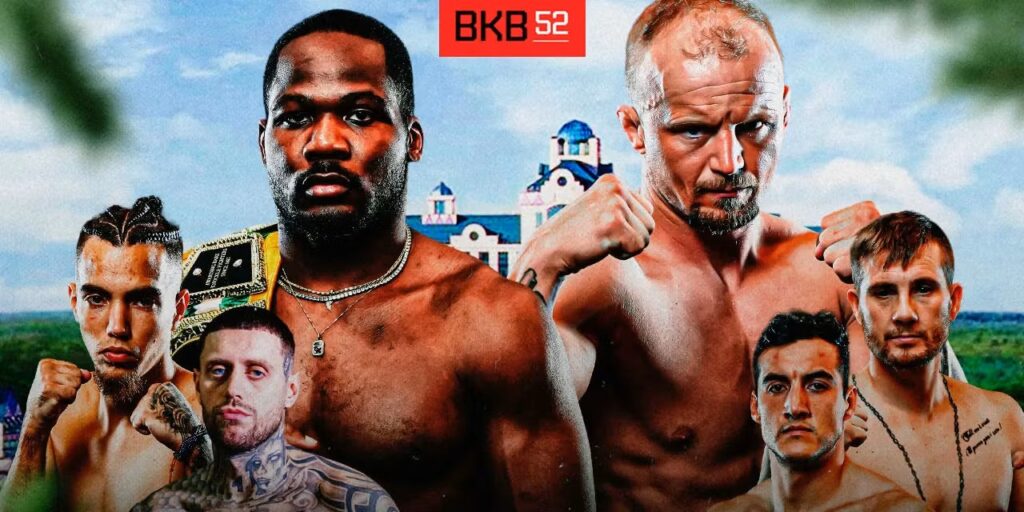
According to Jesse Holland’s MMA Mania article, a group of former UFC names tried to make noise at BKB 52 and instead got stopped by strikes. Jesse Ronson, Braxton Smith, Bubba McDaniel, and former Bellator fighter Ozzie Alvarez all entered the Trigon hoping to make an impression, and all four were finished.
Read also: Tottenham eye De Zerbi to rescue season after sacking Tudor
The event took place at Foxwoods Resort Casino in Mashantucket, Connecticut, and the article presents the outcome almost as a hard lesson in failed translation. MMA experience, name recognition, and previous exposure did not buy these fighters much protection once the pace and punishment of bare knuckle boxing took over. The final results read less like a takeover and more like a blunt correction.
That is what gives the story its bite. Bare knuckle is often sold as a natural landing place for former MMA veterans, but this event showed how quickly that idea can fall apart once the gloves are gone and the margin for error disappears. In that sense, the article is not just about defeat, it is about a crossover fantasy being stripped down in public.
Dana White is still speaking optimistically about Conor McGregor
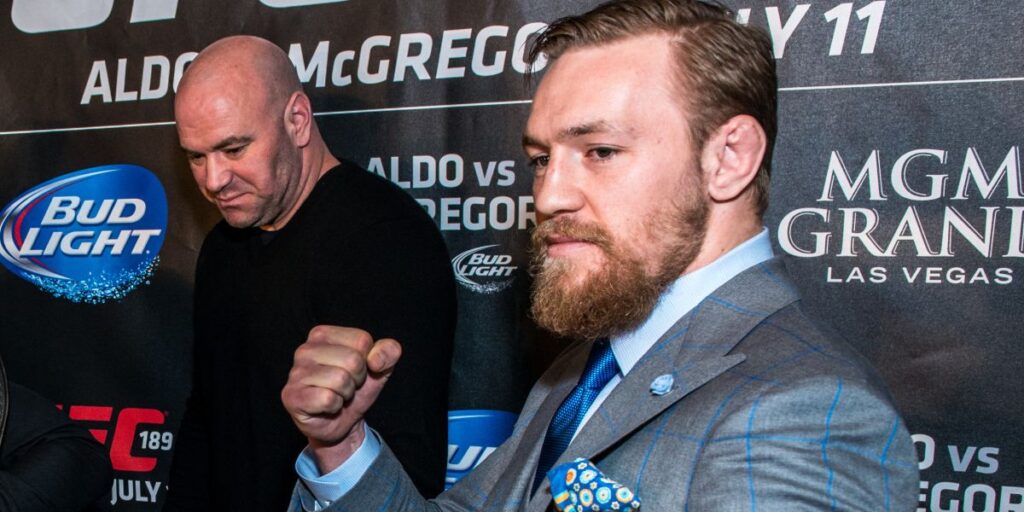
According to Harry Kettle’s article for BJPenn, Dana White remains optimistic about a Conor McGregor return and even suggested that July is still the preferred window, while also stressing that nothing is done and nothing is close to being done. That blend of hope and uncertainty is exactly what keeps the McGregor story alive.
McGregor is still one of the biggest names in combat sports, which means even the smallest update travels like major news. In White’s latest comments, there is still no confirmed opponent, although names such as Max Holloway and Jorge Masvidal continue to drift around the discussion. The machinery of anticipation is active, but the actual fight still feels far away.
At this stage, uncertainty has become part of the McGregor story itself. He no longer needs a signed fight agreement to dominate a news cycle, because the possibility of a return is enough to command attention on its own. That leaves every update feeling both important and strangely incomplete, which is exactly why the story never seems to fully cool down.
Maycee Barber’s first response made the knockout feel even more human

According to Alex Pattle’s report for The Independent, Maycee Barber told fans she was OK after her frightening loss to Alexa Grasso at UFC Seattle, even admitting that she did not remember much of what happened. The article focuses on both the violence of the finish and the emotional effect of seeing the footage spread everywhere afterward.
The finish is what made the moment so unsettling. Grasso knocked Barber unconscious with a left hand and then locked in a choke before the referee could fully intervene, while Barber remained on the canvas for a worrying stretch and Grasso immediately shifted from celebration to concern. In her follow up, Barber thanked the UFC and Grasso, said she had tried to stay off social media, and explained that the clips made the situation look even worse from the outside.
That is why the story kept lingering. It moved beyond the normal structure of win and loss and became something more personal and uncomfortable. Barber’s statement changed the tone from spectacle to vulnerability, and once that happened the conversation stopped being only about Grasso’s finish and started becoming about recovery, exposure, and how fighters are forced to watch their worst moments turn into public content.
Israel Adesanya answered the noise with a short refusal to quit
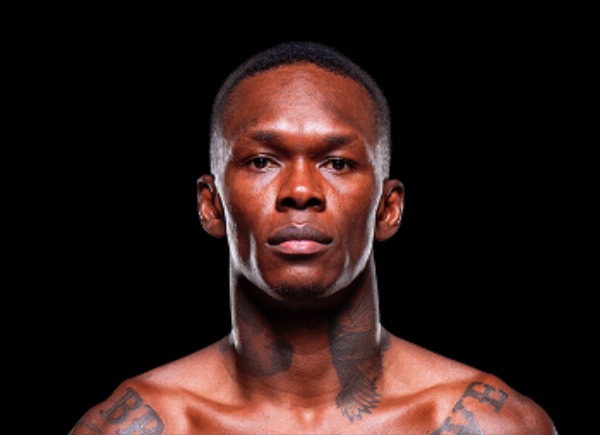
According to Harry Kettle’s BJPenn article, Israel Adesanya responded to his UFC Seattle loss by acknowledging how hard it is for people to watch him fall while also making it clear that it hurts him even more and that he intends to go again. The statement was brief, but it carried a clear refusal to accept the ending others were already writing for him.
The pressure around Adesanya has become intense because the losses are beginning to stack up against the memory of one of the sport’s most important champions. Many observers are now asking how much he has left, yet his own words push back against that final framing and insist that the story is not over. That keeps the whole debate open rather than settling anything.
What made the reaction interesting was not its length, but its tone. Adesanya did not sound detached, defensive, or resigned. He sounded bruised, fully aware of the noise around him, and still unwilling to give in to it. In a moment when many aging greats drift into vagueness, his message felt more like a compact act of resistance.